Introduction
In the modern digital landscape, few topics cause as much concern as Blue Light and Eye Health. We spend nearly 10 hours a day tethered to devices, leading to a silent epidemic of visual fatigue. But is blue light truly destroying our retinas, or is the reality more nuanced? Understanding the science of Blue Light and Eye Health is the first step toward reclaiming your digital wellness.
Managing the relationship between Blue Light and Eye Health is a core part of a wider strategy. Because blue light is the leading cause of modern visual fatigue, we have integrated these tips into our comprehensive Digital Eye Strain Hub. There, you can find how light protection fits into a complete vision recovery protocol
What is Blue Light?
Blue light is a high-energy visible (HEV) light in the 380–500 nanometer range of the spectrum. Unlike other colors of visible light, blue light penetrates deeper into the eye, reaching the retina.
There are two main sources:
- Natural Blue Light: Comes from the sun and plays an essential role in regulating circadian rhythm, mood, and alertness.
- Artificial Blue Light: Emitted by digital devices like smartphones, laptops, tablets, LED screens, and modern lighting.
While natural blue light is beneficial during the day, overexposure to artificial blue light, especially in the evening, can cause health and vision issues.
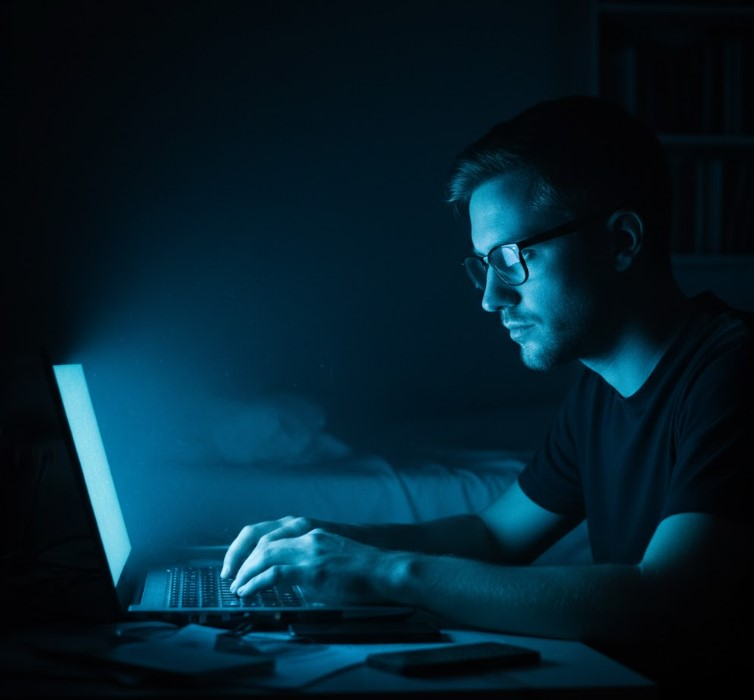
Immediate Impacts of Blue Light and Eye Health Disruption
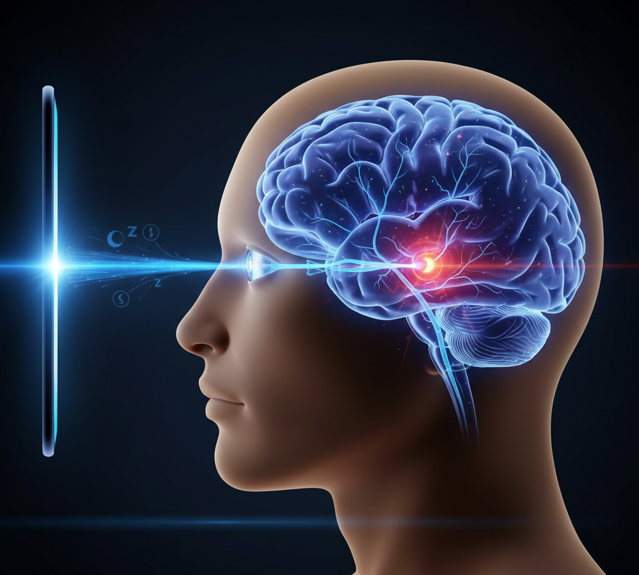
Artificial light from smartphones and laptops belongs to the High-Energy Visible (HEV) spectrum. Because our eyes are not designed to filter this light, it leads to two major issues:
- Digital Eye Strain: Constant flickering and high contrast force the ciliary muscles to overwork.
- Circadian Disruption: According to Harvard Health, blue light suppresses melatonin twice as much as other light sources.
This can lead to:
- Insomnia
- Poor sleep cycles
- Reduced REM sleep
- Increased daytime fatigue
3. Long-Term Vision Risks
Although research is ongoing, some studies suggest that long-term exposure to blue light could contribute to retinal stress and may increase the risk of macular degeneration over time.
Even though the evidence isn’t conclusive, the potential risks make preventive measures worthwhile.
Myths vs. Facts About Blue Light
- ❌ Myth: Blue light exposure from screens causes blindness.
✅ Fact: Normal screen exposure hasn’t been proven to cause blindness, but it may contribute to eye strain and discomfort. - ❌ Myth: Blue light glasses completely eliminate risk.
✅ Fact: Glasses help reduce strain, but lifestyle habits and screen hygiene are equally important. - ❌ Myth: Only office workers are at risk.
✅ Fact: Children, students, gamers, and seniors are just as vulnerable.
Strategies to Protect Yourself from Blue Light
1. Adjust Your Devices
- Use Night Shift (iOS), Night Light (Windows), or apps like f.lux.
- Reduce brightness and increase text size.
- Enable “dark mode” where possible.
2. Blue Light Glasses
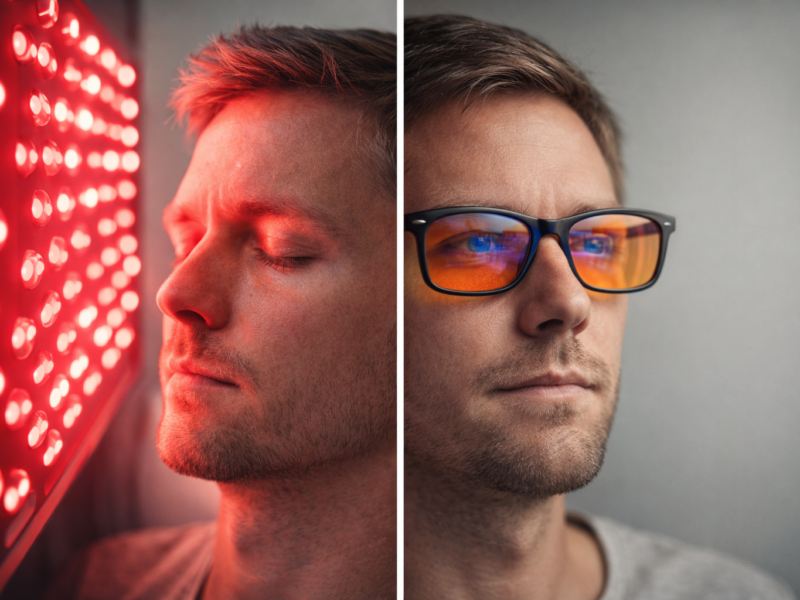
These specially coated lenses filter out a portion of harmful blue light. While they’re not a magic solution, they can reduce strain during long hours of screen time.

GUNNAR Blue Light Blocking Glasses
The only patented lens technology recommended by doctors to protect your Blue Light and Eye Health.
View on Amazon →3. Screen Filters
Physical filters for monitors, laptops, and smartphones provide an added layer of protection, blocking up to 50% of HEV light.
4. Optimize Lighting
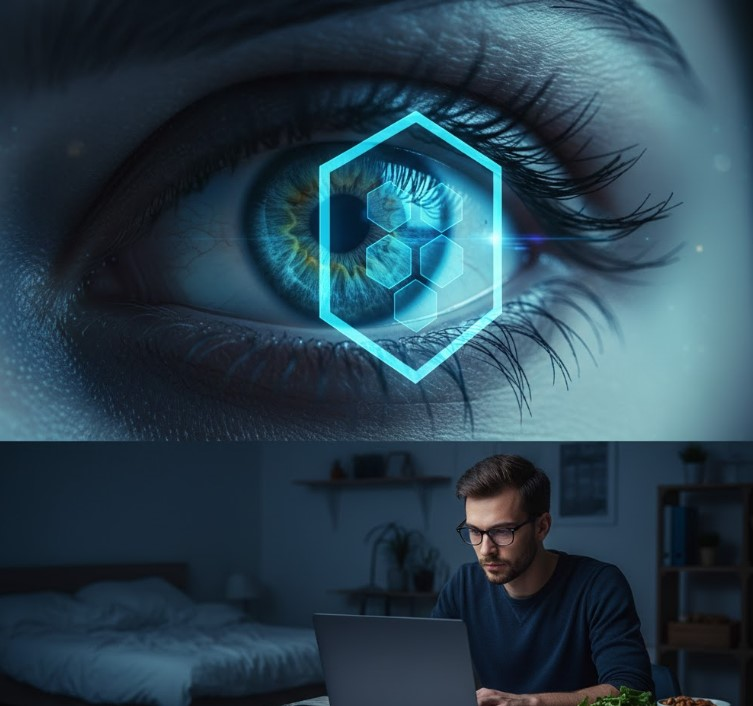
Avoid working in dark rooms with bright screens. Instead, maintain balanced ambient lighting to reduce eye strain.
5. Practice the 20-20-20 Rule
Every 20 minutes, look at something 20 feet away for at least 20 seconds. This relaxes the eye muscles and reduces strain.

6. Lifestyle & Nutrition
Certain nutrients support long-term eye health and resilience against blue light damage:
- Lutein & Zeaxanthin – found in leafy greens
- Omega-3 fatty acids – from fish and flaxseed
- Vitamin A & C – for retinal protection
7. Digital Detox
Schedule regular breaks away from screens. Screen-free meals, evening walks, and device curfews before bedtime all help restore balance.
Deepen Your Eye Health Knowledge:
Special Considerations for Different Groups
Children & Teens
- More sensitive to blue light
- Excessive exposure can lead to learning difficulties, fatigue, and poor sleep
- Recommendation: Parental screen-time limits and protective eyewear
Office Workers & Remote Employees
- 8–12 hours of daily screen exposure
- Risk of chronic digital eye strain
- Recommendation: Ergonomic setup + blue light filters
Gamers & Content Creators
- Extended, intense exposure
- Late-night gaming worsens sleep cycle disruption
- Recommendation: Glasses + screen filters + strict cut-off times
Seniors
- Pre-existing conditions like cataracts and macular degeneration make them more vulnerable
- Recommendation: Regular eye exams + protective measures
Future of Blue Light Protection
Technology continues to evolve:
- OLED and e-ink screens – emit less blue light than traditional LED screens.
- Low blue light monitors – now common in professional workplaces.
- Smart glasses – may integrate AI to dynamically filter harmful light.
Research is ongoing to separate fact from myth, but one thing is clear: screen habits will define the future of eye health.
Common Questions About Blue Light and Eye Health
Q1: Why is the connection between Blue Light and Eye Health so important for office workers?
Answer: The link between Blue Light and Eye Health is critical because office workers are exposed to artificial HEV light for 8+ hours daily. This constant exposure disrupts the tear film and strains the ciliary muscles, making Blue Light and Eye Health management the top priority for preventing long-term vision decline.
Q2: Can supplements specifically improve Blue Light and Eye Health?
Answer: Yes, internal nutrition is a pillar of Blue Light and Eye Health. Supplements containing Lutein and Zeaxanthin act as “internal blue light filters,” depositing pigment in the macula to protect your Blue Light and Eye Health from oxidative stress caused by digital screens.
Q3: Is the 20-20-20 rule enough to maintain Blue Light and Eye Health?
Answer: While the 20-20-20 rule is essential, it is only one part of maintaining Blue Light and Eye Health. To fully protect your vision, you should combine muscular breaks with physical barriers like blue light glasses to ensure total Blue Light and Eye Health protection throughout the day.
Q4: How does nighttime screen use affect Blue Light and Eye Health?
Answer: Nighttime exposure is the biggest threat to Blue Light and Eye Health because it suppresses melatonin production. To safeguard your Blue Light and Eye Health and your sleep cycle, it is vital to use software filters or amber-tinted glasses at least two hours before bed.
Q5: Are children more vulnerable when it comes to Blue Light and Eye Health?
Answer: Yes, children’s eyes have not fully developed the natural filters needed to protect their Blue Light and Eye Health. Therefore, monitoring their screen time and providing protective gear is a necessary step in preserving their Blue Light and Eye Health for the future.
Final Thoughts on Blue Light and Eye Health
Blue light is not inherently harmful — in fact, it’s essential for alertness and daily rhythm. However, overexposure from artificial screens, particularly at night, poses risks to vision, sleep, and overall well-being.
By combining protective tools like glasses and filters with healthy digital habits, you can enjoy technology while safeguarding your vision for the future.
👉 Your eyes are priceless — protect them today for a healthier tomorrow.
A Note from the Founder
"I started CVT because eye health is personal to me. After losing sight in my left eye due to a childhood injury and managing high intraocular pressure for decades, I’ve dedicated my life to finding the best ways to protect the vision we have. Every piece of advice on this site is researched with that same level of care and responsibility. Thank you for being here."