Introduction
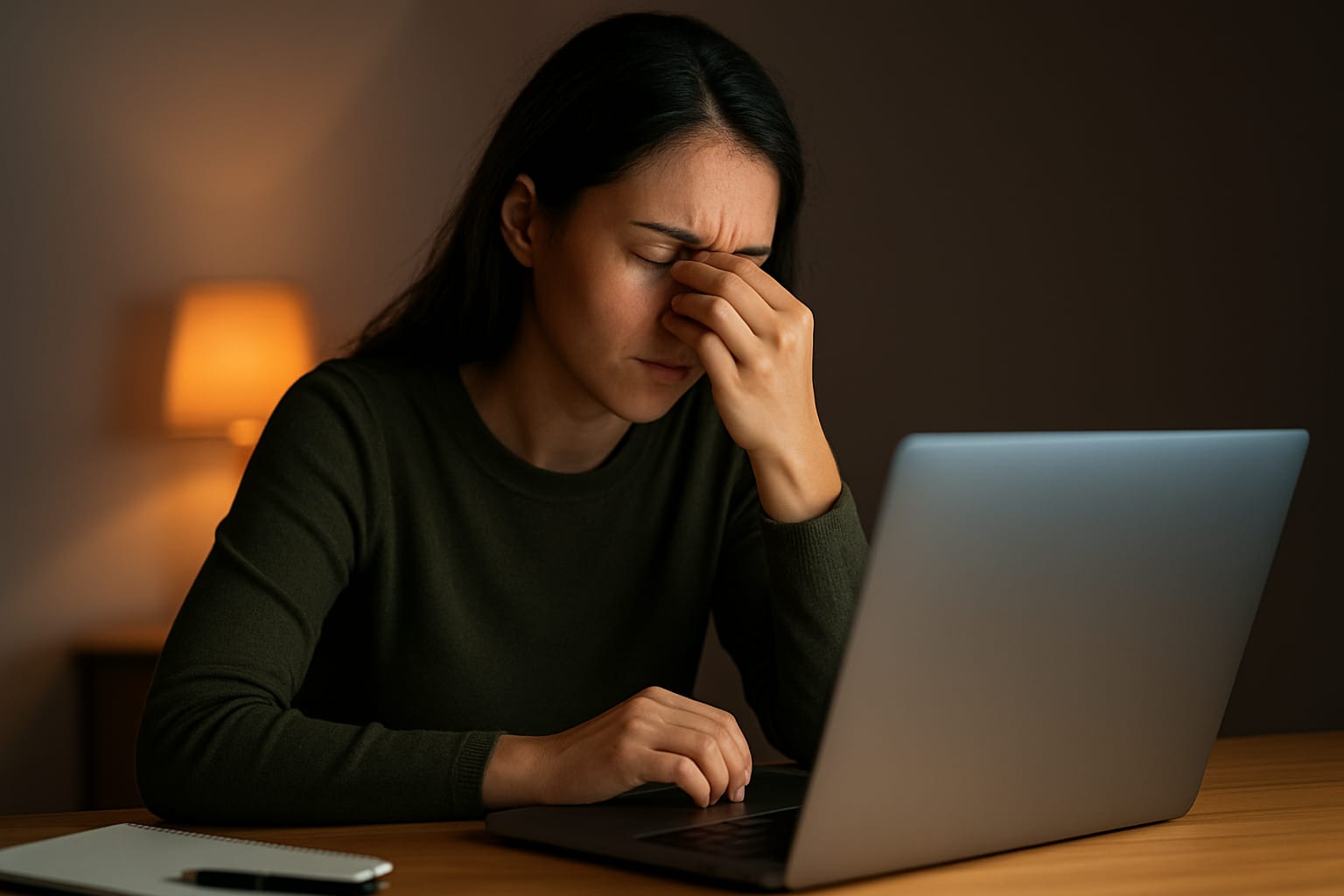
Stress and anxiety have become everyday realities for millions of people. From relentless work deadlines to the constant blue light of our digital devices, modern life drasticaly increases the pressure on both our minds and bodies. While the impact on mental health is well-documented, few people realize that their emotional state can be the direct cause of physical vision disturbances.
Can constant worry or prolonged pressure actually harm your sight? The answer is yes—the symptoms can range from minor twitching to serious long-term complications. Many people wonder, can stress and anxiety affect your eyesight in ways that go beyond simple fatigue; to discover how to optimize your visual performance against these lifestyle factors, explore our Vision Biohacking HUB.
Can Stress and Anxiety Affect Your Eyesight?
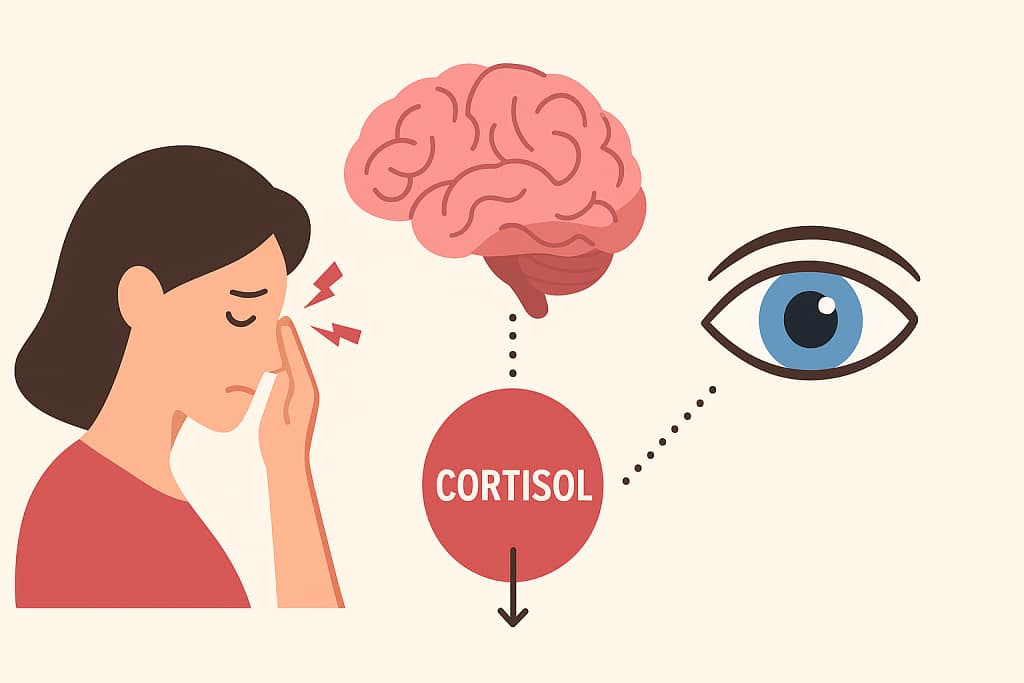
Stress triggers the release of cortisol, a hormone that prepares your body for “fight or flight.” While helpful in short bursts, chronic stress keeps cortisol levels elevated, which can harm blood vessels, nerves, and even your eyes.
High stress levels can lead to:
- Increased eye pressure (linked to glaucoma risk)
- Reduced blood flow to the eyes, causing blurred vision
- Dry eyes, due to hormonal changes in tear production
- Eye twitching and spasms (commonly linked to anxiety and fatigue)
Did You Know?
👉 People with chronic stress are 40% more likely to develop eye strain and vision fluctuations compared to those with healthy stress management habits.
5 Signs That Can Stress and Anxiety Affect Your Eyesight
When under stress, the body reacts in subtle ways that often manifest in the eyes. Some of the most frequent symptoms include:
- Blurry vision – sudden, temporary episodes caused by stress hormones disrupting focus
- Eye twitching (myokymia) – harmless but often triggered by anxiety, caffeine, and lack of rest

Pure Magnesium Glycinate
Stop eye twitching caused by stress. Magnesium helps relax ocular muscles and supports the nervous system when can stress and anxiety affect your eyesight becomes a concern.
- Light sensitivity (photophobia) – anxiety heightens nervous system responses, making eyes more sensitive
- Headaches and eye strain – tension headaches frequently radiate into the eyes
- Dry eyes – anxiety decreases blinking rate, worsening digital eye strain
If you’ve noticed these symptoms appearing during stressful periods, it may be a sign that your mental health is directly influencing your vision.
| Symptom | Cause | Severity |
| Eye Twitching | Nerve overstimulation | Mild / Temporary |
| Blurry Vision | Cortisol-induced focus shift | Moderate |
| Tunnel Vision | Adrenaline (Fight or Flight) | Acute / Panic-related |
| Increased Pressure | Chronic Cortisol elevation | High (Risk of Glaucoma) |
Anxiety and Vision Disturbances
While stress causes physical strain, anxiety can amplify perception of eye problems. People with anxiety disorders often report:
- Visual snow (tiny flickering dots across vision)
- Tunnel vision during panic attacks
- Floaters and flashes appearing more noticeable
- Difficulty focusing when anxious or overwhelmed
These symptoms are usually temporary, but if persistent, they should be checked by an eye doctor to rule out underlying conditions.
Chronic Risks: How Can Stress and Anxiety Affect Your Eyesight Long-Term?
Short-term stress-related eye symptoms are often reversible. However, long-term stress and anxiety may contribute to more serious conditions:
- Glaucoma – elevated cortisol may increase eye pressure
- Central serous chorioretinopathy (CSCR) – linked to stress, causes fluid buildup under the retina
- Worsening of dry eye syndrome
- Increased risk of macular degeneration progression
Chronic stress also weakens the immune system, making the eyes more vulnerable to infections and delayed healing. Research from the National Institute of Mental Health (NIMH) shows that chronic activation of the stress response can lead to physical changes in ocular blood flow.
Long-Term Risks of Chronic Stress on Vision
Short-term stress-related eye symptoms are often reversible. However, long-term stress and anxiety may contribute to more serious conditions:
- Glaucoma – elevated cortisol may increase eye pressure
- Central serous chorioretinopathy (CSCR) – linked to stress, causes fluid buildup under the retina
- Worsening of dry eye syndrome
- Increased risk of macular degeneration progression
Chronic stress also weakens the immune system, making the eyes more vulnerable to infections and delayed healing.
Prevention and Lifestyle Tips for Stress-Related Eye Issues
The good news: by managing stress effectively, you can significantly reduce its impact on your eyes.
Here are proven strategies:
- Practice the 20-20-20 rule – Every 20 minutes, look at something 20 feet away for 20 seconds.
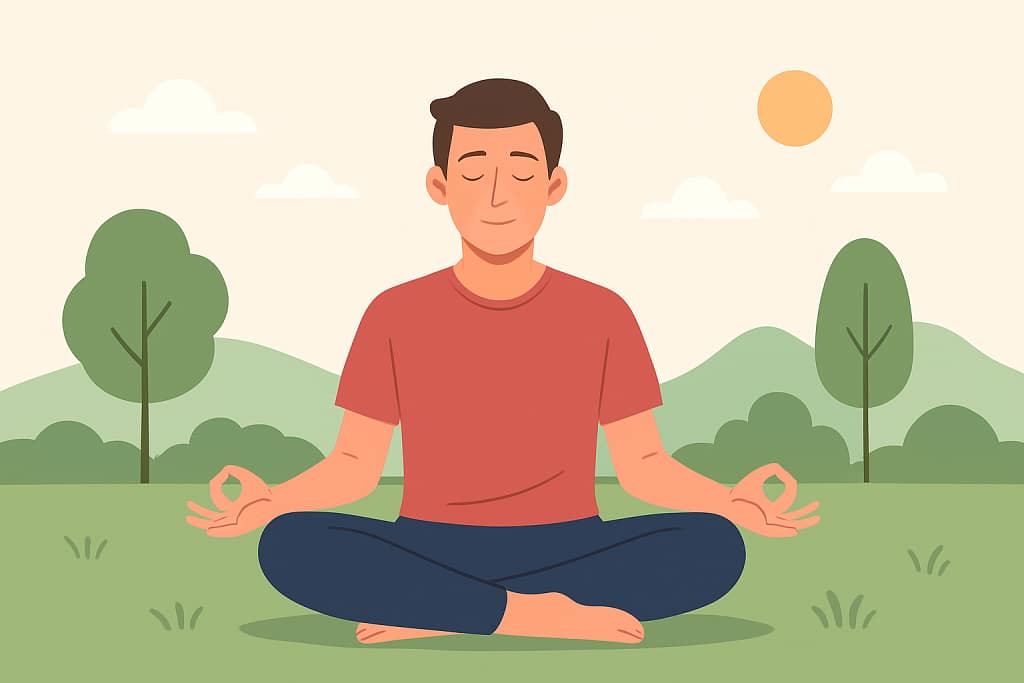
- Deep breathing and meditation – Reduces cortisol levels and improves blood flow to the eyes.
- Improve sleep quality – Lack of sleep intensifies eye strain and anxiety.
- Stay hydrated – Dehydration worsens dry eyes.
- Reduce screen time – Blue light exposure amplifies stress and fatigue.
- Exercise regularly – Boosts circulation and helps regulate hormones.
Did You Know?
👉 Just 10 minutes of mindful breathing a day can significantly reduce stress-related vision problems.
When to See a Doctor
Not every eye symptom is caused by stress. You should schedule an eye exam if you notice:
- Persistent blurry vision
- Sudden loss of vision or dark spots
- Severe eye pain
- Frequent flashes or floaters
Your doctor can determine whether the issue is stress-related or due to another medical condition.
🧠 Stress & Vision Check
Is your stress impacting your eyes?
Which hormone is primarily responsible for stress-related eye pressure?
FAQ Section
Q1: Exactly how can stress and anxiety affect your eyesight?
A1: High cortisol levels from stress can restrict blood flow to the retina and increase intraocular pressure. So, can stress and anxiety affect your eyesight? Yes, primarily by causing temporary blurriness and long-term strain.
Q2: Is blurry vision from anxiety permanent?
A2: Usually, it is not. Once the nervous system calms down, vision returns to normal. However, understanding can stress and anxiety affect your eyesight helps you realize when you need a lifestyle change to prevent chronic issues.
Q3: Can anxiety cause eye twitching?
A3: Absolutely. Anxiety leads to muscle fatigue and nerve excitability, which are the main triggers for eyelid spasms.
Conclusion
The link between stress, anxiety, and eyesight is stronger than many people realize. While occasional stress is unavoidable, chronic stress can contribute to both short-term vision disturbances and long-term eye health risks. As we have explored, the question isn’t just can stress and anxiety affect your eyesight, but rather how quickly you can implement changes to stop the cycle.
By combining stress management, lifestyle changes, and regular eye exams, you can protect not only your mental well-being but also your vision. Remember, your eyes often reflect your overall health — keeping them safe starts with taking care of your mind.
A Note from the Founder
"I started CVT because eye health is personal to me. After losing sight in my left eye due to a childhood injury and managing high intraocular pressure for decades, I’ve dedicated my life to finding the best ways to protect the vision we have. Every piece of advice on this site is researched with that same level of care and responsibility. Thank you for being here."

