

Introduction
Cold vs warm compress for eyes might seem like a simple home remedy—but choosing the right temperature at the right time can dramatically improve your eye comfort. Whether you’re dealing with dry eyes, swollen eyelids, allergies, styes, headaches, or Meibomian Gland Dysfunction (MGD), compress therapy is one of the most effective, science-backed ways to relieve symptoms naturally.
Yet most people use the wrong compress, use it at the wrong time, or apply it incorrectly, leading to poor results.
This guide breaks down everything you need to know:
- When to use warm compress
- When to use cold compress
- Exact temperatures
- Timing
- Step-by-step instructions
- Mistakes to avoid
- Photos showing what each compress should look like
- Affiliate product recommendations (safe + effective)
Let’s dive in.
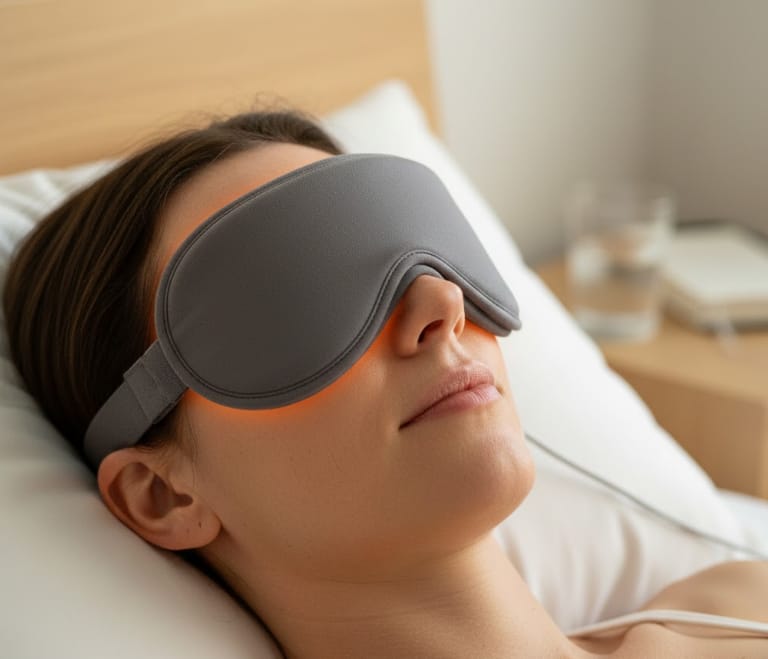
1. What Is a Warm Compress?
A warm compress uses gentle heat to:
- melt thick meibum (oil from Meibomian glands)
- improve circulation
- relax eye muscles
- reduce dryness and tension
Warm compress ideal temperature:
38–42°C (100–108°F)
Temperature above 45°C can cause burns or skin irritation. Mastering the balance between temperature treatments is a core skill for long-term ocular comfort. For a complete guide on how these home remedies fit into a professional care routine, visit our Vision Health HUB, where we simplify complex eye treatments into actionable daily habits.
2. What Is a Cold Compress?
A cold compress reduces inflammation and swelling. It works by:
- constricting blood vessels
- reducing redness and puffiness
- calming allergic reactions
- soothing irritated or burning eyes
3. Warm Compress Benefits
Warm compress is best for:
- Dry eyes
- MGD (Meibomian Gland Dysfunction)
- Blepharitis
- Styes
- Chalazia
- Eye fatigue
- Digital eye strain
How it helps:
a) Melts blocked meibum
The heat liquifies the oil, restoring a healthy tear film.
b) Improves eyelid hygiene
Great when combined with lid scrubs / tea tree cleansers.
c) Increases blood circulation
Helps healing in chronic eyelid inflammation.
d) Reduces discomfort from screens
Excellent for people with digital eye strain.
💤 The Ultimate Sleep Biohack: Smart Eye Massager

Combine heat therapy and gentle vibration to melt away digital strain and prepare your brain for deep REM sleep.
Improve My Sleep on Amazon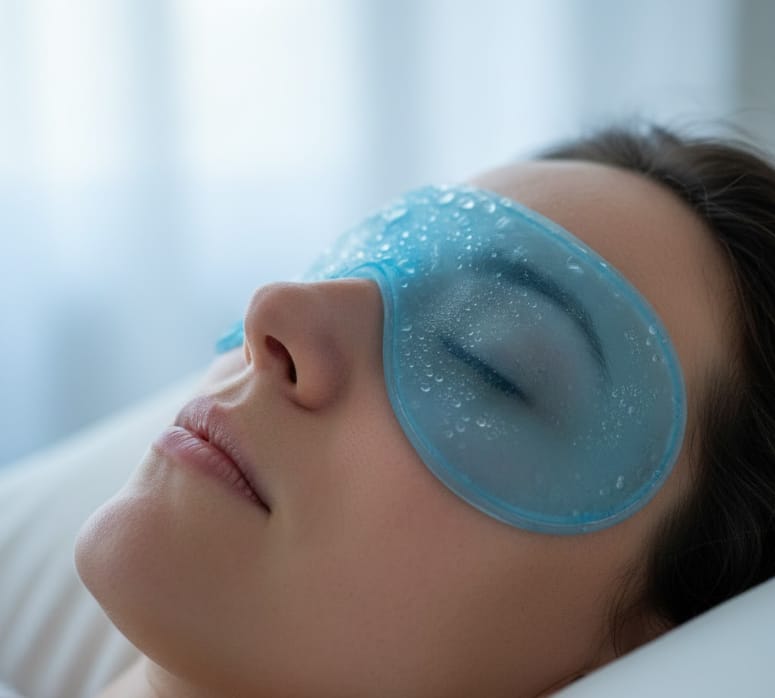
4. Cold Compress Benefits
Cold compress is best for:
- Allergies
- Redness
- Puffy eyelids
- Burning sensation
- Post-surgical swelling
- Migraines / tension headaches
- Eye irritation from wind or smoke
Reduces inflammation within minutes.
Chronic Dry Eye: Complete Guide
Blepharitis: Causes & Treatments
MGD: Best Fixes & Home Treatments
5. When to Use Warm Compress (Symptoms & Conditions)
Use warm compress when your eyes feel:
- dry
- sore
- gritty
- like “sandpaper”
- blurry vision that improves after blinking
- eyelids stuck in the morning
Warm compress directly treats MGD—the root cause of 80% of dry eye cases.
6. When to Use Cold Compress (Symptoms & Conditions)
Use cold compress when you experience:
- redness
- itching
- swelling
- burning
- tearing from allergies
- eye fatigue
- headache around eyes
- eyelid puffiness (morning or allergy-based)
7. Warm vs Cold: Quick Comparison Table
| Condition | Warm Compress | Cold Compress |
|---|---|---|
| Dry eyes | ✅ Best | ❌ Not ideal |
| Allergies | ❌ No | ✅ Best |
| Stye / chalazion | ✅ Yes | ❌ No |
| Swelling | ⚠️ Sometimes | ✅ Best |
| Blurry morning vision | ✅ Yes | ❌ No |
| Redness | ❌ No | ✅ Yes |
| Headaches | ⚠️ Maybe | ✅ Best |
If you find yourself reaching for a warm compress immediately after waking up, you should also check our guide on Dry Eyes in the Morning: Causes & Fast Relief Strategies to address the root cause of nighttime irritation.
8. How to Apply Each Compress Correctly
✔ Warm Compress Instructions
- Heat eye mask to 38–42°C
- Lie back and relax
- Place over both eyes
- Keep for 10–15 minutes
- Follow with lid massage
- Clean eyelids with tea tree cleanser
✔ Cold Compress Instructions
- Wrap cold pack in soft cloth
- Apply gently
- Hold for 5–10 minutes
- Do NOT press too hard
- Repeat 2–3× per day
9. Common Mistakes People Make
- Using compress that’s too hot or too cold
- Reheating masks incorrectly
- Skipping eyelid cleaning
- Not using compress long enough
- Using frozen cold compress directly on skin
- Using warm compress during allergies (wrong!)


10. Best Time of Day to Apply Compresses
Warm compress:
Evening or morning (best before bedtime)
Cold compress:
Any time when swelling/redness appears
Combo routine:
- Morning = cold
- Evening = warm
11. Combining Warm + Cold (Contrast Therapy)
This method improves both inflammation + oil flow.
For example:
- 10 min warm
- 2 min cold
- 5 min warm
Excellent for:
- chronic dry eyes
- eyelid inflammation
- heavy screen users
According to the American Academy of Ophthalmology, applying a warm compress is a clinical gold standard for liquefying clogged oils in the eyelids and improving tear quality.
15. FAQs
16. Conclusion
Q1: When should I choose a Cold vs Warm Compress for Eyes?
A: Deciding between a Cold vs Warm Compress for Eyes depends on your symptoms. Use a warm compress if you have dry eyes or a stye to melt blocked oils. Choose a cold compress if you are dealing with allergies, redness, or swelling, as the cold constricts blood vessels to provide instant relief.
Q2: Which is better for dry eye relief: Cold vs Warm Compress for Eyes?
A: For chronic dry eyes caused by MGD, the winner in the Cold vs Warm Compress for Eyes debate is the warm compress. Heat is essential to liquefy meibum (eye oils). Using a cold compress for dry eyes can actually make the condition worse by thickening the oils further.
Q3: Can I combine both Cold vs Warm Compress for Eyes in one day?
A: Yes, combining a Cold vs Warm Compress for Eyes is often recommended by specialists. You can use a cold compress in the morning to reduce puffiness and a warm compress in the evening to soothe digital eye strain and improve tear quality before sleep.
Q4: Are there any risks when using a Cold vs Warm Compress for Eyes?
A: The main risk with a Cold vs Warm Compress for Eyes is incorrect temperature. A warm compress that is too hot (above 45°C) can burn the delicate eyelid skin, while a cold compress applied directly from the freezer without a cloth can cause ice burns. Always test the temperature on your wrist first.
Q5: How long should I apply a Cold vs Warm Compress for Eyes?
A: For effective results with a Cold vs Warm Compress for Eyes, apply a warm compress for 10–15 minutes to ensure the heat reaches the glands. A cold compress is usually effective within 5–10 minutes for reducing inflammation and itching.
Choosing the right temperature can be the difference between eye relief and frustration. This guide explains when to use cold vs warm compress for eyes, how to apply them correctly, and which mistakes to avoid. By following these steps consistently, you can dramatically improve dry eye symptoms, swelling, irritation, fatigue, and overall eye comfort.
Warm compress = oil flow + long-term relief.
Cold compress = inflammation + fast soothing.
Use them correctly—and your eyes will thank you.
A Note from the Founder
"I started CVT because eye health is personal to me. After losing sight in my left eye due to a childhood injury and managing high intraocular pressure for decades, I’ve dedicated my life to finding the best ways to protect the vision we have. Every piece of advice on this site is researched with that same level of care and responsibility. Thank you for being here."

