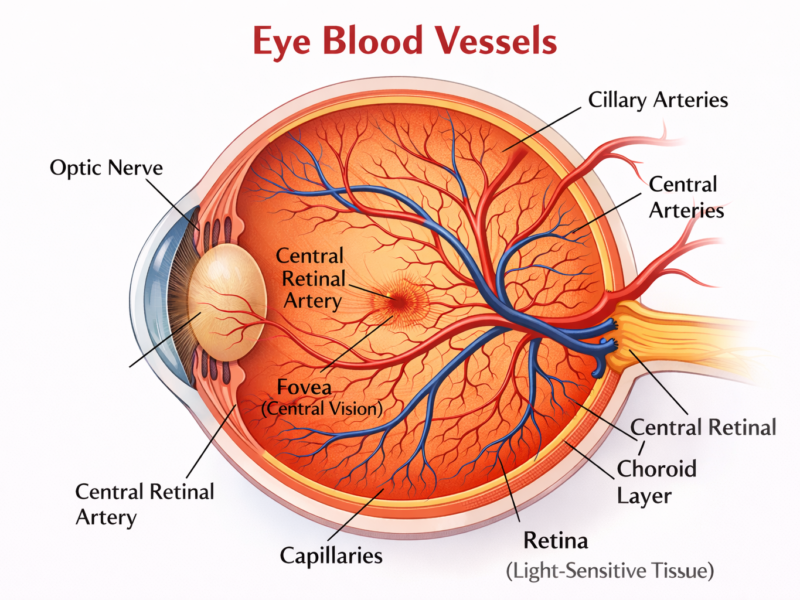

Introduction: What Is Conjunctivitis (Pink Eye)?
Conjunctivitis (Pink Eye) is one of the most common and contagious eye conditions worldwide. It occurs when the conjunctiva — the thin, transparent membrane covering the white part of your eye and the inside of your eyelids — becomes inflamed. This inflammation leads to redness, irritation, tearing, and sometimes thick discharge. While conjunctivitis can affect anyone, proper treatment and hygiene can prevent its spread and protect long-term eye health.
Types of Conjunctivitis
Understanding the type of conjunctivitis is crucial because the cause determines the treatment.
1. Viral Conjunctivitis
- Cause: Viruses such as adenovirus.
- Symptoms: Watery discharge, redness, light sensitivity, usually starts in one eye and spreads to the other.
- Contagious? Highly contagious.
2. Bacterial Conjunctivitis
Bacterial Conjunctivitis is an inflammation of the conjunctiva caused by a bacterial infection (most commonly Staphylococcus aureus, Streptococcus pneumoniae, or Haemophilus influenzae).
🔹 Symptoms:
- redness and swelling of the eye,
- thick yellow-green discharge, often causing eyelids to stick together in the morning,
- burning sensation and discomfort,
- tearing and blurred vision.
🔹 Transmission: easily spreads through direct contact (hands, towels, cosmetics).
🔹 Treatment: usually involves antibiotic eye drops or ointments, which clear the infection within 3–7 days.
🔹 Prevention: regular handwashing, avoiding sharing personal items, and maintaining proper eye hygiene.
| Feature | Viral | Bacterial | Allergic |
|---|---|---|---|
| Discharge | Watery | Thick / Yellow-Green | Clear / Stringy |
| Contagious? | Very High | Moderate (Contact) | No |
| Key Symptom | Cold-like symptoms | Eyelids stuck together | Intense Itching |
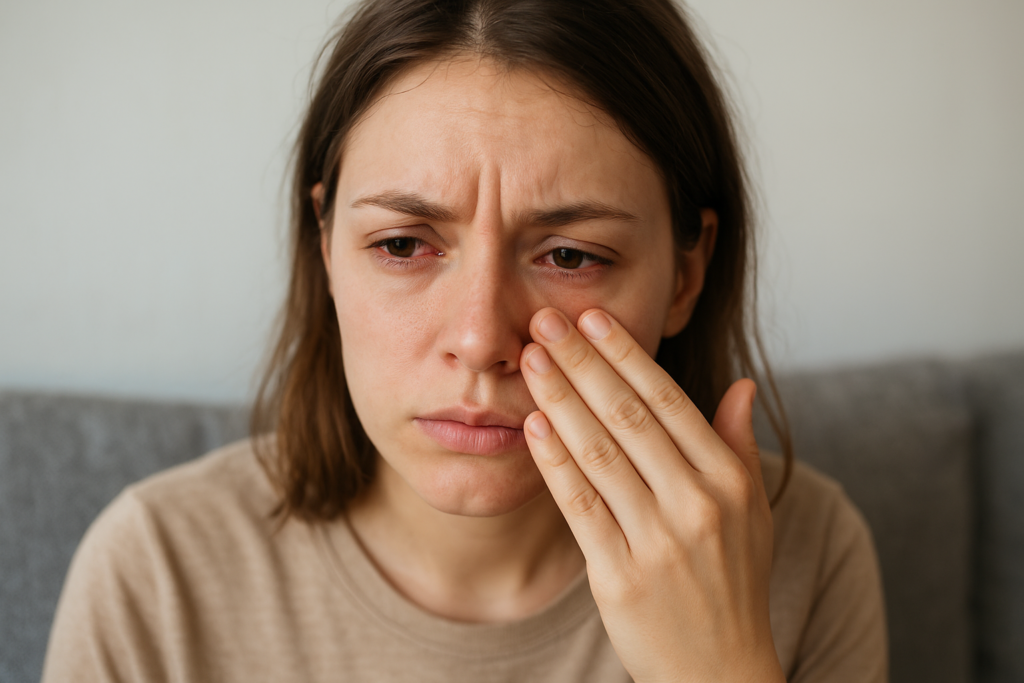
Common Causes of Conjunctivitis
- Viral infections
- Bacterial infections
- Seasonal or environmental allergies
- Contact lenses misuse
- Exposure to irritants like chlorine or smoke
- Secondary reaction to other eye conditions
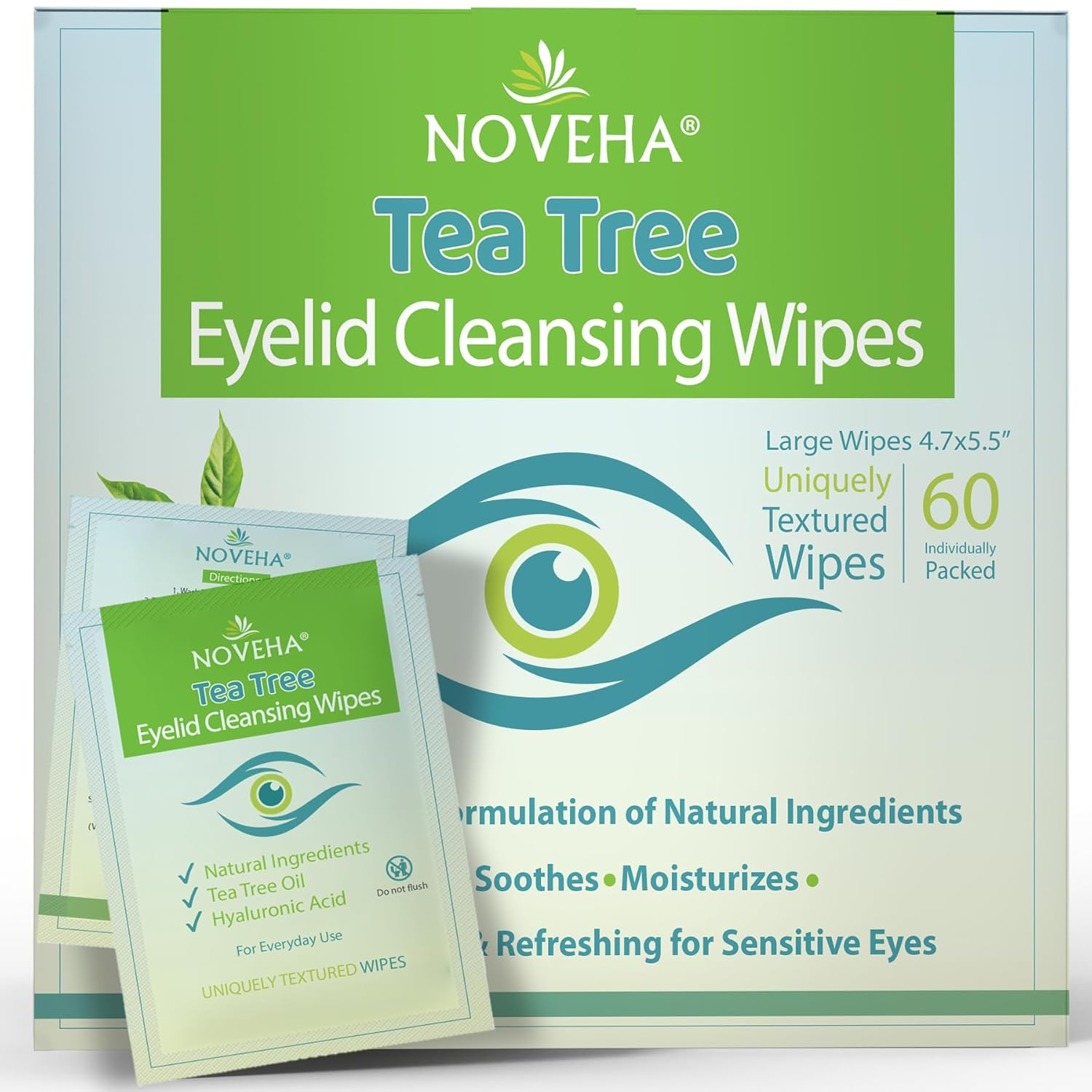
NOVEHATea Tree Oil Eyelid & Lash Wipes
Ideal for removing discharge and crusting caused by bacterial conjunctivitis. These pre-moistened pads help soothe irritation and maintain eyelid hygiene.
View on Amazon →According to the Mayo Clinic, viral pink eye is often associated with the same virus that causes the common cold and sore throat
Key Symptoms of Conjunctivitis
- Eye redness (pink or bloodshot appearance)
- Excess tearing
- Itching or burning sensation
- Gritty feeling in the eye
- Swollen eyelids
- Discharge (watery, mucous, or pus-like depending on cause)
- Sensitivity to light (photophobia)
If your symptoms include extreme dryness alongside redness, you might be dealing with more than an infection; read our guide on Dry Eyes: Causes and Treatment for a complete breakdown
Effective Treatments for Conjunctivitis
1. Viral Conjunctivitis
- Usually resolves within 1–2 weeks.
- Apply cool compresses.
- Use preservative-free artificial tears.
- Avoid sharing towels, cosmetics, or pillowcases.
2. Bacterial Conjunctivitis
- Requires antibiotic eye drops or ointment (prescribed by a doctor).
- Warm compresses can help with sticky discharge.
- Important: Complete the full antibiotic course.
3. Allergic Conjunctivitis
- Antihistamine or mast-cell stabilizer eye drops.
- Cold compresses to reduce swelling.
- Avoid allergens when possible.
Pink Eye Hygiene Checklist
Follow these steps to stop the infection from spreading.
Wash Hands: Scrub with soap for 20 seconds after touching your eyes or face.
Fresh Towels: Use a clean towel every time you wash. Never share towels with family.
Clean Eyelids: Gently remove crusting using a dedicated medical eyelid cleanser.
Pillowcases: Change your pillowcase every single night until symptoms clear.
No Contacts: Switch to glasses immediately and discard old lenses/cases.
4. Irritant Conjunctivitis
- Rinse eyes immediately with clean water.
- Avoid irritant source.
- Lubricating drops to soothe irritation.
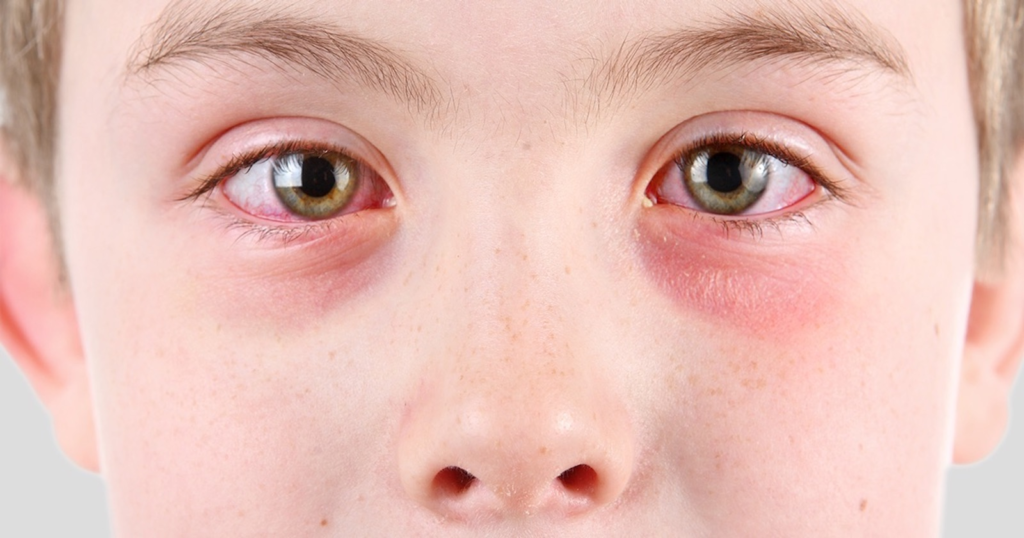
Prevention Strategies for Conjunctivitis
- Wash hands regularly.
- Avoid touching or rubbing eyes.
- Disinfect surfaces (especially in schools and offices).
- Replace or clean contact lenses properly.
- Avoid sharing personal items (makeup, towels).
Protecting your eyes from environmental factors is key, so don’t forget the importance of Blue Light and Screen Protection to reduce overall ocular stress.
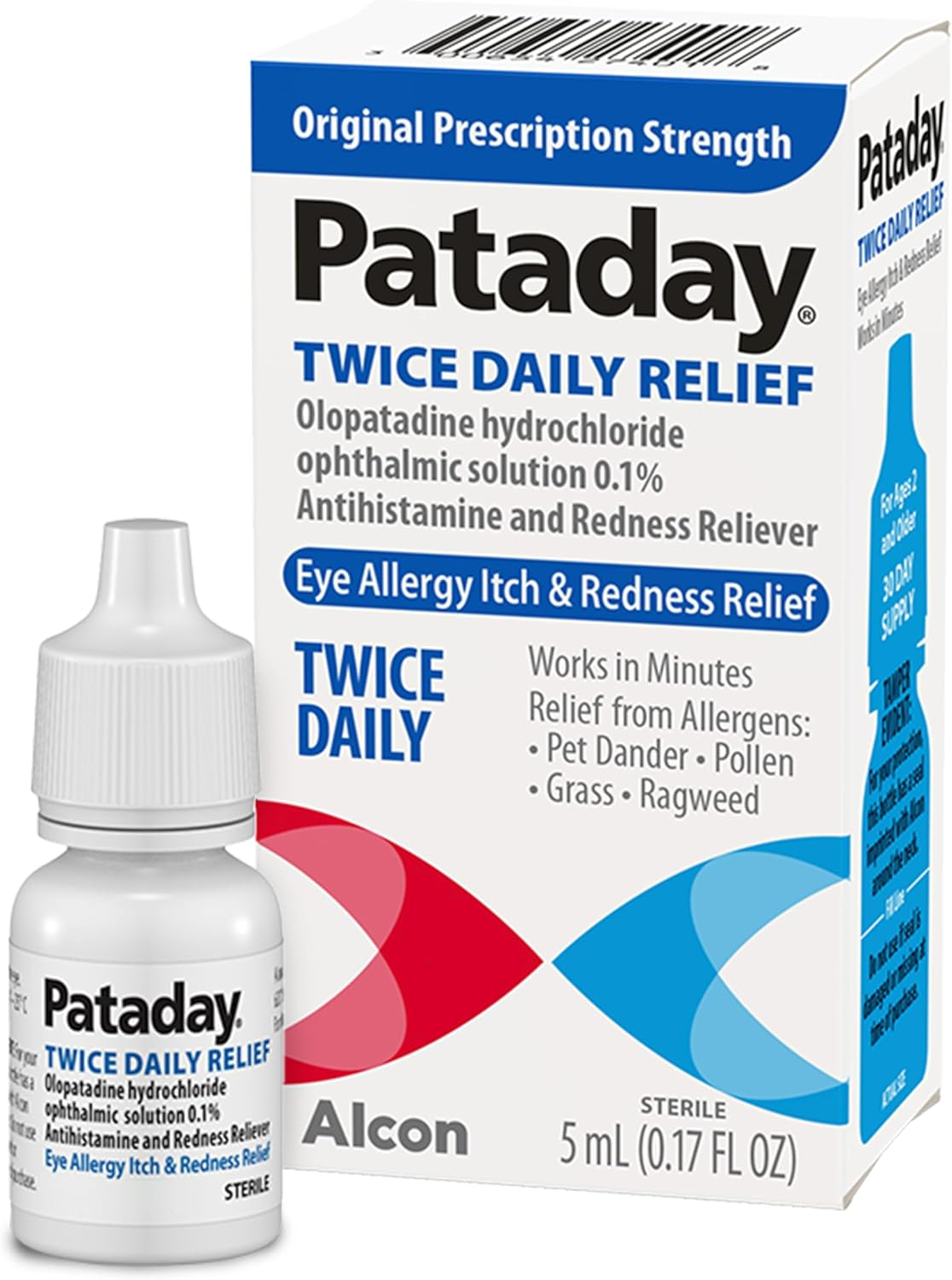
Pataday Once Daily Relief
The #1 doctor-prescribed allergy eye drop ingredient now available without a prescription. Works in minutes for up to 24 hours of itch relief.
View Price on Amazon →72-Hour Recovery Protocol
Follow this timeline to speed up healing.
Switch to glasses. Use cold compresses every 3 hours. Apply Pataday or Systane drops.
Disinfect your phone, keyboard, and doorknobs. Change pillowcases. Continue drops as prescribed.
Assess redness. If yellow discharge persists, consult a doctor for antibiotic drops immediately.
Frequently Asked Questions (FAQ)
Q: How long is pink eye contagious?
A: Viral and bacterial conjunctivitis are contagious as long as symptoms persist, usually 7–14 days.
Q: Can I wear contact lenses with conjunctivitis?
A: No. Remove lenses immediately and switch to glasses until the infection clears.
Q: Can pink eye cause permanent vision loss?
A: Most cases are mild and temporary, but untreated bacterial conjunctivitis can rarely lead to complications.
Q: Is pink eye more common in children or adults?
A: Children are more likely to catch contagious forms due to close contact in schools and daycares.
Q: What home remedies can help?
A: Cold compresses, artificial tears, and maintaining hygiene can ease discomfort. Avoid self-medicating with leftover antibiotics.
Key Takeaway
Conjunctivitis (pink eye) is common but highly manageable. By understanding its causes, symptoms, and treatments, you can prevent spread, ease discomfort, and protect your long-term vision health.
Remember: If you notice severe pain, sudden vision changes, or persistent symptoms beyond 2 weeks, consult an eye doctor immediately.