🌿 Introduction
If your eyes feel itchy, watery, or swollen during certain seasons, you are likely searching for effective eye allergies causes, symptoms, relief options. Allergic conjunctivitis affects millions, and while it isn’t usually a threat to your eyesight, the discomfort can disrupt your daily life, sleep, and productivity.
If your eyes feel itchy, watery, swollen, or irritated during certain seasons — or after exposure to dust, pets, or perfumes — you might be suffering from eye allergies (allergic conjunctivitis).
While they don’t threaten your vision, untreated allergies can severely affect daily comfort, sleep quality, and concentration.
👉 In this complete guide, you’ll learn what causes eye allergies, how to recognize them, and the most effective treatments — from doctor-approved drops to natural at-home remedies.
1. What Are Eye Allergies?
Eye allergies occur when your immune system overreacts to an outdoor or indoor allergen. According to the American Academy of Ophthalmology, when these substances hit your eye, specialized cells called mast cells release histamine, causing the classic red and itchy appearance.
There are two main types:
- Seasonal Allergic Conjunctivitis (SAC): triggered by pollen in spring and summer.
- Perennial Allergic Conjunctivitis (PAC): caused by year-round allergens such as dust mites and pets.
Did You Know? 💡 Up to 40% of people experience some form of eye allergy during their lifetime.
2. Causes of Eye Allergies
Understanding the causes is the first step toward prevention. Most flare-ups are triggered by:
- Outdoor Allergens: Pollen from trees, grass, and weeds.
- Indoor Allergens: Dust mites, pet dander, and mold.
- Irritants: Cigarette smoke, perfumes, and diesel exhaust.
Allergy Treatment Comparison
Quick guide to relief speeds and best uses
| Solution | Best For | Relief Speed |
|---|---|---|
| Antihistamine Drops | Stopping the itch | 5 – 15 Minutes |
| Artificial Tears | Washing out allergens | Instant |
| Cold Compresses | Reducing swelling | Instant |
| Oral Antihistamines | General allergy symptoms | 30 – 60 Minutes |
3. Symptoms of Eye Allergies
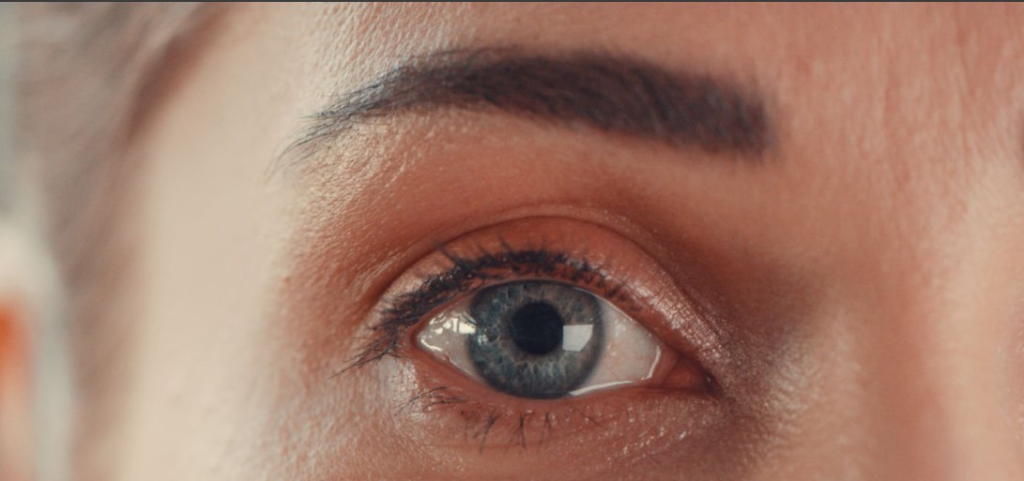
The symptoms can often be confused with an infection (Pink Eye). However, allergy symptoms typically include:
- Intense Itching: The hallmark of an allergy.
- Redness & Swelling: The whites of the eyes and eyelids appear puffy.
- Watery Discharge: Unlike infections, allergies usually produce clear, watery tears.
- Light Sensitivity: Feeling uncomfortable in bright environments.
Useful Tip: If only one eye is affected, it may not be allergies but an infection — consult an eye doctor.
💊 4. Effective Relief Strategies
🧴 A) Over-the-Counter Remedies
- Antihistamine eye drops – relieve itching and redness.
- Lubricating/artificial tears – flush allergens and hydrate the eye.
- Cold compresses – shrink blood vessels and calm irritation.
Use preservative-free formulations whenever possible to avoid rebound dryness.
💊 B) Prescription Medications
For persistent symptoms, your eye doctor may recommend:
- Mast-cell stabilizers (e.g., olopatadine) – prevent allergic reactions before they start.
- Corticosteroid drops – short-term use for severe inflammation.
- Immunotherapy (allergy shots) – reduces long-term sensitivity.
Finding lasting relief requires a combination of medical help and lifestyle changes. Over-the-counter antihistamine drops are the gold standard for immediate relief. They block the histamine receptors in your eye to stop the itch at its source.
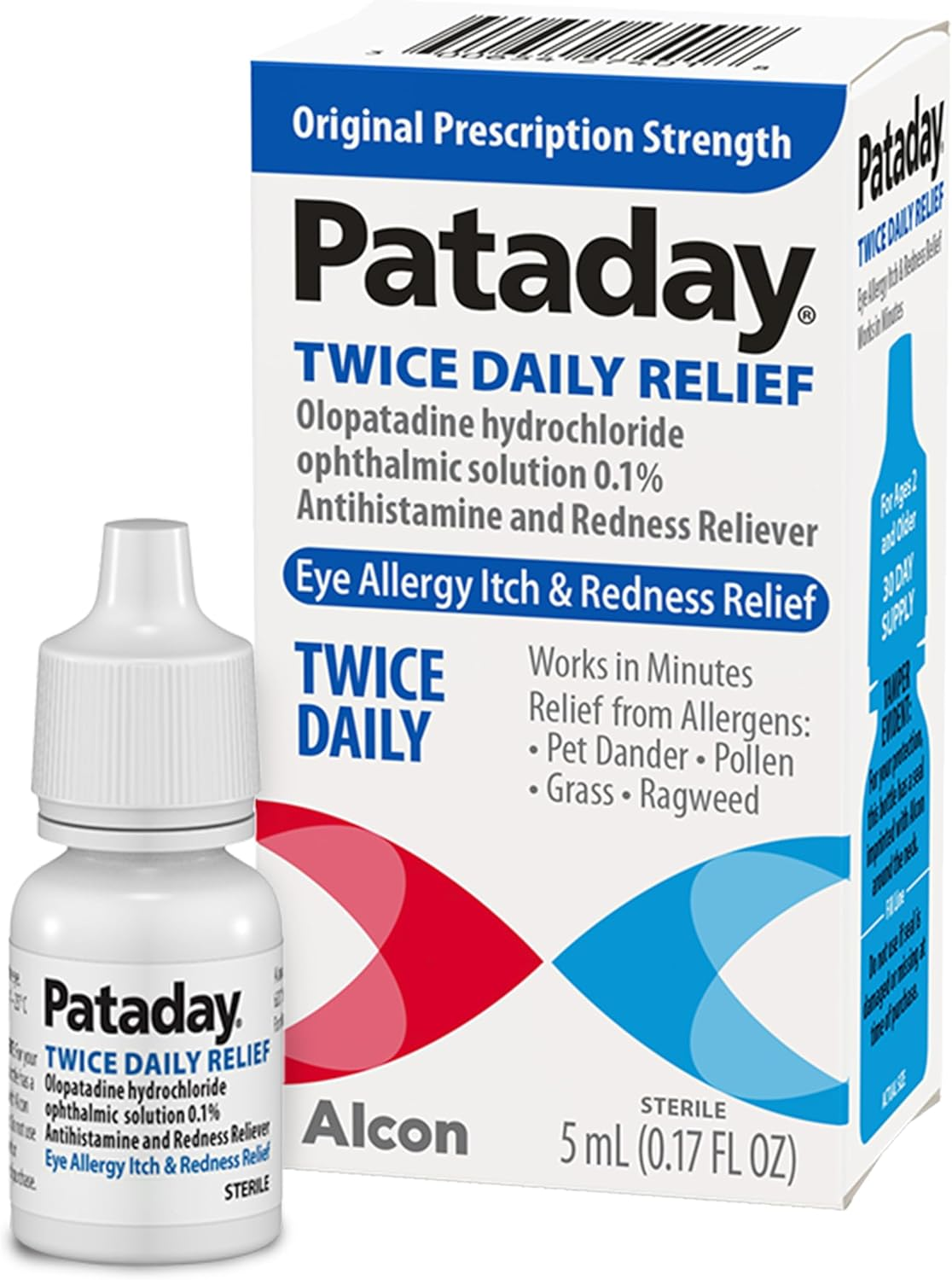 Fast Relief
Instant Relief Drops
Clinically proven to neutralize histamine and stop itching in under 5 minutes.
🏠 C) Lifestyle Adjustments
- Keep windows closed during high-pollen days.
- Use HEPA air purifiers and change filters regularly.
- Wash bedding weekly in hot water (60 °C).
- Shower and change clothes after outdoor activity.
- Avoid smoking and scented candles indoors.
These small adjustments can cut daily allergen exposure by more than 60 %.
🌼 5. Natural Remedies for Eye Allergies
Many people prefer gentle, holistic methods that complement medical care.
- Chamomile tea compresses: cool bags over closed eyes to reduce swelling.
- Cucumber slices: calm puffiness and cool irritated lids.
- Omega-3 supplements: decrease inflammation and dryness.
- Vitamin C-rich foods: oranges, strawberries, and bell peppers support immunity.
- Local honey: may desensitize your body to regional pollen (anecdotal evidence).
💡 Did You Know? Omega-3 fatty acids not only reduce inflammation but also relieve dry-eye syndrome, a condition often mistaken for allergies.

🛡️ 6. Prevention Tips
Consistent prevention reduces flare-ups dramatically:
- Shower after outdoor activities on high-pollen days.
- Wear wraparound sunglasses to block dust and pollen.
- Avoid rubbing your eyes — it spreads histamine and worsens redness.
- Keep indoor humidity below 50 % to stop mold growth.
- Replace HVAC filters every 2–3 months.
- Maintain a balanced diet rich in antioxidants to support your immune system.
❓ FAQ Section
Q1: Are eye allergies contagious?
A: No, unlike viral or bacterial conjunctivitis, eye allergies are not contagious.
Q2: Can eye allergies cause permanent vision loss?
A: No, but severe or untreated allergies may worsen dry eyes and cause discomfort.
Q3: What’s the fastest way to relieve eye allergy symptoms?
A: Antihistamine drops combined with cold compresses provide quick relief.
Q4: Can children develop eye allergies?
A: Yes, eye allergies are common in children, especially those with asthma or eczema.
Q5: Should I stop wearing contact lenses if I have eye allergies?
A: Yes, during flare-ups you should switch to glasses until symptoms subside.
✅ Key Takeaway
Navigating eye allergies causes, symptoms, relief doesn’t have to be a struggle. By identifying your triggers and keeping the right treatments on hand, you can maintain clear and comfortable vision all year round. Eye allergies are uncomfortable but manageable. By combining medical treatment, home remedies, and prevention strategies, you can enjoy clearer, healthier, and more comfortable eyes.