

Introduction
An eye pressure headache is a deeply uncomfortable sensation that feels like tension, fullness, or pain behind or around the eyes. Many people describe it as pressure building inside the skull — especially after screen use, poor sleep, sinus congestion, or stress. While often harmless, recurring eye pressure headaches can signal underlying eye strain, sinus issues, migraines, or even vision problems that shouldn’t be ignored.
In this complete guide, you’ll learn exactly what causes eye pressure headaches, how to tell them apart from migraines or sinus pain, and what actually works to relieve them — naturally and medically.
What Is an Eye Pressure Headache? (Deep Dive into the Symptom)
An eye pressure headache is not a formal medical diagnosis, but a symptom pattern commonly associated with muscular, nervous, and inflammatory tension around the orbital cavity.
Unlike sharp headaches, eye pressure headaches feel dull, heavy, squeezing, or like a deep throbbing fullness, often worsening with screen time, bright lights, or eye movement. Crucially, the pain you feel is almost never the result of dangerously high Intraocular Pressure (IOP), which is the actual physical pressure inside the eyeball (the silent threat of most common glaucoma). Instead, the pain is referred from overworked muscles, inflamed sinuses, or cervical tension.
An eye pressure headache symptom pattern commonly associated with:
- digital eye strain
- sinus congestion
- migraines
- dry eye disease
- uncorrected vision problems
Unlike sharp headaches, eye pressure headaches feel dull, heavy, squeezing, often worsening with screen time or eye movement.
10 Common Causes of Eye Pressure Headache
Understanding the source of the pressure is the first step to effective treatment.
1. Digital Eye Strain (The Leading Contributor)
Staring at screens reduces your natural blink rate by up to 60%, leading to the rapid evaporation of the tear film and overloading the intrinsic eye muscles (ciliary muscles).
- Mechanism: Prolonged focus and reduced blinking destabilize the tear film and force the ciliary muscles to remain contracted, triggering referred pain and a feeling of pressure.
- Signs: Pressure behind eyes, blurred vision, significant relief after closing eyes, and the pain typically peaks late in the day.
2. Sinus Congestion & Inflammation
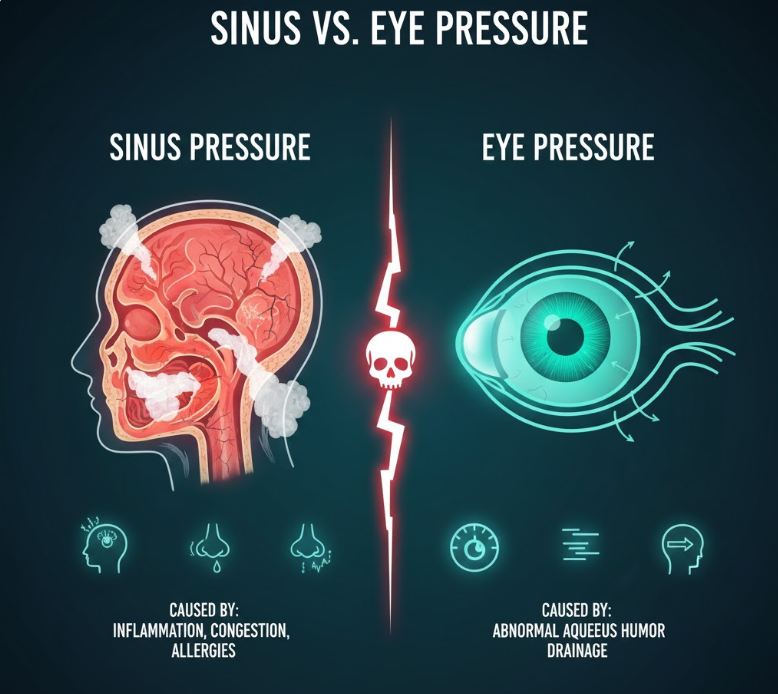
Inflamed sinuses, particularly the frontal and ethmoid sinuses located near the eye socket (orbital cavity), can swell and press against the surrounding structures, creating a direct sensation of pressure and pain.
- Mechanism: Inflammation restricts the flow of mucus, causing pressure to build up inside the cavities.
- Clue: The pain and pressure often worsen significantly when bending forward or lying down, due to gravity and changes in fluid drainage.
3. Dry Eye Disease (The Nerve Irritation Loop)
Chronic dry eyes trigger constant irritation of the surface nerves (corneal nerves). This repeated stimulation activates pain pathways that the brain interprets not just as dryness or grittiness, but as deep pressure or headache pain.
- Mechanism: Poor tear quality leads to friction on the cornea, triggering nerve signals that become sensitized over time, linking chronic dry eye directly to ocular tension. Identifying the specific trigger for your discomfort is essential for choosing the right treatment. For a categorized breakdown of how pressure relates to other warning signs like redness, twitching, or blurred vision, visit our Eye Symptoms & Relief HUB—your comprehensive library for understanding and neutralizing ocular distress.
4. Uncorrected Vision Problems & Presbyopia
Astigmatism, slight farsightedness (hyperopia), or outdated prescriptions for presbyopia (age-related near vision loss) force the eyes to work harder than they should.
- Mechanism: The eyes constantly strain to achieve clear focus, resulting in muscle fatigue around the orbits and temples.
5. Migraines, Tension Headaches, and Ocular Migraine
Eye pressure headaches are often confused with the onset of classic migraines or tension headaches, which frequently involve referred pain to the eye area.
- Ocular Migraine (Migraine Aura): This often starts with temporary, dramatic visual disturbances (zigzag lines, blind spots) and can be followed by a deep pressure sensation in one eye before the actual headache begins, making it easily mistaken for a vision problem.
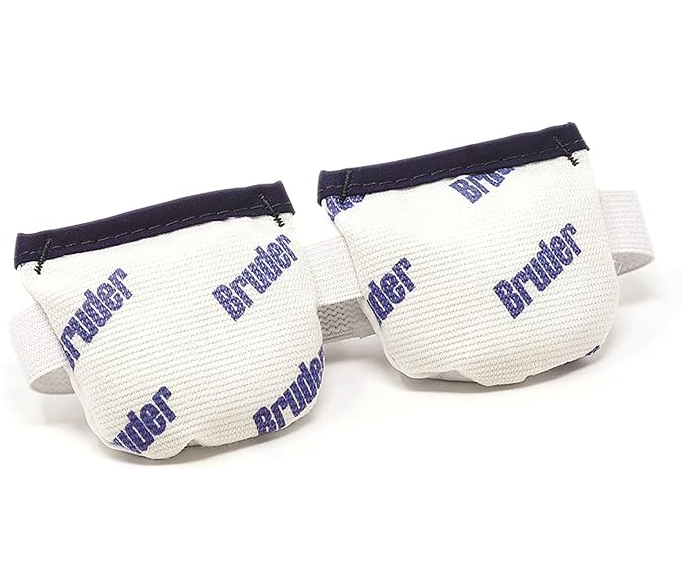
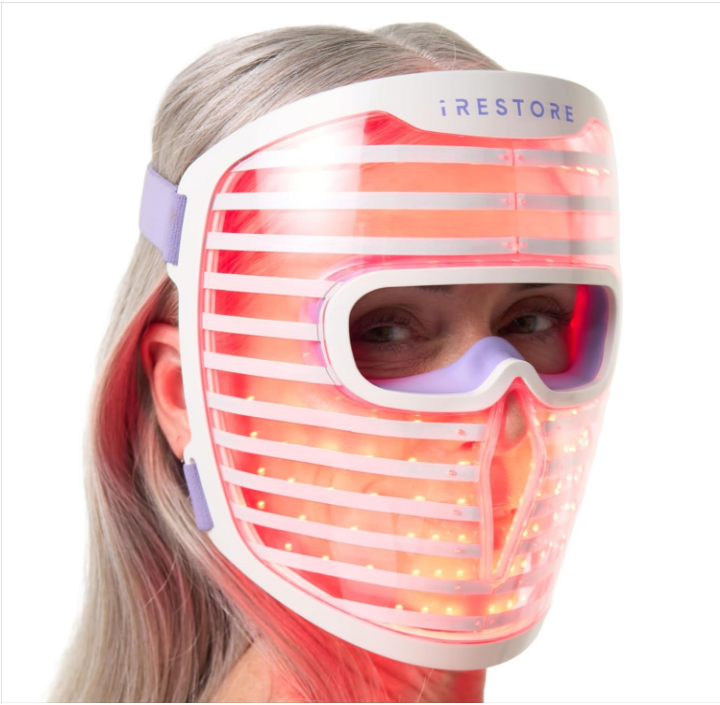
Stop The Pressure: Advanced Eye Duo
Combine clinical heat therapy with professional Red Light repair for maximum relief.
6. Poor Lighting & Screen Glare
Working in environments with high contrast (dark room, bright screen) or excessive glare forces the pupil to constantly over-adjust.
- Mechanism: The continuous overactivity of the iris muscles to control light entry leads to muscle fatigue and headache referral.
7. Sleep Deprivation (Disrupting Repair)
Sleep is the crucial time for ocular surface repair and systemic pain modulation.
- Mechanism: Chronic lack of restorative sleep disrupts the body’s ability to repair micro-damage and elevate systemic inflammatory markers, making the body, and the eyes, more sensitive to pain and pressure.
8. Dehydration
Low systemic fluid levels directly impact the quantity and quality of tear film.
- Mechanism: Reduced tear volume means increased friction on the corneal surface (leading to Dry Eye Cause #3) and increased nerve sensitivity.
9. Stress & TMJ (Jaw Clenching)
Emotional or physical stress often manifests as chronic jaw clenching (TMJ) and neck/shoulder tension.
- Mechanism: The powerful muscles in the jaw and temple are connected. Tension radiates from these clenching points, causing pressure that wraps around the head and concentrates behind the eyes.
10. Cervicogenic Headaches (The Neck-Eye Connection)
This is a frequently missed cause, highly relevant for screen workers. Poor posture—specifically looking down or forward for long periods—stresses the upper cervical spine (neck).
- Mechanism: Nerves originating in the upper neck (C1-C3) connect to the trigeminal nerve, which supplies sensation to the face and eyes. Tension in the neck muscles can irritate these nerves, projecting pain and pressure directly behind the eye.
Differential Diagnosis: When is Eye Pressure Serious?
While most eye pressure headaches are benign, it is absolutely essential to distinguish muscular strain from serious ocular conditions.
🚨 Eye Pressure Headache vs. Glaucoma (The Crucial Distinction)
The pain you feel behind your eye is almost certainly not chronic open-angle glaucoma.
| Common Condition Eye Pressure Headache | Medical Concern Glaucoma (POAG) | |
|---|---|---|
| Sensation | Dull ache, squeezing, or rhythmic throbbing. | None. It is the “silent thief” — asymptomatic until vision is lost. |
| Location | Eye socket (orbit), temple, or forehead. | Affects the internal optic nerve; not physically felt. |
| Trigger | Screens, stress, sinus issues, or poor sleep. | Chronic disease progression; no immediate daily trigger. |
|
🚨
CRITICAL EXCEPTION: Acute Angle-Closure Glaucoma
Unlike the silent version, Acute Glaucoma causes sudden, excruciating pain, nausea, and blurred vision. This is a True Medical Emergency — seek help immediately. |
||
Warning Signs: When to Seek Urgent Medical Care
Seek immediate medical evaluation if your eye pressure headache is accompanied by any of the following:
- Sudden severe, excruciating pain (especially in one eye).
- Vision loss or significant, rapid blurring that does not resolve.
- Severe eye redness combined with pain.
- Nausea, vomiting, or halos around lights (potential Acute Glaucoma).
- Eye pressure combined with fever or facial swelling (potential severe sinus infection).
According to the American Academy of Ophthalmology, prolonged screen use is a major contributor to digital eye strain.

Proven Relief Strategies: Your 7-Point Action Protocol
These strategies target the root causes (Digital Strain, Inflammation, and Tension) to provide lasting relief.
1. The 20-20-20 Rule & Strategic Breaks
This remains the foundation for combating digital eye strain. Every 20 minutes, look at an object 20 feet away for at least 20 seconds. This simple act forces the ciliary (focusing) muscles to relax, preventing the buildup of fatigue and pressure.
2. Moist Warm Compress Therapy
Warm compresses are critical for relieving MGD (Meibomian Gland Dysfunction), a core contributor to dry eye and associated pressure.
- Action: Apply a heated mask/compress for 8–10 minutes to the closed eyelids. This improves tear lipid quality and relaxes the eyelid and periorbital muscles.
RECOMMENDED RELIEF DUO
Target muscle tension and inflammation at the source with these essential tools:
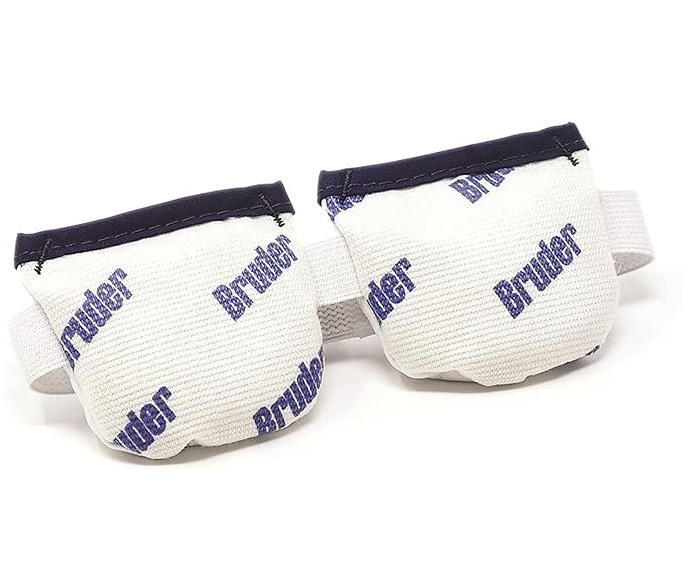
**Bruder Moist Heat Eye Compress** – Relaxes eye muscles and relieves pressure behind the eyes.
Check Price →
**Doctor’s Best Magnesium Glycinate** – Supports nerve relaxation and reduces tension headaches.
View on Amazon →3. Magnesium, B Vitamins & Optimal Hydration
Magnesium is a vital electrolyte that plays a key role in muscle relaxation and pain modulation. Deficiency is strongly linked to tension headaches and migraines. Furthermore, maintaining proper hydration is essential for tear production and nerve function.
4. Correct Screen Ergonomics & Blue Light Filtering
Adjusting your workspace prevents the neck-eye-jaw tension loop (Cause #10).
- Monitor Position: Set the monitor slightly below eye level (15–20 degrees) and keep the distance at 50–70 cm. This reduces upper neck strain.
- Blue Light: While controversial, filtering blue light can reduce glare and the visual noise associated with high-frequency light, providing comfort for light-sensitive individuals and reducing eye fatigue.
Over 70% of people with recurring eye pressure headaches also show signs of digital eye strain or dry eye disease during eye exams.
5. Eye Drops (Preservative-Free)
High-quality, preservative-free artificial tears lubricate the ocular surface, reducing the friction and nerve irritation that triggers pressure headaches (Cause #3). Use drops before or during screen sessions, not just when eyes feel painful.
6. Targeted Cervical and TMJ Relaxation Exercises
- Chin Tucks: Gently pull your chin back towards your throat while keeping your eyes level. Hold for 5 seconds. This stretches the upper neck muscles responsible for referred pain.
- Jaw Massage: Gently massage the masseter muscles (cheeks) and temples to release tension caused by clenching.
7. Anti-Inflammatory Diet Adjustments (Omega-3 Focus)
Chronic inflammation exacerbates pain sensitivity. Increase your intake of Omega-3 fatty acids (EPA/DHA) through wild-caught fish or quality supplements. Omega-3s help reduce systemic inflammation and are scientifically proven to improve tear quality, attacking the root cause of Dry Eye and pain.
FAQ – Eye Pressure Headache
Q1: Can eye pressure headache be caused by screens?
Yes. Digital eye strain is the leading cause worldwide.
Q2: Is eye pressure headache related to glaucoma?
Rarely — but sudden pressure with vision changes needs urgent care.
Q3: Do blue light glasses help?
They can reduce glare and eye fatigue in sensitive individuals.
Q4: How long should an eye pressure headache last?
Hours to a day. Persistent pain needs evaluation.
Conclusion: Taking Control of Your Ocular Comfort
An eye pressure headache is a powerful warning sign that your visual system is overworked, under-lubricated, and stressed by modern demands, often compounded by sinus or neck issues.
The good news is that most cases are highly manageable. By implementing the 7-Point Action Protocol—focusing on muscle relaxation via the 20-20-20 rule and warm compresses, correcting ergonomics to relieve the cervical connection, and fighting inflammation with Omega-3 and hydration—you take control of your ocular comfort. Listening to your eyes early can prevent chronic discomfort and protect long-term vision health.
A Note from the Founder
"I started CVT because eye health is personal to me. After losing sight in my left eye due to a childhood injury and managing high intraocular pressure for decades, I’ve dedicated my life to finding the best ways to protect the vision we have. Every piece of advice on this site is researched with that same level of care and responsibility. Thank you for being here."