INTRODUCTION
If you constantly feel pressure behind your eyes, a tight or heavy sensation, or fullness that comes and goes — yet every eye exam comes back “normal” — you are not alone.
One of the most searched and misunderstood eye complaints today is eye pressure without glaucoma. People often fear the worst, only to be told that their eye pressure numbers are normal and there’s “nothing wrong.”
But something is happening — just not where most people are looking.
This in-depth guide explains why eye pressure can exist without glaucoma, what actually causes it, how stress, screens, muscles, nerves, and blood flow play a role, and — most importantly — what truly helps.
While the sensation of pressure can be alarming, it is frequently a secondary symptom of how our eyes react to modern environments. In fact, this condition is a core component of our Digital Eye Strain Guide, where we break down how screen-induced tension mimics more serious ocular diseases.
WHAT DOES “EYE PRESSURE WITHOUT GLAUCOMA” REALLY MEAN?
Eye pressure does not always equal high intraocular pressure (IOP).
In many cases, the sensation of pressure originates from:
- eye muscles
- nerves
- sinuses
- blood vessels
- the brain–eye connection
This is why people can experience intense pressure even when:
- eye pressure readings are normal
- optic nerves are healthy
- no glaucoma is present
👉 This confusion alone fuels anxiety — which can worsen the pressure.
WHY YOUR EYE EXAM IS NORMAL (BUT SYMPTOMS ARE REAL)
Modern eye exams focus on:
- eye pressure numbers
- retinal health
- optic nerve damage
But they do not measure:
- muscle tension around the eyes
- nerve hypersensitivity
- blood flow fluctuations
- stress-related visual overload
This explains why eye pressure without glaucoma is so commonly dismissed — yet so deeply felt.
HIDDEN CAUSES OF EYE PRESSURE WITHOUT GLAUCOMA
1️⃣ Eye Muscle Overuse & Tension (Very Common)
Extended screen use keeps eye muscles in a semi-contracted state. When eye muscles are overworked from focusing on pixels, they become inflamed and tight, creating that ‘full’ feeling. This muscular fatigue is the primary driver of most non-glaucoma pressure. To see the full list of environmental triggers and specialized recovery exercises, refer to the treatment protocols in our Digital Eye Strain Guide.
➡️ Result:
- pressure behind eyes
- aching around eyebrows
- heavy or tight eyes
👉 This closely overlaps with digital eye strain and explains why symptoms worsen late in the day.
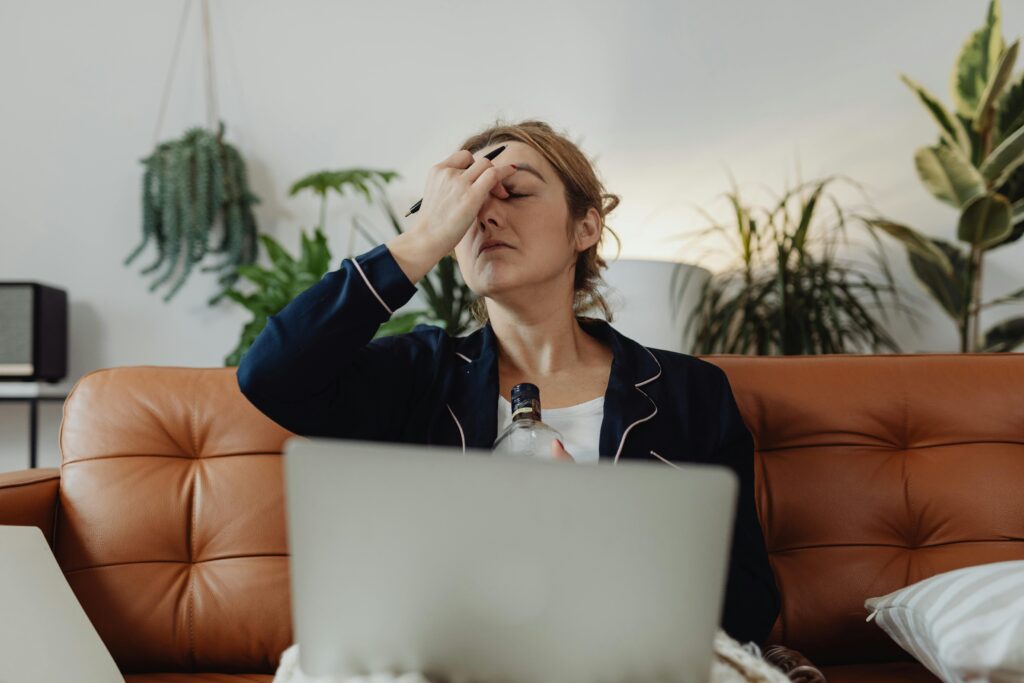
2️⃣ Stress Hormones & Nervous System Overload
Stress elevates cortisol, which:
- constricts blood vessels
- increases nerve sensitivity
- disrupts tear production
➡️ Result:
- pressure sensation
- light sensitivity
- blurry or “off” vision
According to clinical insights on ocular psychosomatics from the National Institutes of Health (NIH)
The brain and eyes are inextricably linked via the autonomic nervous system. When we are stressed, the sympathetic nervous system can cause micro-fluctuations in blood flow to the optic nerve area, which explains the persistent sensation of eye pressure without glaucoma even when clinical tests show stability.
👉 Read more in our related article:
Stress Hormones and Vision Problems
3️⃣ Sinus & Facial Pressure Mimicking Eye Pressure
Inflamed sinuses can refer pain directly behind the eyes.
➡️ Often misinterpreted as eye disease, especially during:
- seasonal allergies
- weather changes
- colds
4️⃣ Anxiety-Driven Visual Hyperawareness
Anxiety increases monitoring of bodily sensations.
➡️ Result:
- normal sensations feel amplified
- pressure feels constant
- fear reinforces symptoms
This creates the pressure–anxiety loop.
Studies show that anxiety can amplify physical sensations by up to 60%, making mild eye tension feel like severe pressure — even when no structural damage exists.
| Feature | Pressure (No Glaucoma) | Glaucoma |
|---|---|---|
| Pressure Readings | NORMAL | ELEVATED |
| Vision Loss | None | Progressive |
| Pain Type | Tightness/Ache | Often Painless |
| Anxiety Link | Very Common | Rarely Linked |
| Reversible | YES | NO |
COMMON SYMPTOMS PEOPLE IGNORE
- Pressure behind eyes
- Heavy eyes all day
- Tight forehead sensation
- Eye fatigue
- Light sensitivity
- Blurry vision during stress
- Worse indoors, better outside
👉 Many of these symptoms overlap with Why Do My Eyes Feel Heavy All Day?
WHAT ACTUALLY HELPS (NOT JUST EYE DROPS)
🧠 1. Calm the Nervous System First
- Consistent sleep
- Morning daylight exposure
- Reduce late caffeine
- Slow breathing exercises
Eye pressure often follows nervous system state.
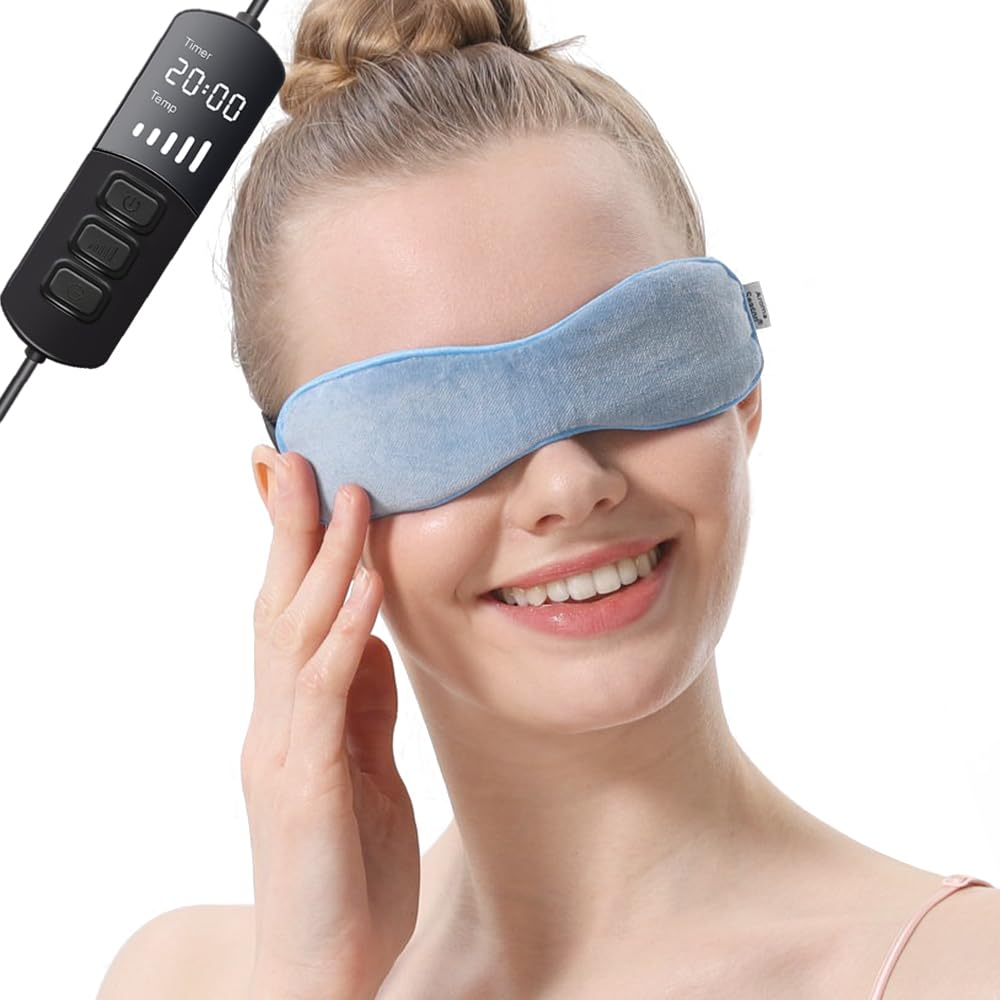
👁️ 2. Daily Eye Muscle Release
- Palming (2–3 minutes)
- Gentle blinking
- Distance gazing
These reduce muscular compression around the eyes.

NUTRITION THAT SUPPORTS EYE PRESSURE RELIEF
Key nutrients:
- Magnesium (muscle relaxation)
- Omega-3s (tear stability)
- B-complex (nerve health)
👉 Nutrition supports symptoms — but doesn’t replace lifestyle correction.
Magnesium deficiency is linked to increased muscle tension and nerve sensitivity — both major contributors to eye pressure sensations.

The Role of Blood Flow and Hydration
Beyond muscle tension, eye pressure without glaucoma can be influenced by systemic hydration and vascular health. Low-grade dehydration reduces the efficiency of the eye’s lymphatic-like drainage system, leading to a “heavy” feeling. Furthermore, poor microcirculation—often caused by sitting too long at a desk—prevents the ciliary muscles from receiving enough oxygenated blood, resulting in that dull, aching pressure sensation that many mistake for ocular disease.
WHEN TO SEE A DOCTOR
Seek professional care if:
- pressure worsens rapidly
- vision loss occurs
- severe eye pain develops
Eye pressure without glaucoma is common — but serious conditions must be ruled out first.
? Common Concerns & Expert Answers
Last updated: Jan 2026 • Evidence-Based Content
Do You Have Eye Pressure Without Glaucoma?
Select the symptoms you are currently experiencing:
The Verdict:
If you checked 2 or more boxes, your sensation is likely linked to Eye Pressure Without Glaucoma, often caused by muscle tension or digital fatigue.
Explore Relief Solutions ↓Related Reading:
CONCLUSION
Eye pressure without glaucoma is real, common, and deeply misunderstood.
Most cases are not caused by eye disease — but by how modern life overloads the visual and nervous systems. When you address stress, muscle tension, screen habits, and circulation, symptoms often improve dramatically.
Your eyes are not broken — they’re overwhelmed.
Understanding that difference is the first step toward real relief.
A Note from the Founder
"I started CVT because eye health is personal to me. After losing sight in my left eye due to a childhood injury and managing high intraocular pressure for decades, I’ve dedicated my life to finding the best ways to protect the vision we have. Every piece of advice on this site is researched with that same level of care and responsibility. Thank you for being here."