

When you suddenly notice tiny specks drifting across your vision or brief flashes of light in your peripheral vision, it can be unsettling. These visual disturbances are known as floaters and flashes. While often harmless and simply a result of age-related changes in the eye, they can also signal serious retinal problems that require immediate attention. Understanding the underlying causes of Floaters and Flashes is essential for long-term vision protection.
In this comprehensive guide, we’ll explore what causes floaters and flashes, how to tell the difference between normal and dangerous symptoms, when you should see an eye doctor, and what treatment options are available.
What Are Floaters?
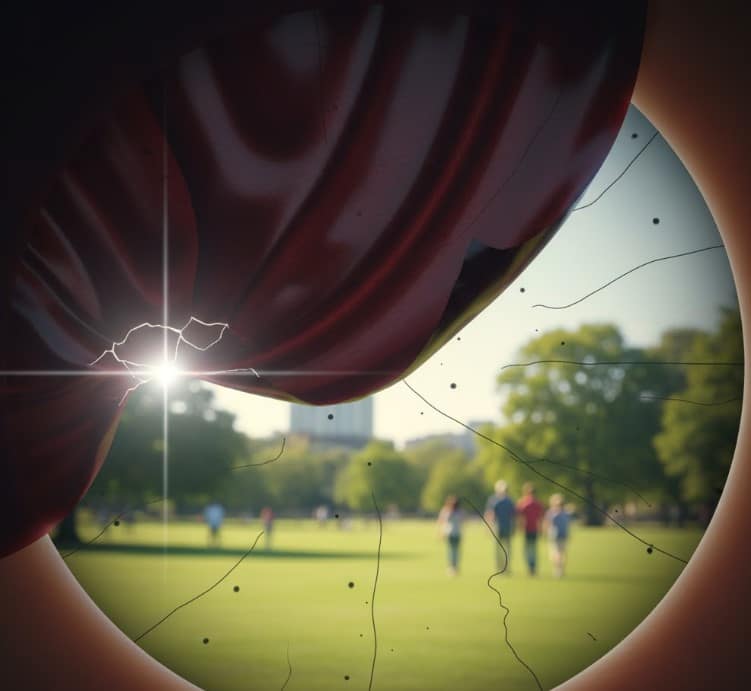
Floaters are small shapes or specks that appear in your field of vision, especially noticeable when you look at a bright background such as a clear blue sky, a white wall, or a computer screen. They may look like:
- Black or gray dots
- Squiggly lines
- Cobweb-like threads
- Floating blobs
Why Do Floaters Appear?
Floaters are caused by tiny clumps or strands inside the vitreous — the clear, gel-like substance that fills the inside of your eye. As we age, the vitreous slowly shrinks and becomes more liquid. Microscopic fibers within the vitreous clump together, casting shadows on the retina. These shadows are what we perceive as floaters. This aging process is the primary reason why most people eventually experience Floaters and Flashes.
Sometimes, new floaters can be a sign of deeper eye inflammation or Uveitis.
Common Risk Factors for Floaters
- Age (most common in people over 50)
- Nearsightedness (myopia)
- Previous eye surgery (especially cataract surgery)
- Eye injury
- Inflammation inside the eye (uveitis)
💡 Did You Know?
Floaters aren’t actually “bugs” or objects outside your eye. They are shadows cast on your retina by tiny clumps of collagen fibers floating inside your eye’s gel!
What Are Flashes?
Flashes are brief flickers or streaks of light that appear in your vision. They may look like:
- Lightning bolts
- Camera flashes
- Sparkles or bursts of light in the periphery
Flashes occur when the vitreous gel pulls on or rubs against the retina, the light-sensitive tissue at the back of the eye. This mechanical stimulation sends false signals of light to your brain.
When Are Flashes Normal?
Occasional flashes can occur as a normal part of the vitreous changing with age. However, frequent or sudden flashes may indicate a retinal tear or detachment, which is a medical emergency.
Normal vs. Dangerous Floaters and Flashes
Knowing how to distinguish between benign and serious Floaters and Flashes can save your eyesight.
Normal/Benign Signs
- Few floaters that don’t change or grow rapidly
- Floaters that you’ve had for years without sudden changes
- Occasional flashes that are brief and not worsening
Warning Signs (Seek Immediate Care)
- Sudden shower of new floaters
- Large floaters that appear suddenly
- Increase in flashes, especially in one eye
- A dark curtain or shadow moving across your vision
- Loss of peripheral vision
These are classic warning signs of a retinal tear or retinal detachment, which can cause permanent vision loss if not treated urgently.
Retinal Detachment and Tears: The Emergency Behind Flashes
A retinal detachment occurs when the retina is pulled away from the back of the eye, disrupting its blood and nutrient supply. Without treatment, this condition can cause irreversible blindness.
Symptoms of Retinal Detachment
- Sudden increase in floaters
- Bright flashes of light
- Shadow or curtain effect across vision
- Blurred or distorted vision
Risk Factors for Retinal Detachment
- Severe nearsightedness (myopia)
- Family history of retinal detachment
- Previous eye surgery or trauma
- Advanced age
- Other retinal conditions (e.g., lattice degeneration)
Recommended Reading:
Comprehensive Diagnosis of Floaters and Flashes
An eye doctor will perform a dilated eye exam to carefully check the retina and vitreous. Additional tests may include:
- Ophthalmoscopy (detailed view of retina)
- OCT (Optical Coherence Tomography) for retinal layers
- Ultrasound imaging (if vitreous is cloudy)
Treatment Options for Floaters and Flashes
The treatment depends on the underlying cause:
For Harmless Floaters
- Usually no treatment is required.
- Most people adapt and stop noticing them over time.
- In rare severe cases, vitrectomy (surgical removal of vitreous) may be considered, but it carries risks.
For Flashes from Retinal Tear/Detachment
- Laser surgery (photocoagulation) to seal retinal tears
- Cryopexy (freezing treatment) to repair retinal breaks
- Vitrectomy or scleral buckle surgery for retinal detachment
Immediate treatment greatly increases the chance of preserving vision.

Ocuvite Adult 50+ Eye Vitamins
Formulated with Lutein, Zeaxanthin, and Omega-3 to help maintain vitreous and retinal health as you age.
Check Price on Amazon →Living with Floaters: Coping Strategies
Even when floaters are harmless, they can still be annoying. Tips for coping include:
- Shifting your eyes up and down to move floaters out of central vision
- Adjusting screen contrast and background colors
- Using proper lighting while reading
- Managing eye strain with the 20-20-20 rule (look 20 feet away for 20 seconds every 20 minutes)
Prevention and Eye Health Maintenance
While you can’t always prevent floaters or flashes, you can protect your overall eye health by:
- Having regular dilated eye exams (especially if over 50 or at risk)
- Wearing protective eyewear to avoid trauma
- Controlling chronic diseases like diabetes and hypertension
- Eating a diet rich in antioxidants, lutein, zeaxanthin, and omega-3 fatty acids
- Staying hydrated to maintain vitreous health
Protecting your eyes from external stress is just as important as internal health; learn more in our guide on Blue Light and Eye Health.
Frequently Asked Questions (FAQ)
Q: Are floaters always permanent?
A: Many floaters remain, but the brain often learns to ignore them. Some may fade over time.
Q: Do floaters mean I’m going blind?
A: Not necessarily. Floaters are usually harmless, but sudden increases should be checked immediately.
Q: Can stress or fatigue cause flashes?
A: Stress does not cause retinal flashes. However, migraines can cause visual phenomena called “aura,” which can resemble flashes.
Q: Should I see an eye doctor if I get new floaters?
A: Yes. Even one new large floater or sudden shower of floaters should be evaluated.
Q: Can floaters be removed with laser treatment?
A: YAG laser vitreolysis is an option in select cases, but its safety and effectiveness are still debated.
Key Takeaway
Floaters and flashes are common vision symptoms, but they should never be ignored—especially if they appear suddenly or are accompanied by vision loss. Regular eye exams are your best defense, and knowing the warning signs of retinal detachment could save your sight. While often part of aging, sudden Floaters and Flashes should always be treated as a potential emergency until cleared by a doctor.
Recommended Action
If you notice sudden new floaters, frequent flashes, or a curtain-like shadow in your vision, seek emergency eye care immediately.
A Note from the Founder
"I started CVT because eye health is personal to me. After losing sight in my left eye due to a childhood injury and managing high intraocular pressure for decades, I’ve dedicated my life to finding the best ways to protect the vision we have. Every piece of advice on this site is researched with that same level of care and responsibility. Thank you for being here."

