🧬 INTRODUCTION
Hormonal imbalance and eye health are far more connected than most people realize.
If you’re experiencing unexplained dry eyes, blurry vision, eye pressure, light sensitivity, or sudden changes in visual comfort, your hormones — not your eyes — may be the real root cause.
Millions of people treat eye symptoms with drops, glasses, or screen breaks, yet never address the internal hormonal signals silently affecting tear production, blood flow, inflammation, and even eye pressure.
This guide explains how hormones impact your eyes, the most common eye symptoms caused by hormonal imbalance, and practical, science-backed solutions to protect your vision long-term.
1️⃣ How Hormones Control Eye Function (Simple Explanation)
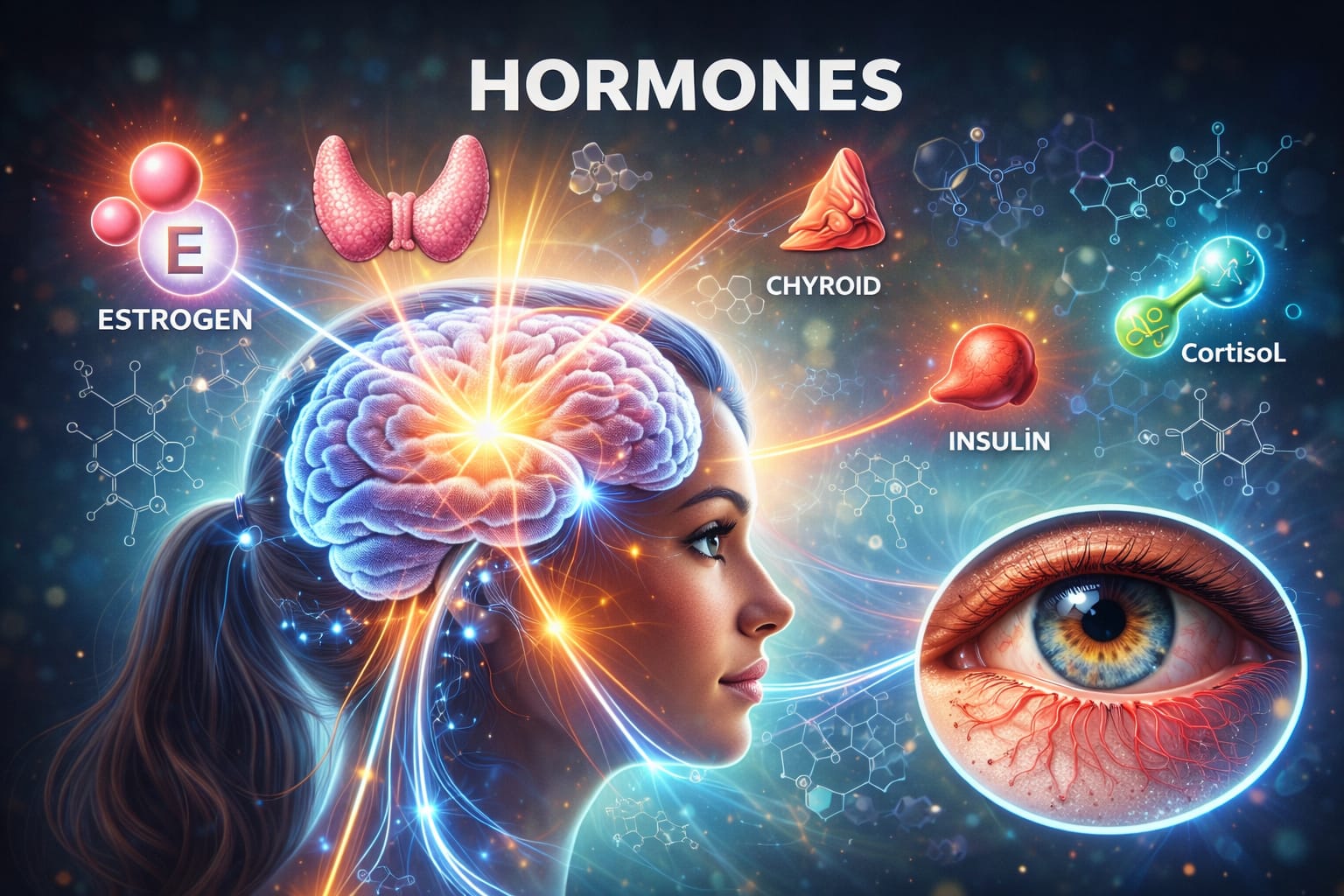
Your eyes are not isolated organs. They are hormonally active tissues with receptors for:
- Estrogen
- Progesterone
- Testosterone
- Thyroid hormones
- Cortisol
- Insulin
These hormones regulate:
- Tear production
- Meibomian gland oil quality
- Blood flow to the retina
- Inflammation levels
- Eye pressure (IOP)
- Neural signaling between eye and brain
When hormones fluctuate or drop, eye symptoms appear — often before blood tests show abnormalities.
| Hormone | Primary Eye Function | Symptoms of Imbalance |
|---|---|---|
| Estrogen | Tear stability & Blood flow | Severe Dryness, Burning, Redness |
| Progesterone | Fluid balance & Ocular pressure | Eye pressure, Light sensitivity |
| Thyroid (T3/T4) | Muscle & Nerve health | Blurry vision, Bulging, Pain |
| Cortisol | Inflammation control | Floaters, Visual Snow, Fatigue |
| Insulin | Lens & Retinal health | Fluctuating Blurry Vision |
Understanding these internal chemical signals is crucial because your eyes don’t function in a vacuum; they rely on your body’s overall metabolic foundation. To see how hormone regulation fits into the essential pillars of daily eye care and preventative habits, explore our Vision Health Basics: Complete Guide to Eye Care & Nutrition.
Your tear glands and meibomian glands contain estrogen and androgen receptors. Hormonal shifts can reduce tear quality even if tear quantity appears “normal.”
2️⃣ Estrogen & Dry Eyes (Especially After 35)
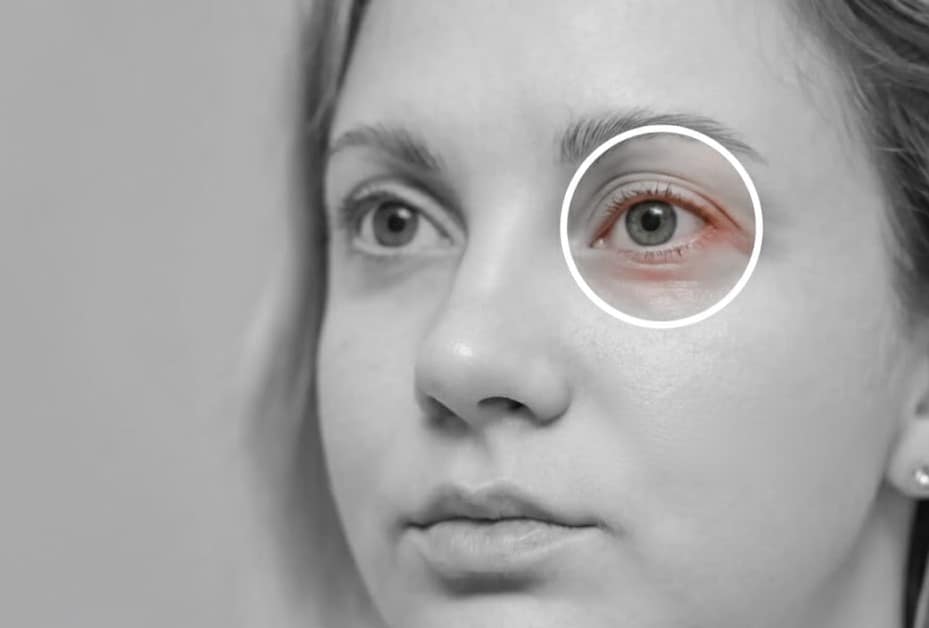
Low estrogen levels are one of the most overlooked causes of chronic dry eye, particularly in women. According to Harvard Health, hormonal changes significantly impact the stability of the tear film.
Common symptoms:
- Burning eyes
- Gritty sensation
- Redness
- Contact lens intolerance
- Morning dryness
Estrogen supports:
- Tear film stability
- Anti-inflammatory signaling
- Blood flow to ocular tissues
When estrogen drops (PMS, postpartum, perimenopause, menopause), tear evaporation increases dramatically.
3️⃣ Progesterone, Eye Pressure & Visual Fatigue
Progesterone helps regulate:
- Fluid balance
- Eye pressure
- Neural calmness
Low progesterone may contribute to:
- Eye pressure sensations
- Headaches behind the eyes
- Visual fatigue
- Light sensitivity
This is common during:
- Luteal phase
- Perimenopause
- High stress periods
4️⃣ Thyroid Disorders & Eye Symptoms (Often Missed)
Thyroid hormones directly affect:
- Extraocular muscles
- Tear glands
- Orbital fat
- Nerve conduction
Eye symptoms linked to thyroid imbalance:
- Bulging eyes
- Dryness
- Double vision
- Eye pain
- Blurry vision
⚠️ Many patients with “normal TSH” still experience eye symptoms due to poor T3 conversion.
If you experience pressure, dryness, or eye fatigue alongside systemic inflammation, read our complete guide on chronic eye inflammation and its hidden triggers.
5️⃣ Cortisol, Stress & Eye Inflammation
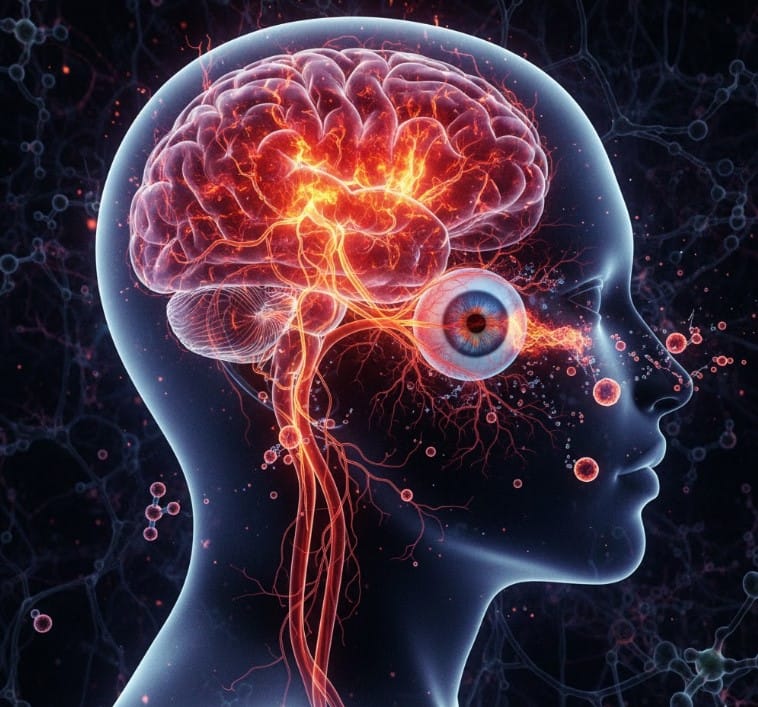
Chronic stress elevates cortisol, which:
- Disrupts tear composition
- Reduces blood flow to the retina
- Increases inflammatory cytokines
This leads to:
- Eye pain
- Floaters
- Visual snow sensations
- Worsening dry eye
6️⃣ Insulin Resistance & Blurry Vision
Blood sugar instability alters:
- Lens hydration
- Retinal circulation
- Nerve signaling
Symptoms include:
- Temporary blurred vision
- Eye fatigue
- Pressure sensations
⚠️ Often misdiagnosed as “screen strain.”

High-Potency Omega-3 (EPA/DHA)
Optimized formula for hormonal eye health. Supports tear film stability, reduces ocular inflammation, and improves meibomian gland function.
🛒 Check Price on Amazon ✓ Free Shipping with Prime7️⃣ Menopause & Vision Changes
Common menopause-related eye issues:
- Dry eyes
- Light sensitivity
- Eye pressure
- Blurry near vision
Cause:
Decline in estrogen + androgen imbalance → tear film breakdown
Up to 79% of menopausal women experience new or worsening dry eye symptoms within 5 years of hormonal transition.
8️⃣ How to Restore Eye Health Naturally (Hormone-Supportive)
Core strategies:
- Omega-3 (1000–2000 mg daily)
- Proper hydration
- Stress regulation
- Sleep optimization
- Anti-inflammatory diet
- Blue light management

Hormone-Friendly Blue Light Glasses
Engineered to reduce retinal stress and protect your circadian rhythm during hormonal shifts. Perfect for late-night screen use.
View on Amazon →🥑 Hormone-Boosting Superfoods for Vision:
- Wild-Caught Salmon: Rich in Omega-3 to fuel estrogen receptors in tear glands.
- Pumpkin Seeds: High in Zinc, essential for transporting Vitamin A to the retina.
- Leafy Greens: Packed with Magnesium to balance cortisol-related eye twitching.
❓ FAQ SECTION
Q1: Can a hormonal imbalance and eye health issue cause vision to fluctuate?
A: Yes, a direct link exists between hormonal imbalance and eye health when it comes to visual clarity. Shifts in insulin, cortisol, and estrogen can cause the eye’s lens to change shape or disrupt neural signaling. This is why many people experience blurry vision as a primary symptom of hormonal imbalance and eye health instability.
Q2: How does hormonal imbalance and eye health affect chronic dry eyes?
A: The tear glands have specific receptors for estrogen and testosterone. When these are out of sync, the quality of your tears degrades. Addressing hormonal imbalance and eye health is often the only way to find lasting relief from dryness that eye drops alone cannot fix, especially during menopause or high-stress periods.
Q3: Are there specific vitamins that support hormonal imbalance and eye health?
A: Nutrients like Omega-3 fatty acids, Magnesium, and Vitamin D are essential for stabilizing hormonal imbalance and eye health. These supplements help regulate the endocrine signals that control ocular inflammation and tear film stability, making them vital for anyone managing hormonal imbalance and eye health symptoms.
Q4: Should I see a specialist for symptoms related to hormonal imbalance and eye health?
A: If your eye exam comes back normal but you still have symptoms, it is highly likely that hormonal imbalance and eye health are the culprits. In such cases, consulting both an eye doctor and an endocrinologist is the best way to address the root causes of hormonal imbalance and eye health complications.
Related Reading
✅ CONCLUSION
Hormonal imbalance and eye health are inseparable.
If your eye symptoms don’t match eye exam results, hormones may be the missing link.
Addressing internal balance — not just surface symptoms — is the most powerful way to protect your vision for the long term.
A Note from the Founder
"I started CVT because eye health is personal to me. After losing sight in my left eye due to a childhood injury and managing high intraocular pressure for decades, I’ve dedicated my life to finding the best ways to protect the vision we have. Every piece of advice on this site is researched with that same level of care and responsibility. Thank you for being here."

