

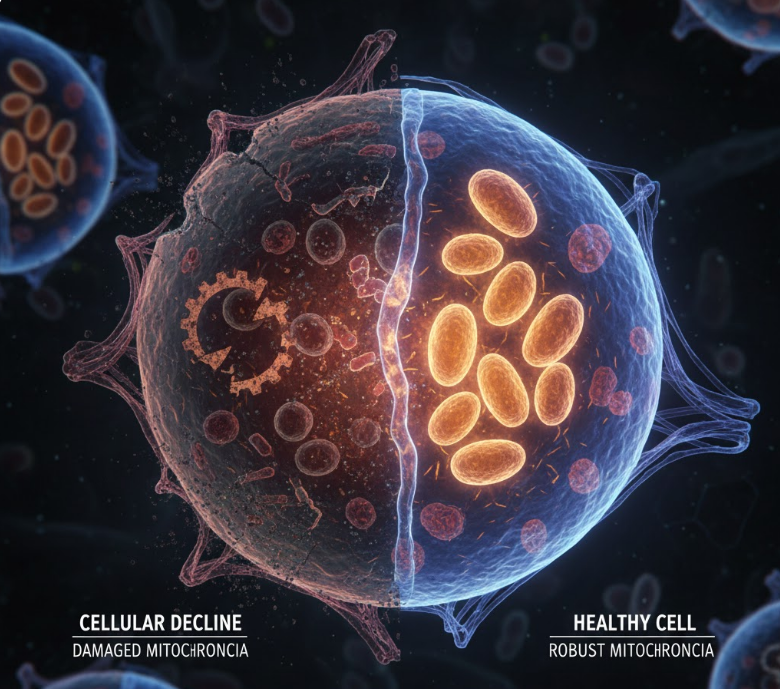
Your eyes are metabolic powerhouses. The retina, particularly the photoreceptors that capture light and convert it into electrical signals, has one of the highest energy demands in the entire human body, surpassed only by the brain. This incredible energy requirement is met by trillions of tiny organelles called mitochondria—the literal “power plants” of the cell.
The concept of Mitochondrial Eye Health posits that the primary driver of age-related vision loss (such as Age-Related Macular Degeneration or Glaucoma) is not simply time, but the progressive failure of these microscopic power plants due to oxidative stress and cumulative damage. When mitochondria fail, retinal cells starve, leading to dysfunction and ultimately, vision loss.
To truly secure your sight long-term, you must move beyond superficial treatments and adopt a comprehensive cellular protocol. This guide will deep-dive into the science of mitochondrial function, explain its direct connection to major eye diseases, and provide the ultimate Mitochondrial Eye Health Protocol to fuel your vision at the cellular level.
Why the Eye is a Mitochondrial Battleground
The eyes face a unique challenge that makes their mitochondria highly vulnerable:
1. High Energy Demand (The Metabolism Test)
Photoreceptor cells and the retinal pigment epithelium (RPE)—the supportive layer underneath—require massive amounts of ATP (cellular energy) to process light and constantly recycle waste products. This high metabolic rate generates a huge volume of Reactive Oxygen Species (ROS) as a byproduct.
2. Chronic Light Exposure (The Stressor)
Light itself, particularly High-Energy Visible (HEV) blue light, acts as a constant environmental stressor. This light exposure accelerates the production of ROS, overwhelming the retina’s natural antioxidant defenses and causing damage to the mitochondrial DNA (mtDNA).
3. Cumulative Damage
Unlike most cells, the RPE cells rarely divide. The mitochondrial damage that occurs in your 20s carries forward, compounding over decades. This cumulative decline in energy production is believed to be the critical bottleneck in age-related vision decline.
Ocular Diseases Rooted in Mitochondrial Dysfunction
Mitochondrial failure is not merely a consequence of aging; it is a primary mechanistic cause in several severe conditions:
1. Age-Related Macular Degeneration (AMD)
- The Link: AMD is characterized by the accumulation of drusen (waste deposits) under the RPE. RPE cells with damaged mitochondria cannot efficiently recycle waste or fuel the photoreceptors. This leads to cell death and the progressive central vision loss seen in AMD. Studies have shown significantly damaged mitochondria in RPE cells of AMD patients.
2. Glaucoma (The Optic Nerve Crisis)
- The Link: Glaucoma involves the progressive death of Retinal Ganglion Cells (RGCs), which transmit visual information from the retina to the brain via the optic nerve. RGCs are extremely energy-dependent. When mitochondrial function is compromised, often due to poor blood flow or elevated intraocular pressure, the RGCs starve and die, leading to irreversible peripheral vision loss.
3. Dry Eye Disease (The Epithelial Energy Drain)
- The Link: While primarily an inflammatory condition, the delicate epithelial cells of the cornea and tear glands require significant mitochondrial energy for rapid cell turnover and maintaining the tear film barrier. Mitochondrial damage compromises the integrity of this barrier, worsening DED symptoms and chronic inflammation.
The Ultimate Mitochondrial Eye Health Protocol (The Key Nutrients)
This protocol focuses on three strategies: Protecting the mitochondria, Fueling ATP production, and Repairing the cellular structures.
Strategy 1: The ATP Fuelers (CoQ10 and PQQ)
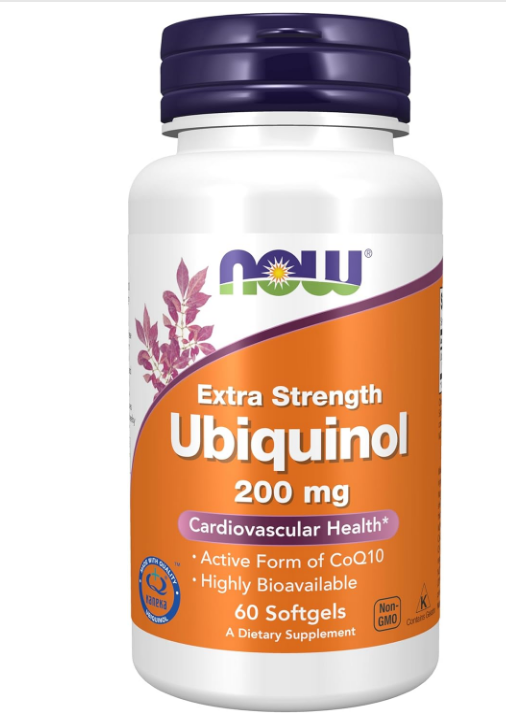
- Coenzyme Q10 (CoQ10) / Ubiquinol: CoQ10 is vital for the Electron Transport Chain (ETC), the process where mitochondria generate most of the cell’s ATP. Supplementing with the active form, Ubiquinol, is crucial for high-energy organs like the retina.
- Action: Supports energy production and acts as a powerful fat-soluble antioxidant within the mitochondrial membrane.
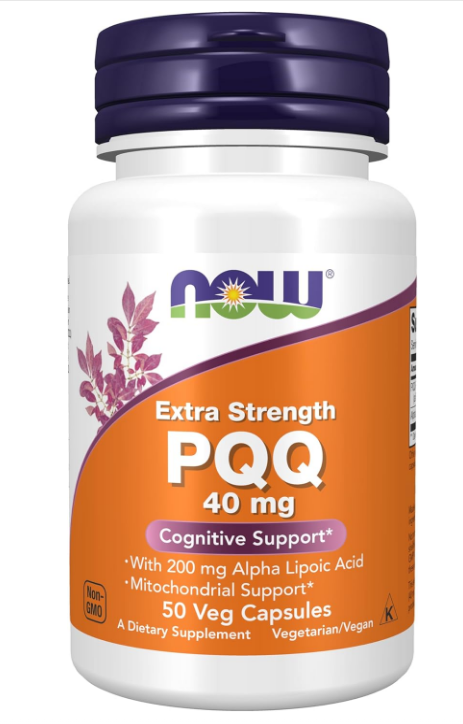
- Pyrroloquinoline Quinone (PQQ): A potent nutrient that not only enhances mitochondrial function but has been shown to stimulate mitochondrial biogenesis—the creation of new mitochondria—which is essential for countering age-related decline.
Strategy 2: The Master Antioxidant and Repair Agent (R-Alpha Lipoic Acid)
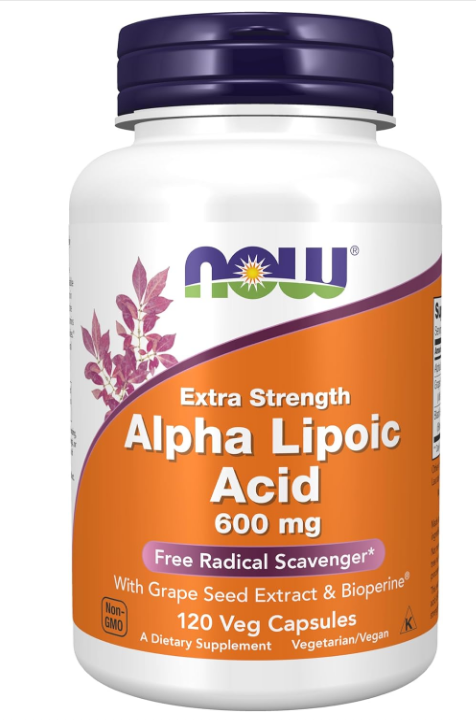
- R-Alpha Lipoic Acid (R-ALA): ALA is unique because it is both water- and fat-soluble, allowing it to work throughout the cell and the mitochondrial membrane. The R-Form is the biologically active form.
- Action: R-ALA is critical for reducing oxidative stress and helps regenerate other key antioxidants, such as Vitamin C and Glutathione, significantly improving the retina’s defense capacity.
Strategy 3: Protecting the Membrane (Lutein & Zeaxanthin)
- Lutein and Zeaxanthin: While traditionally viewed as blue light filters, these carotenoids are powerful lipid-soluble antioxidants that protect the fatty membranes of retinal cells and their enclosed mitochondria from light-induced damage.
THE MITOCHONDRIAL EYE HEALTH TRIO
Target cellular energy failure with these essential, high-absorption forms:
Lifestyle Factors That Destroy or Sustain Mitochondria
Supplements are only part of the equation. Your daily habits are the ultimate determinant of mitochondrial health.
1. Intermittent Fasting (Mitochondrial Autophagy)
- The Benefit: Periods of fasting trigger autophagy (cellular clean-up). This process removes old, damaged, and poorly functioning mitochondria (mitophagy), allowing the cell to replace them with new, efficient ones. This is critical for RPE cells.
- Action: Practice a daily 12-16 hour fast or a 24 hour fast once or twice a month (always consult a doctor).
2. Targeted Light Exposure (The hormetic effect)
- Red Light Therapy (Photobiomodulation): Specific wavelengths of red and near-infrared light have been shown to directly stimulate cytochrome c oxidase, a key enzyme in the mitochondrial ETC. This is a non-invasive way to boost retinal ATP production.
- Action: Utilize low-level red light devices for short, targeted daily sessions (often 3-5 minutes)
3. Sleep and Circadian Rhythm (The Repair Window)
Mitochondrial repair and cleanup largely occur during deep sleep. Disruption of the sleep-wake cycle (due to blue light exposure at night or irregular schedules) prevents the necessary repair processes, accelerating mitochondrial damage and RPE dysfunction.
Related Articles on Cellular & Vision Biohacking
Frequently Asked Questions About Mitochondrial Eye Health
Q1: How does mitochondrial failure relate to Glaucoma?
Glaucoma involves the death of Retinal Ganglion Cells (RGCs), which transmit signals to the brain. RGCs have high energy needs. Mitochondrial failure due to oxidative stress or reduced blood flow starves the RGCs, accelerating their death, which is why mitochondrial support is a key research area for Glaucoma prevention.
Q2: Is Ubiquinol better than CoQ10?
Yes, for most people. Ubiquinol is the reduced, active antioxidant form of CoQ10. As we age, the body’s ability to convert standard CoQ10 (Ubiquinone) into the active Ubiquinol decreases, making direct Ubiquinol supplementation more effective for supporting high-energy organs like the retina.
Q3: Can red light therapy (photobiomodulation) really help mitochondria?
Promising clinical research suggests that specific near-infrared light wavelengths (around 670 nm) can penetrate the eye and directly enhance the function of a key mitochondrial enzyme (cytochrome c oxidase), temporarily boosting ATP production. While not a cure, it is a viable biohacking tool for cellular support.
Conclusion: Investing in Lifelong Cellular Energy
The integrity of your Mitochondrial Eye Health is the ultimate predictor of your visual future. Chronic vision problems are often the consequence of cellular energy depletion and oxidative overload, rather than simple age. By adopting the comprehensive protocol—supplementing with ATP fuelers (Ubiquinol, PQQ), implementing repair agents (R-ALA), and strategically integrating lifestyle factors like fasting and light therapy—you provide your photoreceptors with the resilient energy they need to fight environmental stress and metabolic decline. Protecting your mitochondria is the most advanced, proactive step you can take to secure lifelong, high-quality vision.
A Note from the Founder
"I started CVT because eye health is personal to me. After losing sight in my left eye due to a childhood injury and managing high intraocular pressure for decades, I’ve dedicated my life to finding the best ways to protect the vision we have. Every piece of advice on this site is researched with that same level of care and responsibility. Thank you for being here."