
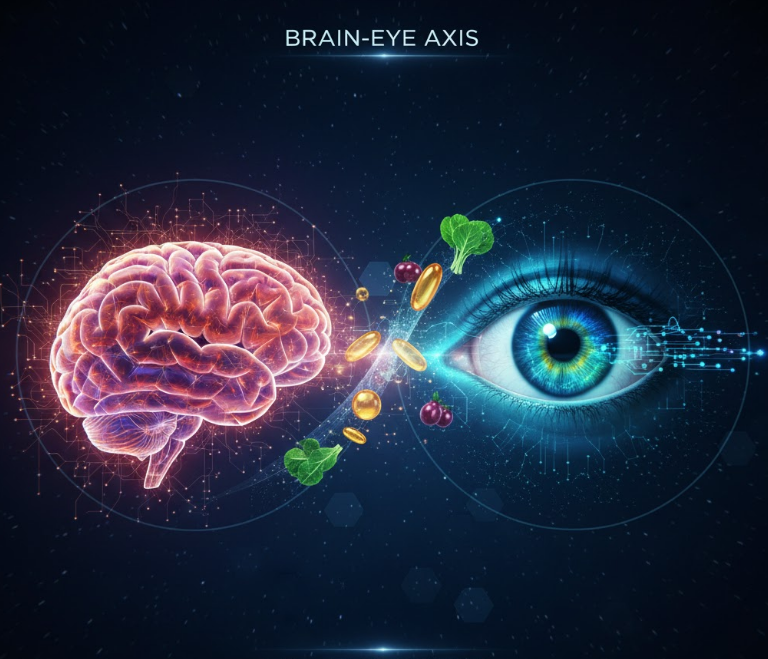
Introduction: Fueling the Brain-Eye Axis
We often treat our eyes and our brain as separate entities, but they are intrinsically linked by a dense network of nerves and blood vessels, forming what scientists call the Brain-Eye Axis. Your eyes are, literally, an extension of your central nervous system. This means that the nutrients vital for sharp vision are often the very same ones required for peak mental performance, focus, and memory.
This synergy forms the core of Ocular Nutrition and Cognitive Performance. If you are constantly seeking ways to sharpen your focus, reduce digital fatigue, and optimize long-term brain health, the key might lie not just in mental exercises, but in the specific nutrients you feed your eyes.
This comprehensive guide delves into the science behind the Brain-Eye Axis, identifies the essential power nutrients that fuel this connection, and provides an actionable protocol to maximize both your visual and cognitive clarity.
The Brain-Eye Axis: A Unified System
The link between vision and cognition is profound. Up to 65% of all neural pathways are involved in processing visual information. What happens in the retina directly impacts the speed and clarity of thought in the cortex.
The Role of the Macula
The macula, the tiny central part of the retina responsible for sharp, detailed vision, is crucial. It is constantly bombarded by light and requires dense layers of protective nutrients. Intriguingly, these protective compounds are also found in high concentrations in key areas of the brain responsible for memory and executive function.
The Power Nutrients: Dual Benefits for Vision and Cognition
Three main groups of nutrients stand out for their ability to simultaneously enhance Ocular Nutrition and Cognitive Performance:
1. The Macular Carotenoids (Lutein & Zeaxanthin)
Lutein and Zeaxanthin (L/Z) are xanthophyll carotenoids that serve two critical functions:
- Ocular Benefit: They form the macular pigment, acting as internal sunglasses. They filter up to 90% of harmful blue light before it reaches the photoreceptors, protecting against oxidative stress and reducing light scatter.
- Cognitive Benefit: L/Z are concentrated in the brain’s frontal cortex, the region responsible for executive function, problem-solving, and attention span. Studies have shown that increased macular pigment density (indicating higher L/Z intake) correlates with faster processing speed and better memory in adults of all ages.
2. Omega-3 Fatty Acids (DHA)
DHA (Docosahexaenoic Acid) is the most critical structural fat in both the retina and the brain’s gray matter.
- Ocular Benefit: DHA is essential for the function of photoreceptor cell membranes. It also possesses powerful anti-inflammatory properties, significantly improving tear film stability and reducing symptoms of Dry Eye Disease.
- Cognitive Benefit: DHA is vital for synaptic plasticity (the ability of neurons to communicate). Low DHA levels are associated with cognitive decline. Supplementation supports learning, memory consolidation, and reduces the risk of neurodegenerative diseases.
3. Antioxidants (Vitamin C, E, Zinc)
These micronutrients protect the entire system from oxidative damage caused by metabolism and environmental stress.
- Ocular Benefit: They are the foundation of the preventative protocols for AMD (e.g., the AREDS formula), helping to neutralize free radicals in the retina and support the health of blood vessels.
- Cognitive Benefit: Antioxidants protect brain cells from damage and improve blood flow, ensuring the brain receives the necessary oxygen and glucose for sustained mental effort.
🧠 Did You Know?
The retina is actually an extension of the brain. Nutrients like lutein, zeaxanthin, omega-3 fatty acids, and B-vitamins don’t just protect your eyes — they actively support memory, focus, reaction speed, and overall cognitive performance. Studies show that higher macular pigment levels are associated with better processing speed and mental clarity, especially in people who spend long hours in front of screens.

The Performance Protocol: Maximizing Your Brain-Eye Axis
To optimize the synergy between vision and focus, implement this three-part nutritional protocol:
Protocol Step 1: Diet Optimization
- Daily Carotenoids: Consume dark, leafy greens (kale, spinach), corn, peas, and egg yolks daily. Cooking lightly with a healthy fat (olive oil) maximizes absorption.
- Omega-3 Sources: Integrate fatty fish (salmon, trout) at least two to three times per week. Vegetarian sources like walnuts and flaxseeds provide ALA, which the body must convert, so supplementation is usually recommended.
Protocol Step 2: Targeted Supplementation
Consider supplementation to ensure therapeutic levels, as these nutrients are difficult to achieve solely through diet.
- Lutein/Zeaxanthin:Look for supplements that provide a minimum of 10 mg of Lutein and 2 mg of Zeaxanthin daily (the 5 : 1 ratio).
- DHA Dominant Omega-3: Choose a fish oil or algae oil that prioritizes DHA over EPA for maximum cognitive and retinal structural benefit.
FUELING THE BRAIN-EYE AXIS
Optimize your focus and vision with the core supplements that protect the retina and enhance cognitive speed:
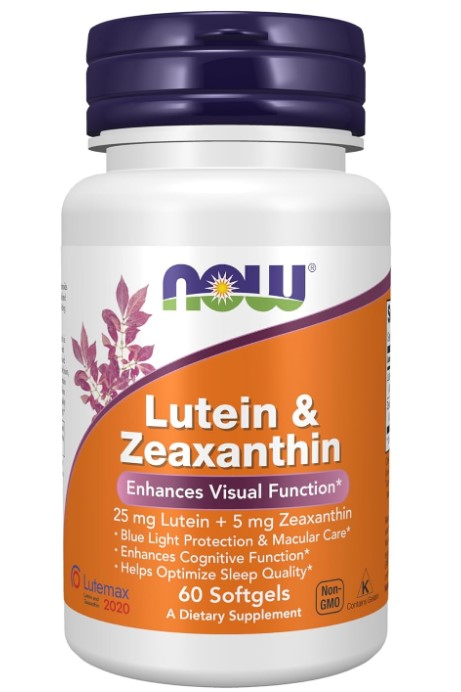
**Macular Carotenoids (L/Z)** – Essential for filtering blue light and boosting processing speed.
Shop Top Brands →
**High-DHA Omega-3** – Supports neural communication, memory, and retinal structure.
View DHA Options →Protocol Step 3: Biohacking the Connection
- Minimize Blue Light at Night: Blue light interferes with melatonin production (Circadian Rhythm), which drastically impairs memory consolidation during sleep. Use red-tinted filters or glasses after sunset.
- The 20-20-20 Rule for Focus: The same rule that rests your eye muscles also reduces cognitive fatigue. Resting the eyes gives the brain a brief reset, allowing for sustained attention.
🔗 Related Reading
Frequently Asked Questions (FAQ)
Q1: Can supplements truly improve my focus and memory?
While supplements cannot replace sleep and lifestyle, compounds like Lutein, Zeaxanthin, and DHA have been shown in multiple clinical trials to improve cognitive metrics such as processing speed, executive function, and verbal fluency, particularly in middle-aged and older adults. They support the underlying structure of the Brain-Eye Axis.
Q2: How quickly can I expect to see results from Ocular Nutrition changes?
Since Lutein and Zeaxanthin must build up in the macula and brain tissue, it typically takes 3 to 6 months of consistent supplementation and diet changes to reach maximum protective and cognitive benefit. DHA accumulation can be faster but consistency is key for long-term neural support.
Q3: Do children benefit from this nutritional protocol?
Absolutely. DHA is crucial during early development for the formation of the retina and brain. Furthermore, supplementing school-aged children with Lutein has shown promising results in improving academic performance and attention span, making it highly beneficial for their developing visual and cognitive systems.
Conclusion: Investing in Lifelong Clarity
The concept of Ocular Nutrition and Cognitive Performance empowers you to see your health not as a collection of isolated parts, but as a unified system. By strategically nourishing the Brain-Eye Axis with Lutein, Zeaxanthin, and Omega-3s, you are not just protecting against future vision loss—you are actively optimizing your mental clarity, processing speed, and quality of life today. Investing in your vision is investing in your brain.
A Note from the Founder
"I started CVT because eye health is personal to me. After losing sight in my left eye due to a childhood injury and managing high intraocular pressure for decades, I’ve dedicated my life to finding the best ways to protect the vision we have. Every piece of advice on this site is researched with that same level of care and responsibility. Thank you for being here."