
Introduction
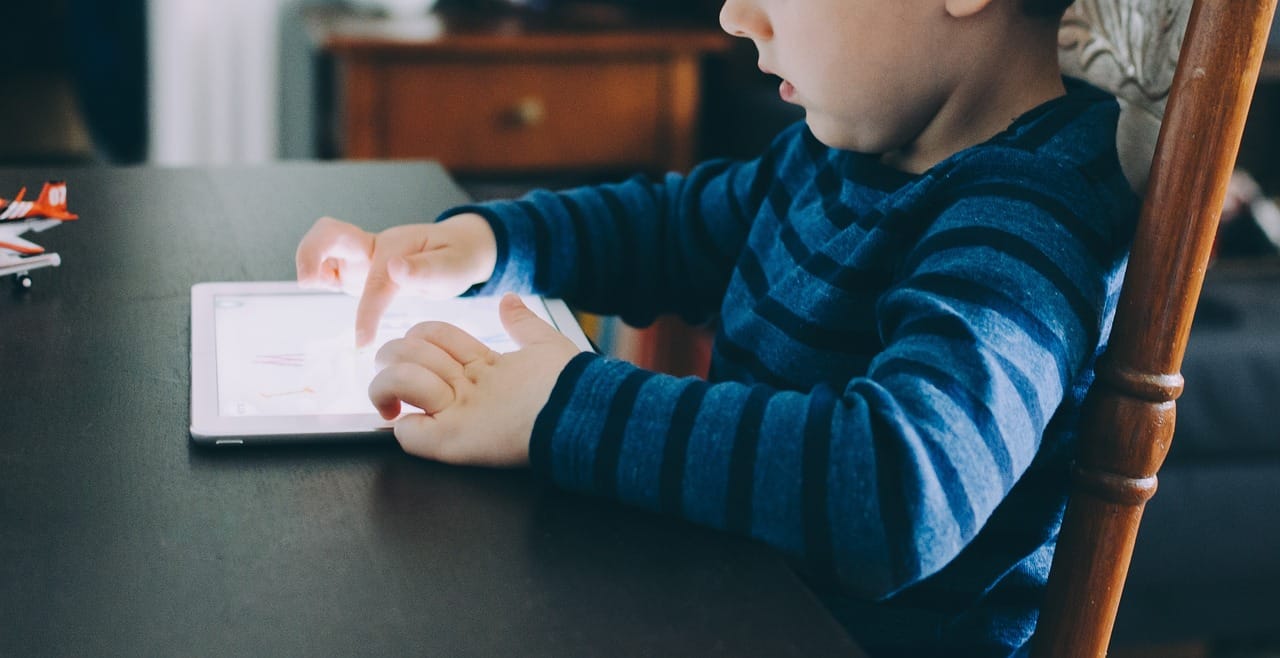
Screens are everywhere — from tablets and smartphones to laptops and smart TVs. While technology can support learning and play, excessive screen time poses a growing threat to children’s eye health. Rates of childhood myopia (nearsightedness) are rising at unprecedented levels, especially in urban areas where outdoor time is limited. Protecting kids eyes in the screen era has become a top priority for modern families as digital devices become inseparable from learning and play. With myopia rates soaring, parents need actionable strategies to safeguard their children’s developing vision; to explore more age-specific advice, visit our Eye Care for All Ages HUB.
As parents, you play the most important role in balancing screen use, protecting your child’s vision, and building lifelong healthy habits. This article will guide you through practical, science-based strategies to protect kids’ eyes in the screen era.
1. Why Protecting Kids Eyes in the Screen Era is Crucial
- Average child spends 4–6 hours per day on screens (teens 7–9).
- Pandemic accelerated online learning and digital entertainment.
- Eye specialists report increased cases of early myopia, eye strain, and even sleep disruption linked to excessive screen use.
2. Common Eye Problems in Children Linked to Screen Overuse
When we talk about protecting kids eyes in the screen era, we must address the rising epidemic of digital eye strain and early-onset myopia.
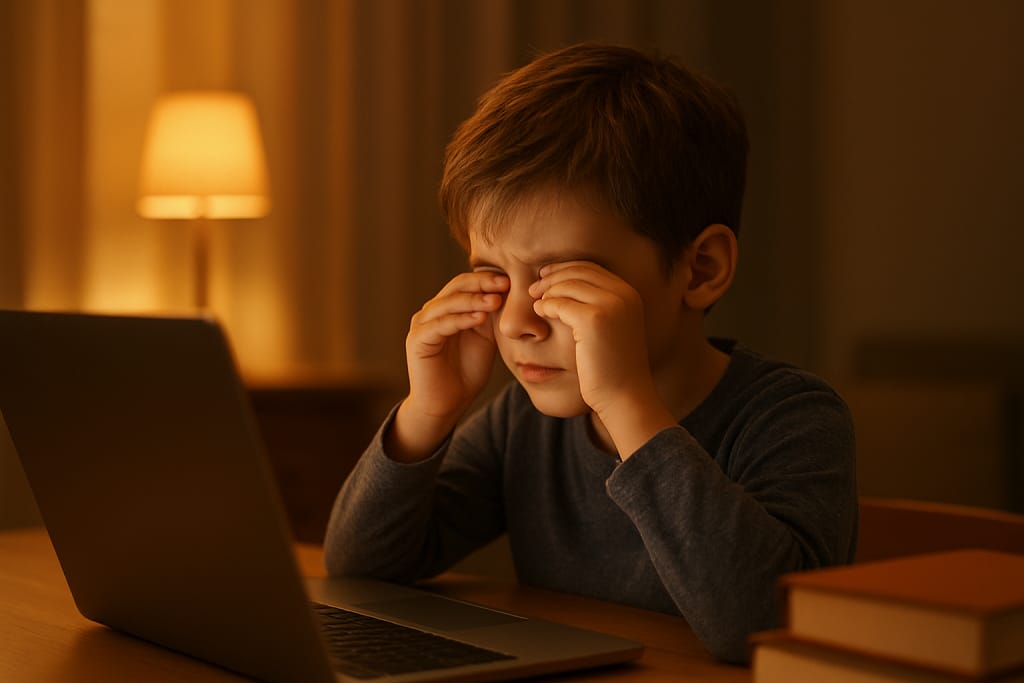
- Digital eye strain: dry eyes, blurred vision, headaches.
- Myopia epidemic: lack of outdoor time + near work = stronger driver of myopia progression.
- Posture-related issues: neck and shoulder pain.
- Sleep disruption: blue light exposure interferes with melatonin.
Did you know?
By 2050, it’s projected that half the world’s population will be myopic, with onset now appearing in children as young as 5.
| Age Group | Recommended Screen Time | Key Eye Health Focus |
| 0–2 Years | Video chat only | Visual stimulation & tracking |
| 2–5 Years | Max 1 hour/day | Developing depth perception |
| 6+ Years | Consistent limits | 20-20-20 Rule & outdoor play |
| Teens | Mindful usage | Blue light & sleep hygiene |
3. How Much Screen Time is Safe?
- AAP guidelines: no screen time under 2 years (except video chat), max 1 hour/day ages 2–5, consistent limits ages 6+.
- WHO recommendations: encourage outdoor play 2 hours/day to offset screen use.
- Focus is not just quantity, but quality of screen time (educational vs passive scrolling).
The World Health Organization (WHO) emphasizes that sedentary screen time should be replaced with active play for better visual and physical development.
4. Practical Rules for Parents
The 20-20-20 Rule for Kids
Every 20 minutes of screen use → look at something 20 feet away for 20 seconds.
Encourage Blinking Breaks
Kids blink 60% less on screens.
Outdoor Play
Natural daylight helps regulate circadian rhythm and slows myopia progression.
Proper Lighting & Posture
- Screens at eye level or slightly below.
- Avoid screen use in complete darkness.
Blue Light Management
- Night shift mode in evenings.
- Blue-light glasses optional, focus on behavior first.

Kids Blue Light Blocking Glasses
Essential for protecting kids eyes in the screen era. These lightweight, flexible glasses reduce glare and digital strain during online classes and gaming.
5. Building Healthy Habits Step by Step
- Family screen rules (tech-free dinner, no screens 1h before bed).
- Lead by example (parents model good habits).
- Use parental controls mindfully, but focus on teaching self-regulation.
Did you know?
Children who spend at least 2 hours outdoors daily have up to 50% lower risk of developing high myopia compared to peers.
6. When to See an Eye Doctor
- First eye exam at 6 months, then at age 3, before school, and every 1–2 years after.
- Warning signs: sitting too close to TV, squinting, frequent eye rubbing, headaches.
- Early detection = better treatment for conditions like amblyopia, strabismus, and refractive errors.
7. Long-Term Vision Protection
Ultimately, protecting kids eyes in the screen era requires a balanced approach between high-tech learning and old-fashioned outdoor play.
- Balance digital learning with real-world play.
- Encourage hobbies that don’t involve screens (sports, art, reading print books).
- Maintain overall health: nutrition (vitamin A, lutein, omega-3), hydration, and sleep.
FAQ Section
Q1: How much outdoor time is needed for protecting kids eyes in the screen era?
A1: At least 2 hours daily is recommended.
Q2: Do blue-light glasses play a role in protecting kids eyes in the screen era?
A2: Blue-light glasses can provide some comfort during long study sessions, but they are not a “magic fix.” The most effective strategy for protecting kids eyes in the screen era remains a combination of frequent screen breaks, proper room lighting, and plenty of outdoor activity.
Q3: Is holding a phone too close a concern when protecting kids eyes in the screen era?
A3: Absolutely. If a child consistently holds devices too close to their face, it is often an early warning sign of myopia (nearsightedness). In the context of protecting kids eyes in the screen era, this behavior should prompt an immediate visit to an eye specialist for a comprehensive exam.
Q4: Can tablet overuse cause permanent harm while protecting kids eyes in the screen era?
A4: While tablets don’t cause instant permanent damage, excessive use is a major driver of myopia progression and digital strain. Protecting kids eyes in the screen era is about managing that cumulative exposure to ensure long-term vision health remains intact.
Q5: What is the recommended eye exam schedule for protecting kids eyes in the screen era?
A5: To ensure you are effectively protecting kids eyes in the screen era, the first exam should be at 6 months, followed by age 3, and another before starting school. After that, a professional eye exam every 1–2 years is essential to track developing vision.
👨👩👧👦 Parent’s Quick Check
How many hours of outdoor light does your child get daily?
Conclusion
Technology is not the enemy — imbalance is. By setting healthy rules, encouraging outdoor play, and scheduling regular eye exams, parents can protect children’s eyes in the digital era. These small, consistent habits shape not just vision health, but also overall well-being and academic success.
Your child’s eyes are built to last a lifetime — let’s protect them from day one.
A Note from the Founder
"I started CVT because eye health is personal to me. After losing sight in my left eye due to a childhood injury and managing high intraocular pressure for decades, I’ve dedicated my life to finding the best ways to protect the vision we have. Every piece of advice on this site is researched with that same level of care and responsibility. Thank you for being here."

