Introduction
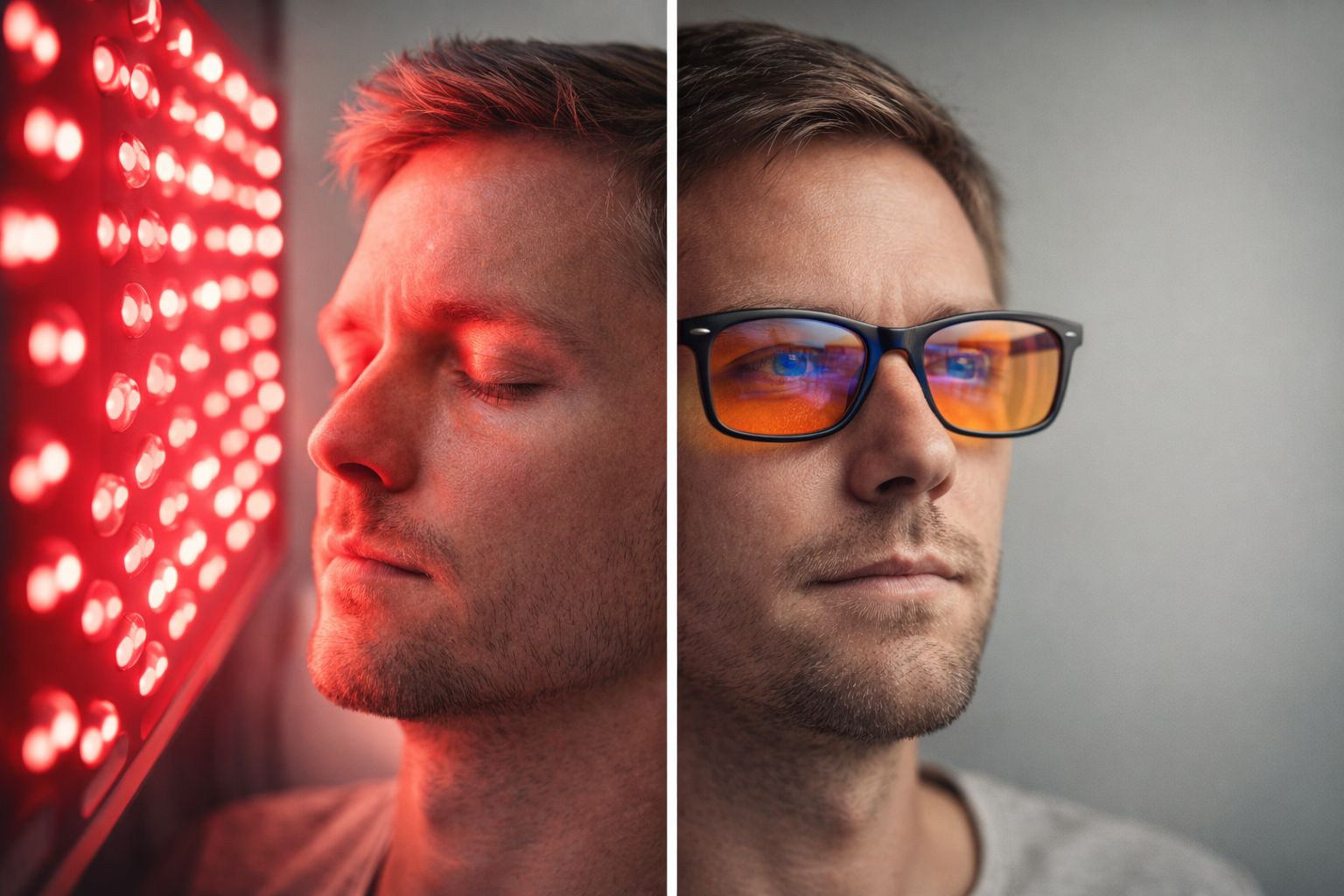
When it comes to digital eye strain, the debate of Red Light Therapy vs Blue Light Glasses is more relevant than ever. Millions of people wear blue light glasses every day, while others swear by red light therapy devices for headaches and screen fatigue. But which one actually works—and which one just feels like it works? If you spend hours staring at screens, this guide explores the science behind Red Light Therapy vs Blue Light Glasses to help you decide what truly helps your eyes.
Eye Strain Causes: Why You Need Red Light Therapy vs Blue Light Glasses
Eye strain (digital eye strain) happens when your eyes are overworked for long periods.
The main causes:
- Reduced blinking while using screens
- Constant focus at one distance
- Eye muscle fatigue
- Blue light exposure late in the day
Over time, this can lead to:
- headaches
- eye pressure
- twitching
- dry or irritated eyes
📌 Important: Not all eye strain is caused by blue light alone.
What Are Blue Light Glasses?
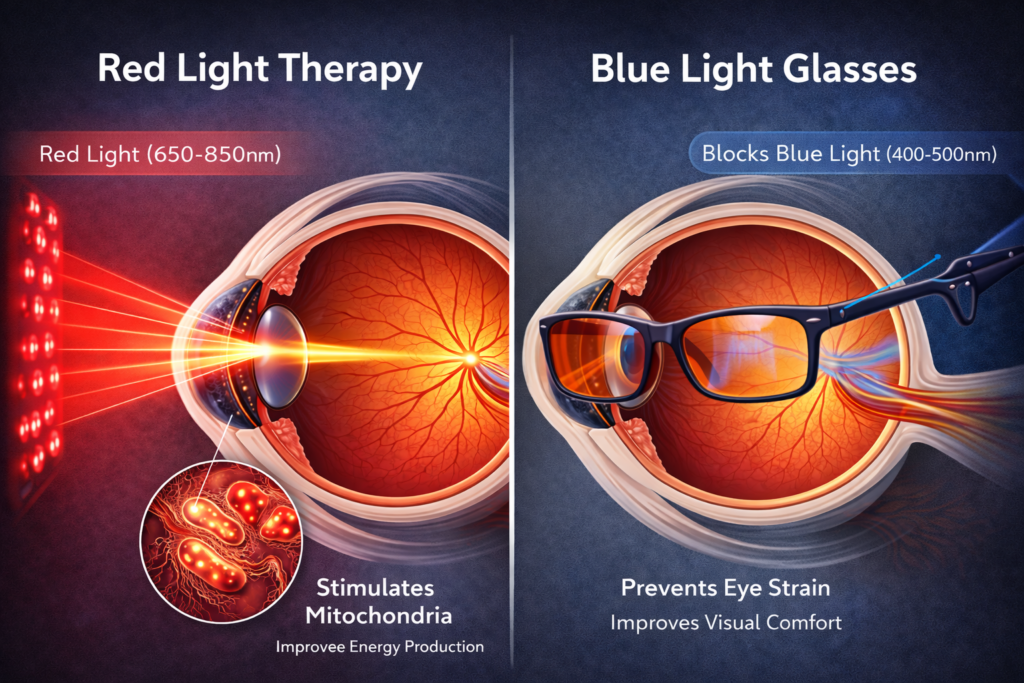
Blue light glasses are designed to filter a portion of high-energy blue light emitted by screens. While these glasses are a popular first step for protection, they are only one part of a complete strategy to fight screen-induced fatigue. For a full roadmap on managing monitor flicker, ergonomics, and refresh rates, explore our Digital Eye Strain: The Complete Guide to Screen-Related Vision Problems.
They may help with:
- visual comfort
- reducing glare
- sleep rhythm (especially at night)
They do NOT:
- relax eye muscles
- improve blood circulation
- treat dry eye
- repair eye fatigue
🧠 Blue light glasses are preventive, not therapeutic.
Many users start their journey into eye health by looking at Red Light Therapy vs Blue Light Glasses, often choosing glasses first for their simplicity.
What Is Red Light Therapy for Eyes?
Red light therapy (photobiomodulation) uses low-level red or near-infrared light to stimulate cells.
How it helps eyes:
- boosts mitochondrial energy (ATP)
- improves blood flow
- reduces inflammation
- relaxes eye muscles
Unlike glasses, red light therapy works on the biological level, not just visual comfort.
| Comparison Feature | Blue Light Glasses | Red Light Therapy |
|---|---|---|
| Reduces Eye Strain | ⚠️ Mild | ✅ Strong |
| Relaxes Eye Muscles | ❌ No | ✅ Yes |
| Relieves Dry Eyes | ❌ No | ✅ Yes |
| Improves Circulation | ❌ No | ✅ Yes |
| Long-term Vision Benefits | ❌ No | ✅ Yes |
| Immediate Comfort | ✅ Yes | ⚠️ Gradual |
*Comparison based on cellular recovery vs. passive light filtering.
Which One Works Better for Different Problems?
🔹 For Screen Fatigue
- ✅ Blue light glasses reduce glare
- ✅ Red light therapy restores tired eyes
👉 Best results: use both
🔹 For Dry Eyes
- ❌ Blue light glasses don’t help
- ✅ Red light therapy improves tear quality
👉 Red light wins
🔹 For Eye Pressure & Headaches
- ❌ Glasses don’t affect muscles
- ✅ Red light relaxes eye muscles
👉 Red light therapy clearly superior
🔹 For Office Workers & Gamers
- Daytime → Blue light glasses
- Evening → Red light therapy
Can You Use Both Together?
Yes — and this is where results explode.
Ideal routine:
- Day: blue light glasses during screen work
- Evening: 5–10 min red light therapy
This combo:
- reduces strain
- improves recovery
- prevents chronic eye fatigue
What Does Science Actually Say?
Studies show red light therapy:
- increases mitochondrial function
- improves blood circulation
- reduces inflammation
Blue light glasses mainly:
- improve visual comfort
- reduce glare
📌 Science supports red light therapy for treatment, glasses for prevention.
When analyzing Red Light Therapy vs Blue Light Glasses through clinical studies, red light therapy shows more promise for cellular repair
When Blue Light Glasses Are Enough
- mild discomfort
- short screen sessions
- improving sleep rhythm
They’re a good first step, not a full solution.
When Red Light Therapy Makes More Sense
- chronic eye strain
- headaches or eye pressure
- dry or tired eyes
- long screen hours
This is where real healing happens.
⭐ Best Options
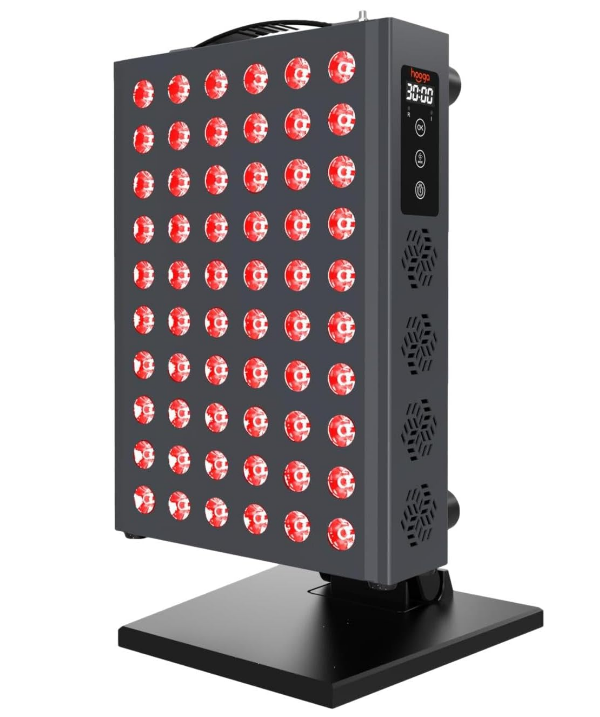
🔹 Best Red Light Therapy Devices for Eyes
👉 See full comparison here:
🔹 Best Blue Light Glasses for Computer Use
👉 Full list:

Final Verdict – Which One Should You Choose?
- Blue light glasses = comfort & prevention
- Red light therapy = real treatment & recovery
- Best solution = use both strategically
If eye strain affects your daily life, red light therapy offers deeper, long-term relief.
❓ Frequently Asked Questions
1. When comparing Red Light Therapy vs Blue Light Glasses, which is better for strain?
In the battle of Red Light Therapy vs Blue Light Glasses, the glasses are great for preventing glare during work, while red light therapy is far superior for actually healing tired eye muscles and reducing deep-seated strain.
2. Is red light therapy safer for your eyes than blue light glasses?
Both are safe, but they function differently. While blue light glasses are passive filters, red light therapy is an active treatment. Always use a device specifically designed for ocular health to ensure the correct wavelengths are used safely.
3. Can Red Light Therapy vs Blue Light Glasses be used together?
Absolutely! Using Red Light Therapy vs Blue Light Glasses together is the ultimate strategy. Wear the glasses during your screen time to block glare, and use red light therapy in the evening to stimulate cellular repair and recovery.
4. Do doctors recommend Red Light Therapy vs Blue Light Glasses for dry eyes?
Most specialists suggest blue light glasses for basic comfort. However, for chronic dry eyes, red light therapy is often recommended as it improves tear film quality and reduces inflammation at a biological level.
Conclusion: The Winner in Red Light Therapy vs Blue Light Glasses
After analyzing the evidence, the winner depends on your goals. If you want passive protection during work, blue light glasses are essential. However, if you are looking for active healing, muscle relaxation, and a cure for dry eyes, Red Light Therapy is the clear superior.
Final Recommendation: Don’t settle for just one. Use blue light glasses to shield your eyes during the day, and invest in a Red Light Therapy device for evening recovery to ensure long-term vision health.
A Note from the Founder
"I started CVT because eye health is personal to me. After losing sight in my left eye due to a childhood injury and managing high intraocular pressure for decades, I’ve dedicated my life to finding the best ways to protect the vision we have. Every piece of advice on this site is researched with that same level of care and responsibility. Thank you for being here."