
Screen-induced myopia is becoming one of the most significant eye-health challenges of the modern world. Once considered a childhood condition, myopia is now rapidly increasing in adults who spend long hours using computers, smartphones, and digital devices.
Screen-induced myopia is often the final stage of unmanaged ocular fatigue. To understand the full spectrum of how screens impact your vision, visit our Digital Eye Strain Hub, where we cover everything from immediate relief to long-term prevention strategies.
Today, near work, reduced outdoor time, artificial lighting, and chronic screen exposure are changing how the eye develops and focuses — even in adulthood.
In this ultimate guide, you’ll learn:
- what screen-induced myopia is
- why it’s happening now more than ever
- symptoms you should never ignore
- how screens reshape the eye
- proven treatments and prevention strategies
- when to see an eye doctor
- science-backed lifestyle protocols
🧠 What Is Screen-Induced Myopia?
Screen-induced myopia (also called acquired myopia) is a form of nearsightedness triggered or accelerated by:
- prolonged screen time
- extended near work
- poor lighting
- limited outdoor light exposure
- lack of visual breaks
People with this condition can see nearby objects clearly but distant vision becomes blurred.
Unlike genetic myopia, this form is strongly behavior-driven and preventable.
Children and adults who spend more than 6 hours per day on screens are up to 3 times more likely to develop screen-induced myopia. Just 2 hours of outdoor daylight can significantly reduce the risk.
📱 Why Myopia Is Exploding in the Digital Age
Several modern-life changes are driving the epidemic:
- smartphones used 4–9 hours daily
- remote work culture
- binge streaming and gaming
- reading on small screens
- decreased outdoor daylight exposure
- LED artificial lighting
Studies show that people blink 60% less when looking at screens, increasing strain and changing focusing behavior.
👓 Top Pick: Blue-Light Blocking Computer Glasses
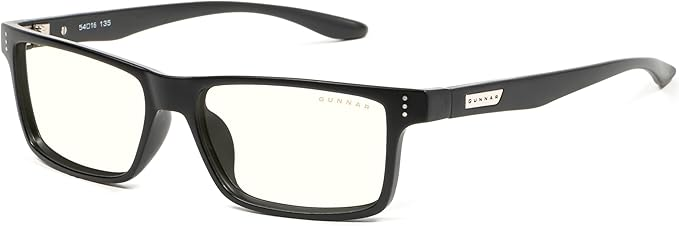
Reduce digital strain, protect against screen glare, and support healthy visual habits for adults working long hours.
- Blocks harmful blue light
- Perfect for office & gaming
- Improves night sleep quality
👀 Symptoms of Screen-Induced Myopia
You may be developing screen-induced myopia if you experience:
- blurred distance vision after computer use
- squinting to see TV, signs, or faces far away
- headaches behind the eyes
- eye strain and heavy/tired eyes
- worsening night vision
- double vision after long screen sessions
- difficulty seeing road signs while driving
If untreated, it tends to progress gradually.
🔬 What Screens Do to the Eye — The Science
Myopia occurs when:
- the eyeball elongates
or - the cornea becomes too curved
Screens contribute through:
- chronic near focusing (“near work”)
- reduced dopamine release in the retina
- altered circadian rhythm
- ciliary muscle spasm
- lack of outdoor bright light exposure
Bright outdoor light naturally releases dopamine, which prevents eye elongation.
Indoor LED light does not. Recent studies tracked by the National Institutes of Health (NIH) suggest that axial elongation is no longer limited to the developmental years
🏥 When Screen-Induced Myopia Becomes Dangerous
Untreated progressive myopia increases long-term risks:
- retinal detachment
- glaucoma
- cataracts
- macular degeneration
- vision loss
If you notice:
- flashes
- a curtain / shadow
- sudden floater explosion
seek urgent care immediately.
🩺 Diagnosis
Your eye doctor may perform:
- visual acuity testing
- refraction test
- fundus exam
- axial length measurement
- retinal scan
Axial length increase confirms structural progression.
💆 Eye Massager for Digital Strain & Relief
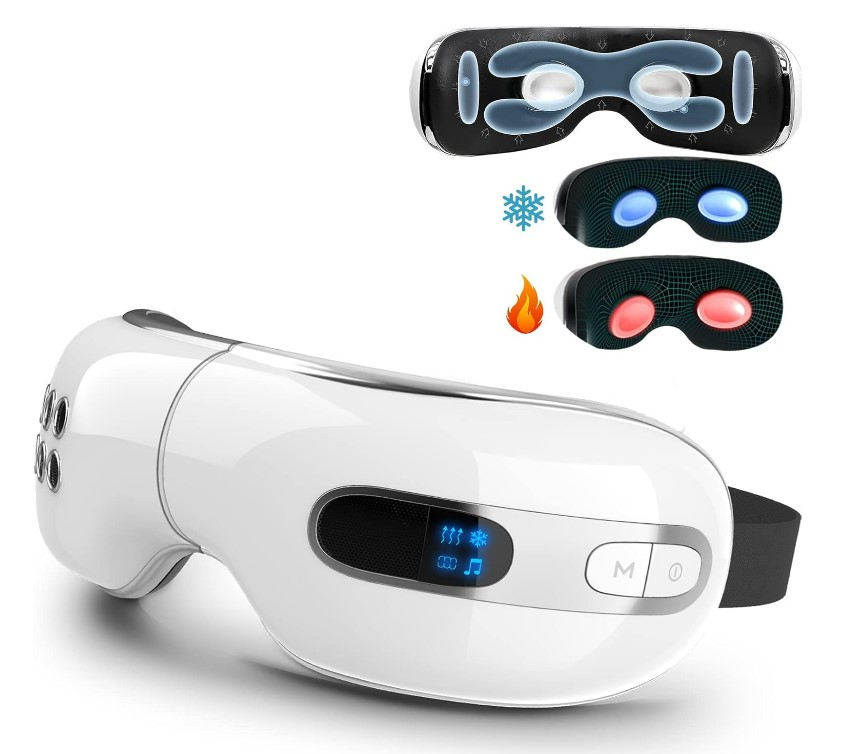
Warm compression and vibration help relax tired eye muscles after long screen sessions and improve blood circulation around the eyes.
- Reduces eye strain & headache
- Supports deep sleep improvement
- Ideal for office workers & gamers
💊 Treatment Options
✔️ Prescription glasses or contacts
✔️ Orthokeratology (Ortho-K night lenses)
✔️ Atropine drops (low dose)
✔️ Lifestyle retraining
🧭 Evidence-Based Prevention Protocol
🔹 20–20–20 rule
Every 20 minutes, look 20 feet away for 20 seconds.
🔹 2–hour outdoor rule
Get 2 hours of daylight daily.
🔹 Increase text size – NO squinting
🔹 Limit near work < 30cm distance
🔹 Use proper lighting
🔹 Blue light hygiene
Night mode after 7PM. No screens in bed.
👉 Digital Eye Strain
👉 Best Computer Glasses 2026
👉 Screen Time & Kids’ Eyes
👉 Sleep & Vision
FAQ Content
Q1: What is screen-induced myopia?
Screen-induced myopia refers to the development or progression of nearsightedness caused by prolonged near-work activities such as smartphones, tablets, computers, and gaming.
Q2: Can adults really become nearsighted from screens?
Yes. While myopia is common in childhood, research shows that adults who work long hours on screens at close viewing distances can also develop or worsen myopia.
Q3: Does blue light cause myopia?
Blue light does not directly cause myopia, but it contributes to digital eye strain, poor sleep, and reduced blinking which indirectly influences eye health and near-focus stress.
Q4: How many hours of screen time is considered risky?
More than 2–3 hours daily at close distance without breaks significantly increases myopia risk. Risk increases steeply past 6+ hours/day.
Q5: Can screen-induced myopia be reversed?
No — structural myopia cannot be reversed. However, progression can be slowed or stopped with lifestyle changes, outdoor light exposure, and proper optics.
Q6: How can I prevent screen-induced myopia?
- follow the 20-20-20 rule
- increase natural outdoor light exposure
- avoid prolonged close-distance viewing
- use correct prescription lenses
- manage sleep and screen habits
Q7: Do eye exercises cure myopia?
Eye exercises reduce strain, but they do not cure myopia. They are useful to relax muscles, not to change eye length.
Q8: Do blue-light glasses help?
They may improve comfort, headaches, and sleep quality. They do not stop myopia, but they reduce strain during digital tasks.
🏁 Conclusion
Screen-induced myopia is not just a childhood disease anymore — it is a modern adult epidemic driven by digital lifestyles. The good news is that by restoring outdoor light exposure, practicing visual hygiene, using proper lenses, and reducing excessive near work, you can slow or completely stop progression.
Your eyes are biological, not digital. Treat them that way.
A Note from the Founder
"I started CVT because eye health is personal to me. After losing sight in my left eye due to a childhood injury and managing high intraocular pressure for decades, I’ve dedicated my life to finding the best ways to protect the vision we have. Every piece of advice on this site is researched with that same level of care and responsibility. Thank you for being here."