Introduction
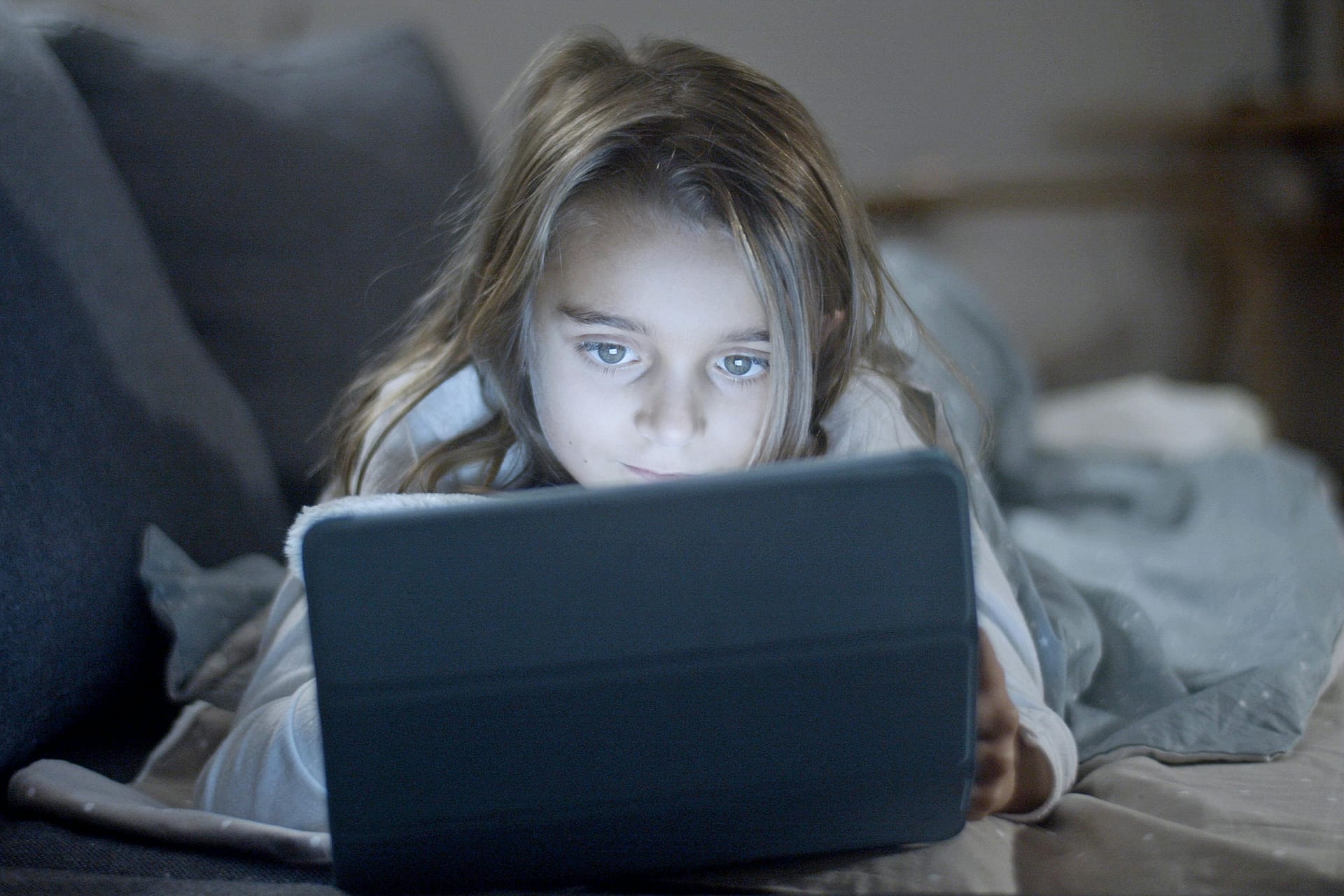
Screen time and childrens sleep are locked in a complex biological battle that many modern parents are only just beginning to understand. Screens have become a central part of modern childhood. From tablets and smartphones to smart TVs and laptops, children are exposed to digital devices earlier than ever before. While screens can provide educational benefits and entertainment, overuse—especially before bedtime—can negatively affect both eye health and sleep quality.
Children’s eyes are still developing, making them more sensitive to blue light and digital strain than adults. At the same time, healthy sleep is essential for learning, growth, and overall well-being. This article explores the science behind how screen time impacts children’s eyes and sleep, and provides practical, evidence-based strategies parents can use to protect their kids. Screen time and childrens sleep are more closely linked than most parents realize, creating a biological conflict that can affect a child’s development. As digital devices become bedtime companions, the impact on melatonin and eye strain is reaching critical levels; to understand the full scope of pediatric vision care, explore our Eye Care for All Ages HUB.
1. The Science of Sleep and Vision
Sleep and eye health are deeply connected. The body relies on circadian rhythms, biological processes regulated by light and darkness. Exposure to natural daylight triggers alertness, while evening darkness signals the brain to release melatonin, the hormone that promotes sleep.
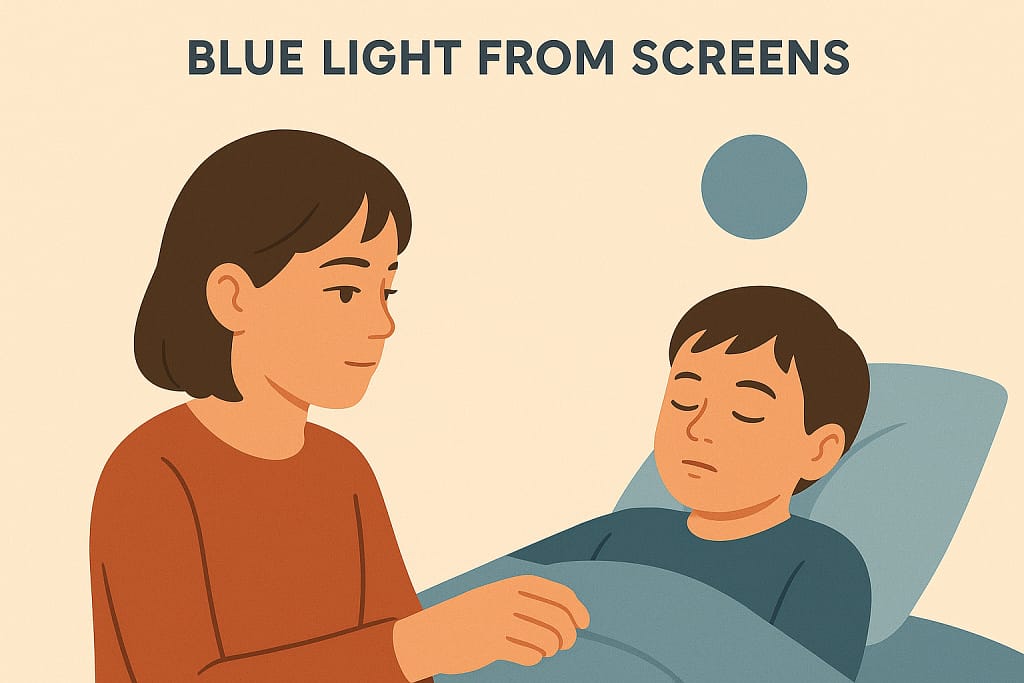
Screens disrupt this natural process. Digital devices emit blue light, which mimics daylight and suppresses melatonin production. According to research shared by the Sleep Foundation, blue light exposure from screens significantly delays the release of melatonin, making it much harder for children to fall into a deep, restorative sleep. Studies show that children are more vulnerable than adults because:
- Their pupils are larger, letting in more light.
- The lens of a child’s eye filters less blue light compared to an adult’s.
- Their circadian rhythm is more easily shifted by late-night exposure.
2. Why Screen Time and Childrens Sleep Cause Eye Strain
Beyond sleep disruption, late-night screen use also affects the eyes directly.
Digital Eye Strain in Kids
- Blurred or fluctuating vision
- Dry eyes from reduced blinking
- Headaches or eye pain
- Difficulty focusing at school
At night, these symptoms are often worse because children are using screens in low-light environments, which forces the eyes to strain even more.
Connection to Sleep: When eyes are fatigued and strained, children may struggle to relax enough to fall asleep. Over time, this cycle of late-night screen use, poor sleep, and visual fatigue becomes self-perpetuating.
Sleep Needs vs. Screen Curfews
| Age Group | Recommended Sleep | Suggested Tech Curfew |
| Toddlers (1-2y) | 11–14 Hours | No screens at all |
| Preschool (3-5y) | 10–13 Hours | 2 Hours before bed |
| School Age (6-12y) | 9–12 Hours | 90 Mins before bed |
| Teens (13-18y) | 8–10 Hours | 60 Mins before bed |
3. Long-Term Effects of Screen Overuse at Night
The consequences of screen-induced poor sleep extend beyond bedtime.
- Myopia progression: Lack of quality sleep is linked to faster onset of nearsightedness.
- Reduced cognitive performance: Children who sleep less perform worse in memory and focus tasks.
- Behavioral issues: Irritability, mood swings, and difficulty concentrating are common.
- Weakened immune system: Sleep is critical for growth hormone release and repair processes.
📌 Did You Know?
Children who use digital devices within 1 hour before bedtime are 55% more likely to experience insomnia and reduced REM sleep.
The “Invisible” Impact: Why Melatonin Matters
The primary reason screen time and childrens sleep are at odds is the suppression of melatonin. In children, the pineal gland is highly sensitive to short-wavelength blue light. When a child uses a tablet at night, their brain receives a “daytime” signal, delaying the sleep onset by up to 90 minutes. This isn’t just about being “tired”—it’s about the brain missing its window for deep cellular repair and memory consolidation.
The Cycle of Near-Work and Night Glare
Beyond biology, screen time and childrens sleep suffer from physical strain. Using a bright screen in a dark room creates high contrast glare, which forces the ciliary muscles in the eye to overwork. This leads to “accommodative spasm,” where the child’s eyes stay locked in a near-focus state, making it even harder for their nervous system to shift into a relaxed, sleep-ready mode.
4. Practical Rules for Parents
The good news is that parents can significantly reduce risks with consistent habits.
1. Establish a Tech Curfew
No screens 1–2 hours before bedtime. Replace them with calm, offline activities.
2. Keep Devices Out of Bedrooms
Children should not sleep with phones, tablets, or laptops nearby.
3. Encourage Outdoor Morning Light
Morning sunlight exposure resets circadian rhythm and supports eye development.
4. Adjust Device Settings
Enable “night shift” or “blue light filter” mode in the evenings.

Anti-Blue Light Screen Protector
A vital tool for screen time and childrens sleep management. This filter blocks harmful HEV light directly at the source, protecting your child’s eyes and helping preserve their natural sleep cycle.
5. Model Healthy Behavior
Children mimic parents—if you use your phone in bed, they’ll want to as well.
5. Building a Healthy Evening Routine
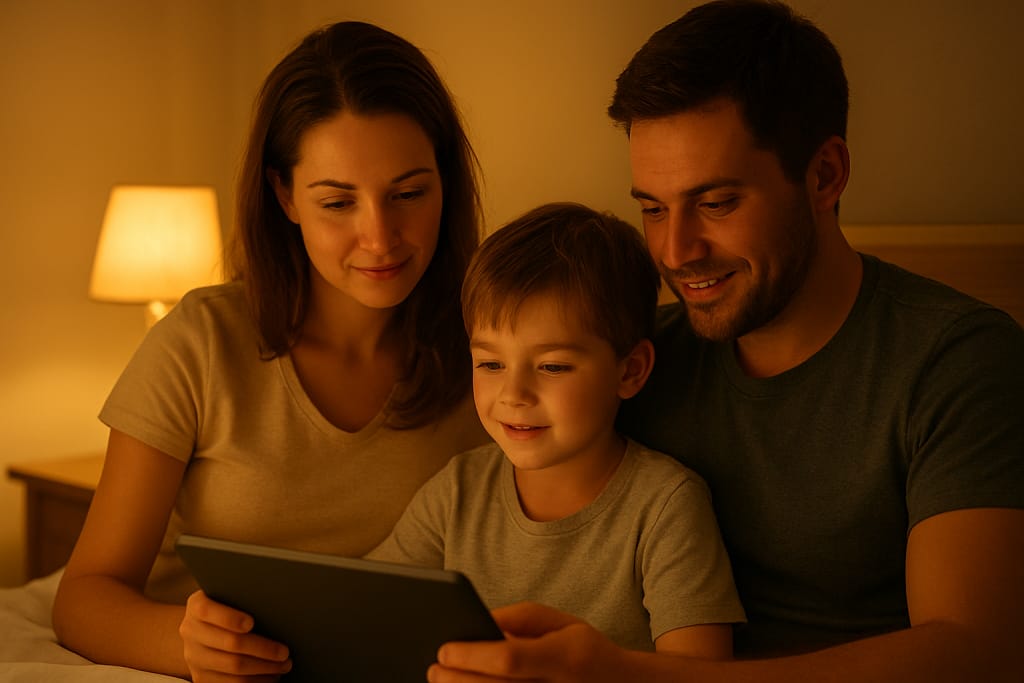
Consistency is key. A predictable evening routine teaches children’s brains when to wind down.
Ideas for screen-free activities:
- Reading together as a family
- Gentle stretching or yoga
- Listening to calm music or audiobooks
- Creative activities (drawing, puzzles)
The lighting environment also matters: warm, dim lighting promotes melatonin release, while bright LEDs or phone screens delay it.
📌 Did You Know?
Children need 9–12 hours of sleep per night, but studies show most school-aged kids get at least 2 hours less than recommended.
6. When to Seek Professional Help
Parents should consider professional evaluation if their child:
- Regularly struggles to fall asleep despite healthy routines
- Shows persistent signs of eye strain
- Has frequent headaches linked to screen use
- Exhibits sudden changes in school performance or mood
Eye exams are recommended:
- At 6 months
- At age 3
- Before starting school
- Every 1–2 years afterward
FAQ Section
Q1: How does screen time and childrens sleep affect overall health?
A1: The relationship between screen time and childrens sleep is critical. Poor sleep caused by blue light can lead to a weakened immune system, behavioral issues, and even accelerate myopia (nearsightedness) progression.
Q2: Can blue light glasses fix the issues caused by screen time and childrens sleep?
A2: While glasses can reduce digital eye strain, they are not a substitute for a tech curfew. For the best results in screen time and childrens sleep management, you should still turn off all devices at least one hour before bed.
Q3: My child holds a phone very close to their face—should I worry?
A3: Yes. It could indicate myopia (nearsightedness). Schedule an eye exam.
Q4: How many hours of sleep do school-aged kids need?
A4: Between 9–12 hours each night, depending on age.
Conclusion
Technology is not the enemy—unbalanced habits are. Late-night screen use disrupts children’s sleep, strains their eyes, and impacts long-term health. Parents can protect their children by setting clear rules: no screens before bed, outdoor play during the day, and consistent sleep routines.
By making small, consistent changes today, you’re safeguarding not just your child’s vision, but their overall health and development.
A Note from the Founder
"I started CVT because eye health is personal to me. After losing sight in my left eye due to a childhood injury and managing high intraocular pressure for decades, I’ve dedicated my life to finding the best ways to protect the vision we have. Every piece of advice on this site is researched with that same level of care and responsibility. Thank you for being here."

