🟦 INTRODUCTION
Exploring the connection between sleep and eye health is a critical step for anyone looking to optimize their vision naturally. While we often focus on nutrition or screens, your nightly rest is when the real recovery happens. To see how these habits fit into your overall routine, visit our Vision Health Basics: Complete Guide to Eye Care & Nutrition, where we integrate lifestyle habits with ocular wellness.
In this complete guide, you’ll learn:
- how sleep repairs the eyes
- why poor sleep worsens dry eye and eye strain
- how melatonin, magnesium, and omega-3 affect vision
- practical routines and supplements that actually work
This article is written for real people — not doctors — and focuses on practical, safe, and proven strategies.
🔹 1. What Happens to Your Eyes During Sleep and Eye Health Recovery
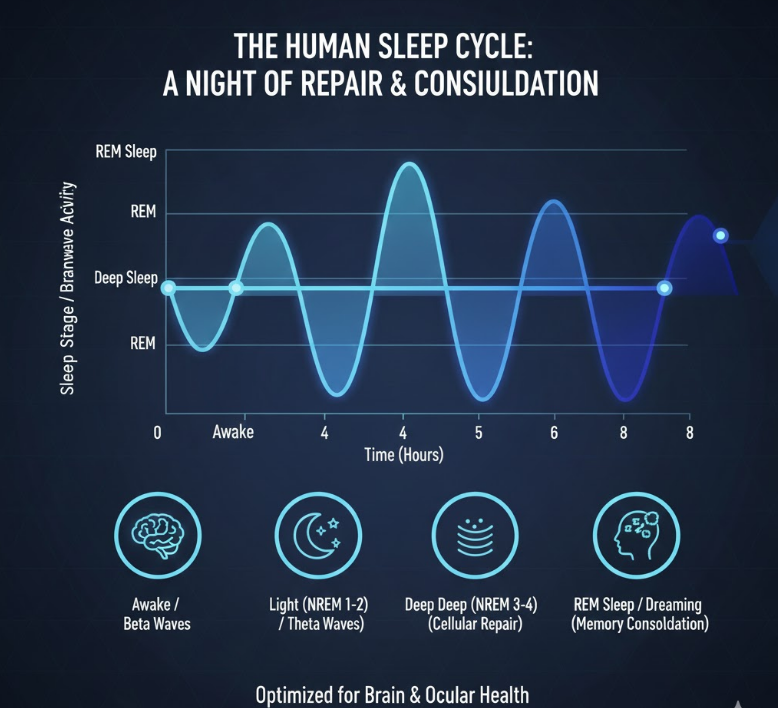
During sleep, your visual system enters repair mode.
Key processes that happen at night:
- regeneration of the tear film
- repair of corneal micro-damage
- reduction of ocular inflammation
- reset of eye-brain signaling
Your eyes rely on deep sleep and REM sleep to recover from daily stress.
🔹 2. Why Poor Sleep Causes Dry Eyes & Blurry Vision
When sleep is disrupted:
- tear production decreases
- inflammation markers increase
- meibomian glands clog more easily
This explains why many people experience:
- dry eyes in the morning
- “filmy” or fluctuating vision
- burning or gritty sensation
People who sleep less than 6 hours per night have up to 2× higher risk of chronic dry eye compared to good sleepers.
🔹 3. The Role of Melatonin in Eye Health
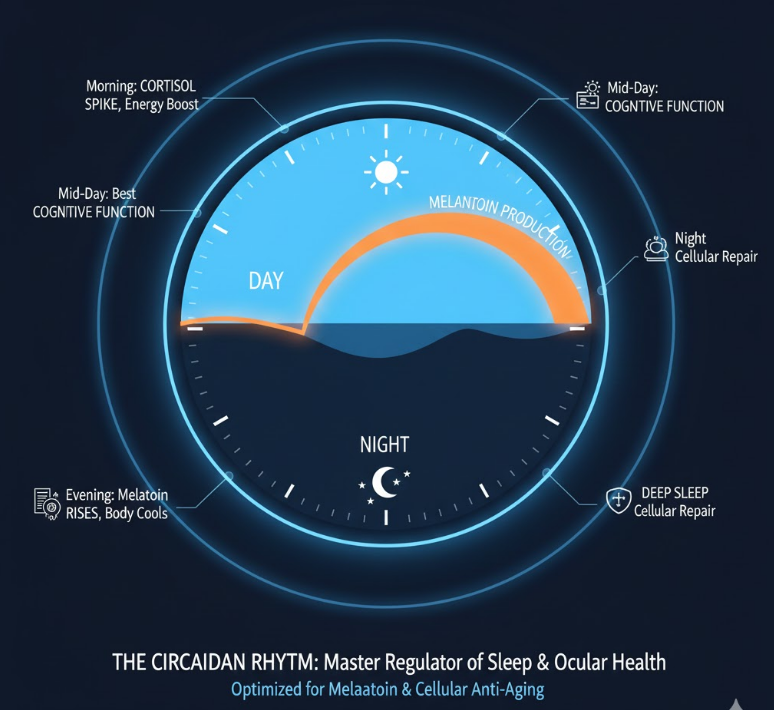
Melatonin isn’t just a sleep hormone.
Your eyes have melatonin receptors in:
- the retina
- the cornea
- the lacrimal (tear) glands
Proper melatonin signaling:
- protects retinal cells
- reduces oxidative stress
- improves nighttime eye lubrication
Artificial light at night blocks melatonin, delaying eye recovery.
🔹 4. Screens, Blue Light & Nighttime Eye Damage
Using screens late at night causes:
- delayed sleep onset
- reduced REM sleep
- increased eye dryness
Blue light exposure at night keeps your visual system in “day mode”.
Practical fixes:
- stop screens 60 minutes before bed
- use blue-light-blocking glasses after sunset
- enable night mode on all devices
🔹 5. Supplements to Support Sleep and Eye Health (What Actually Works)
A) Melatonin (Low Dose Only)
- improves sleep onset
- supports retinal repair
Best dose: 0.3–1 mg
Avoid high doses (3–5 mg) long-term.
B) Magnesium (Glycinate or Threonate)
- relaxes eye muscles
- reduces nighttime eye twitching
- improves sleep depth
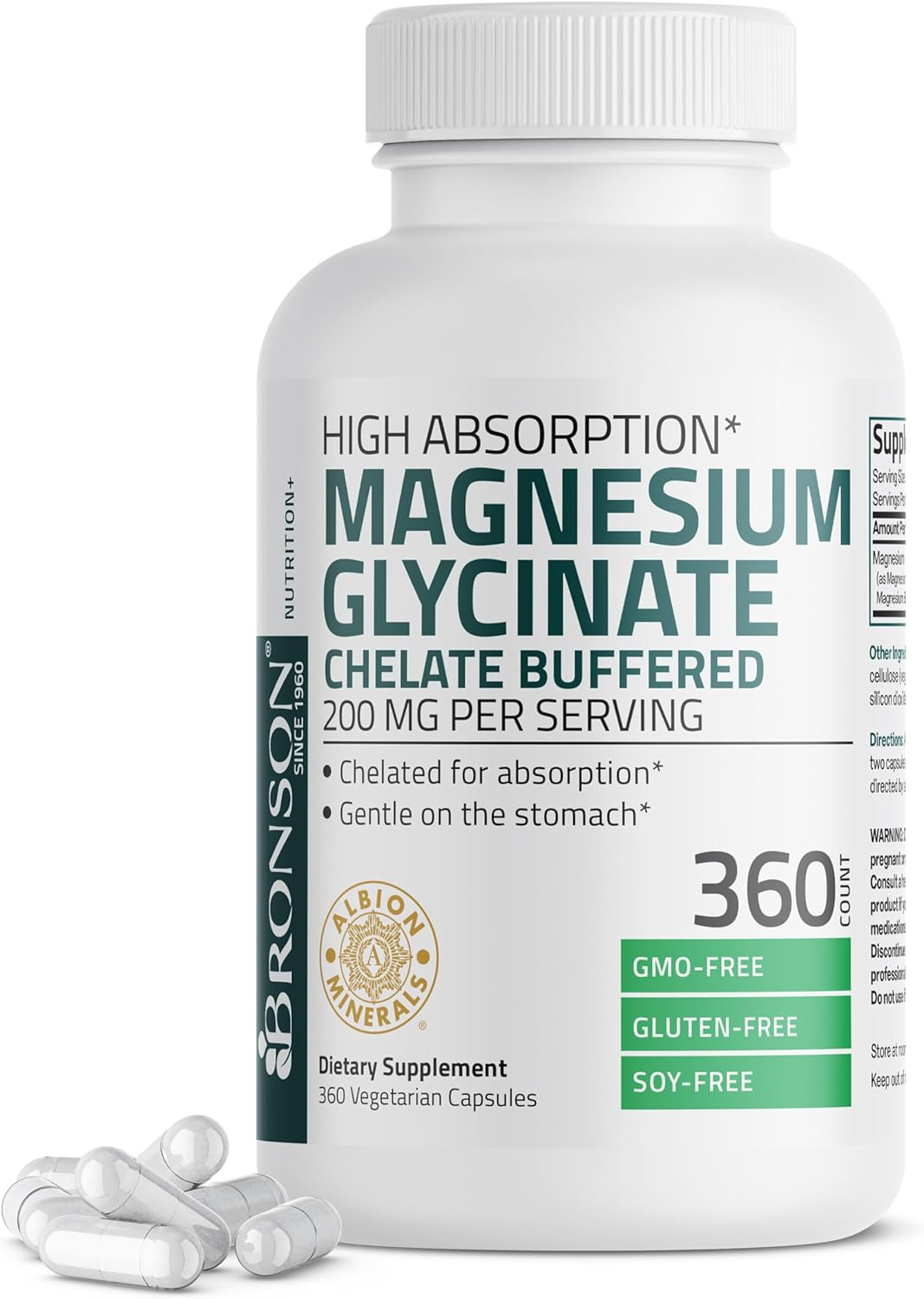
A highly bioavailable form of magnesium designed to calm the nervous system and relax ocular muscles for deeper recovery.
Check Price on AmazonC) Omega-3 (EPA + DHA)
- improves tear quality
- reduces eye inflammation
- supports meibomian gland function
🔹 6. Nighttime Habits That Damage Your Eyes
Avoid:
- sleeping with contact lenses
- sleeping in dry, air-conditioned rooms
- alcohol before bed
Use:
- humidifier (40–50%)
- preservative-free night eye gel if needed
🔹 7. Sleep Disorders That Affect Vision
Conditions linked to eye problems:
- sleep apnea
- chronic insomnia
- night shift work
Sleep apnea is strongly associated with:
- glaucoma
- floppy eyelid syndrome
- optic nerve damage
🟦 DID YOU KNOW
Did You Know?
Sleep apnea increases glaucoma risk independently of eye pressure, likely due to repeated oxygen deprivation.
🔹 8. Morning Eye Problems Explained
Waking up with:
- dry eyes
- redness
- blurry vision
often means:
- incomplete eyelid closure
- poor tear quality
- mouth breathing at night
Solutions:
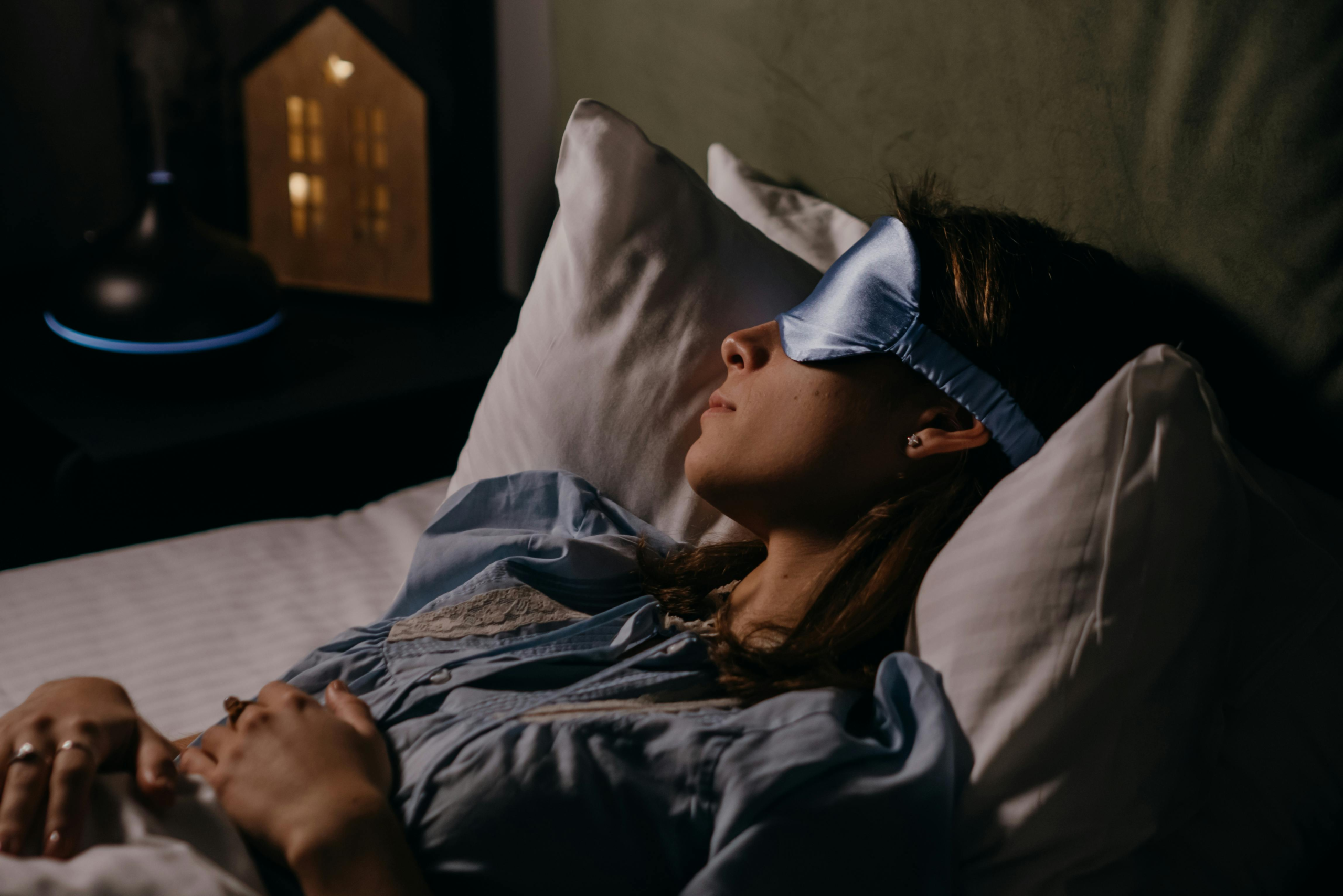
- sleep mask
- eyelid hygiene
- omega-3 supplementation

🔹 9. The Ideal Routine for Better Sleep and Eye Health (Simple & Effective)
60 minutes before bed:
- dim lights
- stop screens
- take magnesium
30 minutes before bed:
- melatonin (if needed)
- eye hydration drops
Bedroom setup:
- cool (18–20°C)
- dark
- humidified
🔹 10. When to See an Eye Doctor
Seek evaluation if you have:
- worsening morning blurry vision
- eye pain after poor sleep
- halos or light sensitivity
🔹 FAQ SECTION (Featured Snippet Optimized)
Q1: How does sleep and eye health affect morning dryness?
A: The relationship between sleep and eye health is centered on hydration. During deep rest, your eyes replenish the tear film. If your sleep is interrupted, this process fails, leading to the common “gritty” feeling and redness in the morning.
Q2: Can improving my sleep and eye health fix blurry vision?
A: Yes, many cases of fluctuating vision are caused by exhaustion of the ocular muscles and tear film instability. Prioritizing sleep and eye health allows these muscles to relax and the cornea to rehydrate, often resulting in sharper focus.
Q3: Does melatonin play a role in sleep and eye health?
A: Melatonin is vital for sleep and eye health because the retina actually has its own melatonin receptors. It acts as an antioxidant that protects your eyes from oxidative stress while you rest.
Q4: Is digital eye strain linked to poor sleep and eye health?
A: Absolutely. Blue light exposure disrupts your circadian rhythm, which in turn damages sleep and eye health. Using screens late at night prevents the eyes from entering their essential repair mode.
Q5: What are the best habits for long-term sleep and eye health?
A: To optimize sleep and eye health, you should maintain a cool room temperature, use a humidifier, and avoid screens at least 60 minutes before bed to allow for natural melatonin production.
🔹 CONCLUSION
Sleep and eye health are inseparable. If you want clearer vision, healthier eyes, and less dryness, improving your sleep may be the most overlooked but powerful solution.
Small changes — better sleep hygiene, proper supplements, and light control — can make a visible difference in how your eyes feel every day.
Your eyes don’t just need rest — they need quality sleep.
A Note from the Founder
"I started CVT because eye health is personal to me. After losing sight in my left eye due to a childhood injury and managing high intraocular pressure for decades, I’ve dedicated my life to finding the best ways to protect the vision we have. Every piece of advice on this site is researched with that same level of care and responsibility. Thank you for being here."