

Introduction: The Silent Fire That is Destroying Your Vision
In the world of biohacking and longevity, securing your Mitochondrial Eye Health is emerging as the single most critical strategy for preventing age-related vision loss. We often attribute vision loss to simple aging, but science points to a more specific culprit: Inflammaging. This term describes the chronic, low-grade, sterile inflammation that silently drives cellular aging throughout the body, attacking organs with the highest metabolic demands—chief among them, the eyes.
The link between Systemic Inflammation Eye Health is no longer a theory; it is the central mechanism behind age-related macular degeneration (AMD), the progression of glaucoma, and treatment-resistant chronic dry eye. Ignoring this pervasive “silent fire” means accepting inevitable vision decline.
This comprehensive guide is your anti-aging vision blueprint. We will decode how systemic inflammation impacts your eyes, expose the root causes (diet, stress, environment), and provide the definitive Anti-Inflammatory Vision Protocol—a powerful biohacking strategy designed to extinguish the fire and secure your vision longevity.
Decoding Inflammaging: The Root Cause of Ocular Senescence
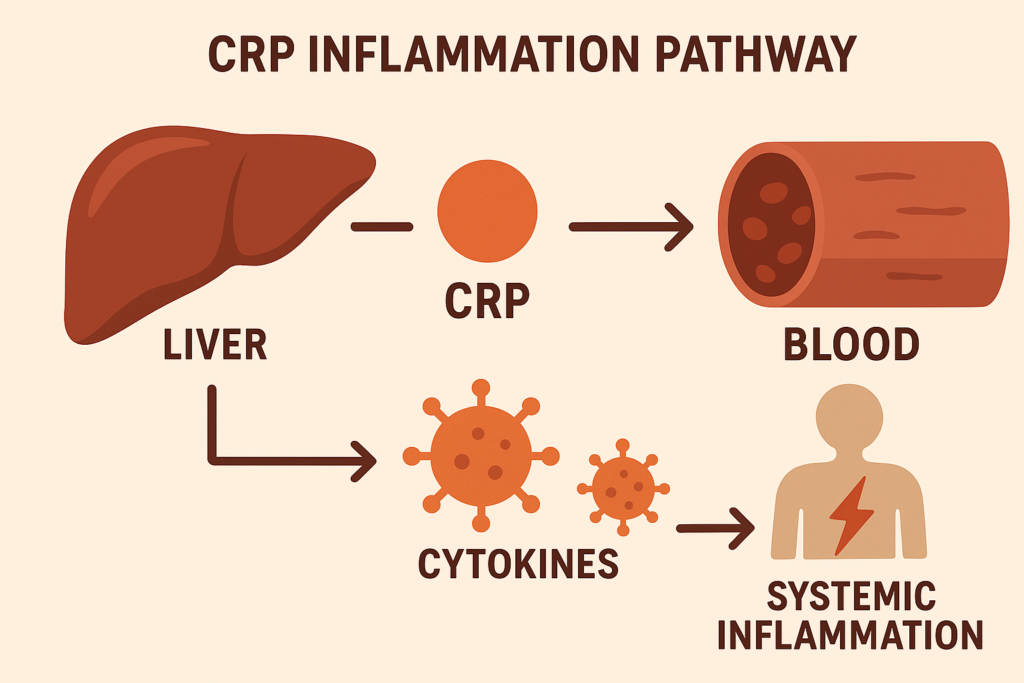
Inflammaging is not an acute immune response (like fighting a cold); it’s a chronic, continuous state of activation caused by the constant leakage of inflammatory signals from compromised barriers (like the gut) and accumulating cellular waste products (senescent cells).
The Inflammatory Cascade and Ocular Tissues
The inflammation pathway directly affects the most vulnerable parts of the eye:
- The Retina (AMD): Chronic inflammation accelerates the death of Retinal Pigment Epithelial (RPE) cells, disrupting the waste clearance process. This leads to drusen formation and the pathological changes of AMD.
- The Optic Nerve (Glaucoma): Inflammation exacerbates neurodegeneration. In glaucoma, systemic inflammatory markers create a toxic microenvironment around the optic nerve head, making the cells more susceptible to damage from intraocular pressure (IOP) fluctuations.
- The Tear Film (Dry Eye): The lacrimal and meibomian glands are highly sensitive to systemic immune signals. Chronic inflammation is the key factor in aqueous deficiency and Meibomian Gland Dysfunction (MGD), leading to severe, chronic dry eye that doesn’t respond to simple tears.
The Two Biggest Triggers of Ocular Inflammation
Understanding the source of the fire is the first step to extinguishing it.
- Trigger 1: Diet and the Gut: As detailed in our Gut-Eye Axis article, pro-inflammatory foods (sugar, processed oils, processed meats) compromise the intestinal barrier, causing inflammatory molecules (like lipopolysaccharides or LPS) to flood the system. This gut-driven inflammation is the number one driver of poor Systemic Inflammation Eye Health.
- Trigger 2: Advanced Glycation End Products (AGEs): These are toxic compounds formed when proteins or fats react with sugars (glycation). AGEs accumulate with age, especially in the lens and retina, and are powerful inflammatory agents that directly accelerate cataract formation and retinal aging.
DID YOU KNOW? Studies have shown a strong correlation between high levels of CRP (C-Reactive Protein, a common blood marker for inflammation) and the incidence and progression of both Age-related Macular Degeneration (AMD) and Chronic Dry Eye. This confirms that systemic inflammation is directly driving ocular disease, not just age.
(Source: For detailed research on CRP and ocular disease, consult the Investigative Ophthalmology & Visual Science Journal , which links systemic inflammation biomarkers to AMD risk.)
The Anti-Inflammatory Vision Protocol: Essential Supplements
To effectively combat Inflammaging, we need supplements that target inflammation, neutralize free radicals, and rebuild cellular integrity.
1. Omega-3 Fatty Acids (The Foundational Anti-Inflammatory)
The critical components, EPA and DHA, are precursors to specialized pro-resolving mediators (SPMs) that actively shut down inflammation. Supplementing with high-potency Omega-3s is essential for stabilizing the blood-retinal barrier and significantly improving tear film quality, directly combating chronic dry eye and retinal inflammation.
2. Curcumin (The NF-κB Blocker)
Curcumin, the active compound in turmeric, is a powerful inhibitor of the NF-κB pathway—the master switch for systemic inflammation. By blocking NF-κB signaling, bioavailable Curcumin effectively suppresses the inflammatory cycle that drives RPE cell damage and optic nerve stress, offering powerful cellular protection for Systemic Inflammation Eye Health.
3. Astaxanthin (The Retinal Protector)
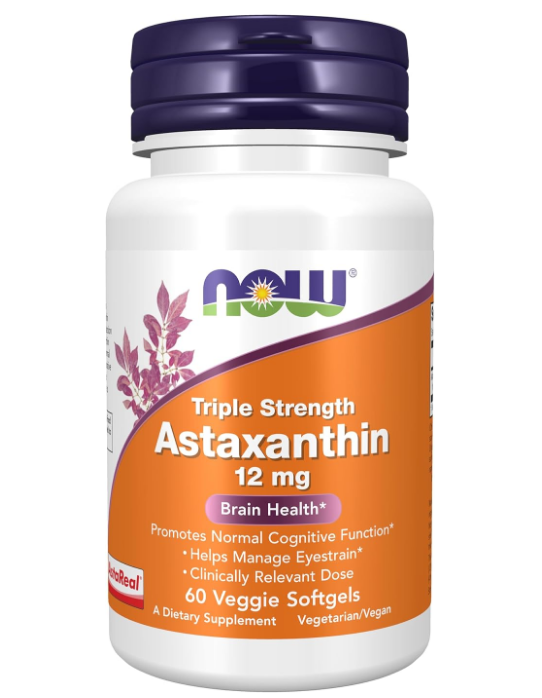
Known as the “King of Carotenoids,” Astaxanthin is vastly more potent than Vitamin E at quenching free radicals, and its unique structure allows it to span the entire cell membrane. This enables it to cross the blood-retinal barrier and directly shield the delicate photoreceptors and mitochondria from the oxidative stress fueled by inflammaging.
4. Lutein and Zeaxanthin (The Ocular Blue Light Filter)
While known for filtering harmful blue light, these macular carotenoids are also potent anti-inflammatory agents that accumulate in the retina to physically absorb free radicals. Consistently high levels of Lutein and Zeaxanthin are crucial for protecting the macula against the chronic, low-grade inflammatory damage that leads to AMD.
FEATURED PROTOCOL: THE ANTI-INFLAMMATORY VISION TRIO
Target Inflammaging at the root with a clinical-grade blend of Omega-3 (high EPA/DHA), Curcumin, and Astaxanthin. This combination is essential for reducing systemic markers that drive AMD and chronic dry eye, supporting **Systemic Inflammation Eye Health**.
 See The Top-Rated Vision Blend →
The Silent Stressors: Cortisol, Sleep, and Ocular Inflammation
The conversation about **Systemic Inflammation Eye Health** is incomplete without discussing the silent disruptors: chronic stress and poor sleep. These factors don’t just affect your mood; they actively signal your body to stay in an inflammatory state.
A. Cortisol and Chronic Stress
When you are stressed, your body releases cortisol, the primary stress hormone. While cortisol is initially anti-inflammatory, chronic, sustained high levels of cortisol lead to **cortisol resistance**. This means immune cells become deaf to cortisol’s regulatory signals, resulting in uncontrolled inflammatory responses that directly feed into inflammaging and accelerate damage to retinal and optic nerve cells. Stress management is not a luxury; it is a clinical requirement for visual longevity.
B. Sleep Deprivation and Incomplete Repair
Sleep is the primary time your body performs cellular housekeeping and resolves the inflammation accumulated during the day. Sleep deprivation prevents the full resolution of inflammatory cycles. Studies link consistent lack of sleep to elevated markers like CRP (C-Reactive Protein), demonstrating a direct inflammatory state that prevents the resolution of ocular conditions like chronic dry eye and slows retinal repair.
Your Anti-Inflammatory Kitchen Staples: Daily Vision Protection
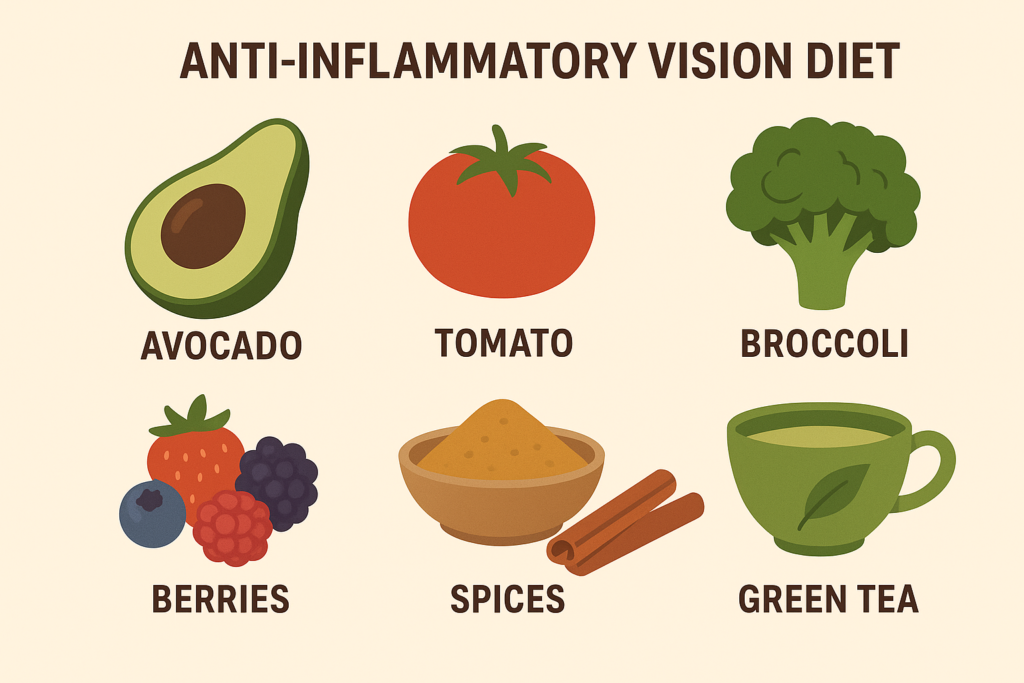
The most powerful tools against **Systemic Inflammation Eye Health** are already in your kitchen. Prioritize these staples to create an anti-inflammatory baseline:
- Dark Leafy Greens (Spinach, Kale): Rich in Lutein and Zeaxanthin, which act as natural anti-inflammatory filters for the macula, physically shielding against oxidative damage.
- Wild-Caught Fatty Fish (Salmon, Sardines): The best dietary source of Omega-3s (EPA/DHA) necessary for producing inflammation-resolving molecules.
- Berries (Blueberries, Raspberries): Packed with anthocyanins, powerful antioxidants that improve blood flow to the retina and reduce inflammatory signaling.
- Turmeric and Ginger: These spices contain Curcumin and Gingerol, natural compounds that actively block NF-κB, the master switch for inflammation.
- Nuts and Seeds (Walnuts, Flaxseeds): Provide healthy fats, fiber, and Vitamin E, which protects cell membranes (including those in the eye) from inflammatory free radicals.
Frequently Asked Questions (FAQ) About Systemic Inflammation Eye Health
1. What blood tests confirm issues with Systemic Inflammation Eye Health?
The most effective markers for monitoring **Systemic Inflammation Eye Health** are **High-Sensitivity C-Reactive Protein (hs-CRP)** and **Homocysteine**. Elevated levels indicate low-grade inflammation that directly degrades ocular tissues.
2. Can managing Systemic Inflammation Eye Health reverse vision loss?
While advanced damage is hard to reverse, optimizing your **Systemic Inflammation Eye Health** can **significantly halt the progression** of chronic diseases like AMD and drastically improve symptoms of dry eye and MGD[cite: 14, 18, 20].
3. Which supplements best support Systemic Inflammation Eye Health?
High-quality Omega-3s (EPA/DHA), Lutein, and Zeaxanthin are essential for **Systemic Inflammation Eye Health**[cite: 7, 21]. Look for pure triglyceride forms with at least 1,500mg of total Omega-3 to effectively target ocular inflammation.
4. How does diet impact Systemic Inflammation Eye Health?
An anti-inflammatory diet rich in antioxidants, leafy greens, and healthy fats is the foundation of long-term **Systemic Inflammation Eye Health**, reducing the risk of cataracts and age-related macular degeneration[cite: 7, 14].
Conclusion: Extinguish the Fire, Preserve Your Sight
The battle for long-term vision is not against the clock; it is against the chronic, corrosive state of **Systemic Inflammation**—the silent fire known as Inflammaging. Ignoring this underlying systemic issue means accepting vision loss driven by cellular damage to the retina, optic nerve, and tear film.
By embracing the Anti-Inflammatory Vision Protocol—fortifying your defense with targeted supplements like Omega-3 and Curcumin, healing the gut, and managing silent stressors like sleep and cortisol—you gain unparalleled control over your ocular destiny. This protocol is the ultimate biohacking strategy for longevity. Extinguish the inflammatory fire today and secure your sight for decades to come.
A Note from the Founder
"I started CVT because eye health is personal to me. After losing sight in my left eye due to a childhood injury and managing high intraocular pressure for decades, I’ve dedicated my life to finding the best ways to protect the vision we have. Every piece of advice on this site is researched with that same level of care and responsibility. Thank you for being here."