

Introduction
The world is changing at the speed of light — and so is the way we care for our eyes. As we navigate this technological shift, understanding the future of digital eye health becomes essential for anyone looking to optimize their visual performance; for more on current tech solutions, check our Blue Light & Screen Protection HUB.
From AI-powered diagnostics and wearable devices to tele optometry and personalized digital health apps, technology is revolutionizing how we monitor and protect our vision.
Digital transformation in healthcare is no longer limited to hospitals. It’s entering our homes, phones, and even our eyeglasses. For eye health, this shift means earlier detection, more efficient prevention, and a more personalized understanding of visual wellness.
In this in-depth guide, we’ll explore how the next decade of digital technology is shaping the future of eye care — and what it means for you.
1. The Rise of Digital Eye Health
The concept of digital eye health goes beyond traditional eye care. It includes:
- AI-based eye diagnostics
- Vision-tracking software
- Digital wellness monitoring
- Blue light management
- Smart glasses and wearable vision tech
It represents a global shift from reactive treatment to proactive prevention.
The Driving Forces Behind the Revolution
- Aging populations with higher risk of eye disease
- Increased screen use leading to digital eye strain
- Telemedicine expanding access to remote eye care
- AI and machine learning enabling faster, more accurate diagnoses
By 2035, experts predict that more than 70% of vision screenings will be conducted digitally, supported by AI and cloud-based systems.
2. AI and Machine Learning: The Digital Doctors for Your Eyes
Artificial intelligence is the engine behind modern digital eye care.
AI-driven tools can analyze retinal images, detect early signs of disease, and even predict future risk factors.
AI-Powered Eye Scans
Systems like Google’s DeepMind and IDx-DR can analyze retinal images with over 90% accuracy, detecting:
- Diabetic Retinopathy
- Glaucoma
- Macular Degeneration
- Retinal Detachment
These tools provide near-instant analysis and can alert patients long before symptoms occur — a life-changing innovation for millions in underserved areas. The rapid evolution of these algorithms is documented by the World Health Organization (WHO), which highlights how digital tools are essential for reducing global visual impairment.
AI + Preventive Care
AI doesn’t just diagnose — it learns.
Over time, algorithms improve by analyzing patterns across populations, predicting which lifestyle factors most affect your risk of vision loss.
3. Smart Glasses, Contact Lenses, and Digital Vision Enhancement
Wearable technology is merging vision correction with data-driven performance.
Smart Glasses
Modern smart glasses go far beyond reading displays:
- Real-time blue light adjustment
- Posture correction alerts
- Eye strain detection
- Integration with fitness trackers
Companies like VSP Vision and Meta are developing AR eyewear that adapts brightness and contrast automatically — reducing fatigue and optimizing comfort for long work hours.
| Technology | Main Benefit | Expected Mass Adoption |
| AI Retinal Scans | Instant early disease detection | 2026 – 2027 |
| Smart Contact Lenses | Real-time glucose & IOP tracking | 2028 – 2030 |
| AR Biofeedback | Automatic blue light adjustment | Available Now |
| Neural Prosthetics | Vision restoration for the blind | 2030+ |
Smart Contact Lenses
The next frontier: bio-sensing lenses that measure glucose levels, hydration, and eye pressure — transmitting real-time data to a connected app.
Imagine your contact lenses notifying you of elevated intraocular pressure (early glaucoma indicator) before symptoms start. That’s the near future.

4. Teleoptometry: Eye Care Without Borders
Teleoptometry is redefining accessibility.
Through video consultations, AI-assisted image uploads, and cloud-based eye exams, patients in remote areas can receive professional care without traveling.
How It Works
- Patient captures an image or performs a guided vision test via app.
- AI pre-screens results for abnormalities.
- Optometrist reviews data remotely and provides a diagnosis or referral.
Benefits:
- Reduces clinic congestion
- Expands access in rural communities
- Enables early detection of progressive eye diseases
During the COVID-19 pandemic, teleoptometry use grew by over 500%, and the trend continues.
5. Digital Eye Strain Management in the Modern Era
Digital Eye Strain (DES) is the “new normal” for the modern workforce.
Technology is stepping in to provide automated reminders, ergonomic guidance, and hydration tracking.
New Tools for Prevention
- Smartphone screen-time apps now monitor blink rate.
- Eye-care software adjusts brightness and color temperature dynamically.
- Wearable sensors alert you when your eyes have been focused too long.
By integrating these systems, the digital environment itself becomes your eye health assistant. Automated posture and blink tracking are becoming standard features in the future of digital eye health ecosystem.
6. The Role of Data Analytics in Preventing Eye Diseases
Big data is allowing researchers to study eye health trends across millions of individuals.
AI analyzes environmental and behavioral data to identify risks such as:
- Poor lighting habits
- Extended screen exposure
- Air quality and humidity levels
- Nutritional deficiencies
This allows for personalized prevention programs, predicting who might develop issues like myopia or dry eye syndrome years before diagnosis.
7. Integrating Eye Health into Everyday Devices
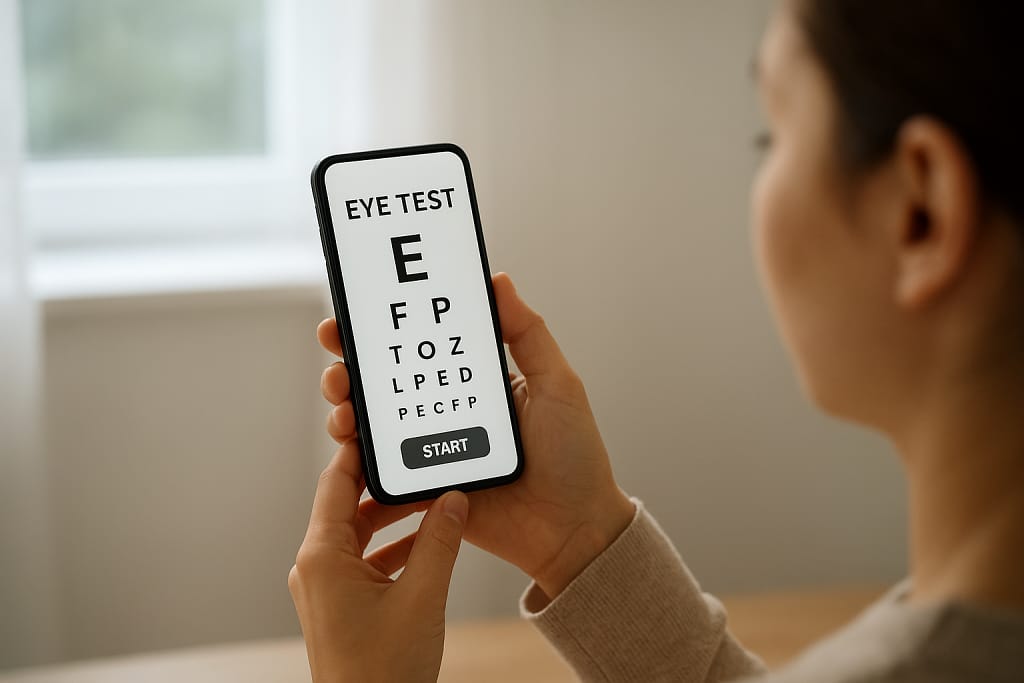
The boundaries between health and technology are disappearing. Our smartphones are no longer just communication tools; they are the front line for the future of digital eye health, acting as portable diagnostic stations.
a) Smartphones as Eye Testers
Modern phones can measure:
- Visual acuity
- Contrast sensitivity
- Color perception
b) Wearables and Smartwatches
Track blinking frequency, blue light exposure, and even ocular micro-movements.
c) Home Vision Stations
Companies are building smart mirrors that perform daily vision tracking — providing long-term health insights without ever visiting a clinic
8. AI-Driven Nutrition and Lifestyle Guidance
Digital eye care isn’t just about screens — it’s holistic.
AI-based apps like NourishVision or EyeFood AI provide personalized diet plans to boost ocular health through nutrients like:
- Lutein and zeaxanthin for macula protection
- Omega-3s for tear stability
- Vitamin A and E for retinal regeneration
These platforms connect dietary habits with eye performance data, closing the gap between wellness and medical care.

Smart Heat Eye Massager
Embrace the future of digital eye health with smart vibration and heat therapy designed to reset your eyes after long screen sessions.
9. The Challenges: Ethics, Data Privacy, and Digital Fatigue
While the future is exciting, it brings new challenges.
- Data Security: Eye scans and biometric data must be encrypted and HIPAA/GDPR compliant.
- Over-Reliance on Technology: Self-diagnosis via apps should not replace professional consultation.
- Digital Fatigue: Even eye health apps can contribute to screen overload if misused.
The goal is balance — using technology as a tool, not a replacement.
10. The Next Frontier: Neural Interfaces and Vision Restoration
Neural interfaces represent the most ambitious chapter in the future of digital eye health, moving from mere protection to actual vision restoration.
Researchers are developing brain-controlled visual prosthetics that bypass damaged optic nerves and restore partial sight.
Key innovations:
- AI-assisted bionic eyes
- Retinal microchips translating light into neural signals
- Neural implants connecting directly to the visual cortex
Within the next decade, AI-driven vision restoration may give millions the ability to see again.
11. Practical Tips to Protect Your Eyes in a Digital World
While waiting for the full realization of the future of digital eye health, you should implement these daily habits to protect your sight today.
- Use Night Mode or Blue Light filters on all devices.
- Follow the 20-20-20 rule to relax your focus.
- Keep hydrated and blink consciously.
- Regularly calibrate your screen brightness.
- Use smart reminders for posture and breaks.
12. FAQ Section
Q1: How will AI shape the future of digital eye health?
A1: AI is the foundation of the future of digital eye health, enabling automated screenings that can detect glaucoma and diabetic retinopathy with higher accuracy than traditional initial screenings.
Q2: Are smart glasses part of the future of digital eye health?
A2: Yes, smart glasses are a key component of the future of digital eye health by providing real-time posture alerts and automatic blue light filtering to prevent digital eye strain before it starts.
Q3: Will teleoptometry replace traditional eye exams?
A3: In the future of digital eye health, teleoptometry will handle routine monitoring and initial screenings, allowing doctors to focus on complex surgeries and advanced treatments.
✅ Conclusion
The future of digital eye health is not just innovative — it’s inevitable.
Artificial intelligence, smart devices, and connected diagnostics are transforming eye care from reactive to preventive, making it more accessible, affordable, and personal.
In the coming years, our screens, wearables, and lenses will work together to protect our eyes in real time — merging vision care with daily digital life.
For now, the best approach is balance: embrace the technology but never forget the human element behind every pair of eyes.
A Note from the Founder
"I started CVT because eye health is personal to me. After losing sight in my left eye due to a childhood injury and managing high intraocular pressure for decades, I’ve dedicated my life to finding the best ways to protect the vision we have. Every piece of advice on this site is researched with that same level of care and responsibility. Thank you for being here."

