
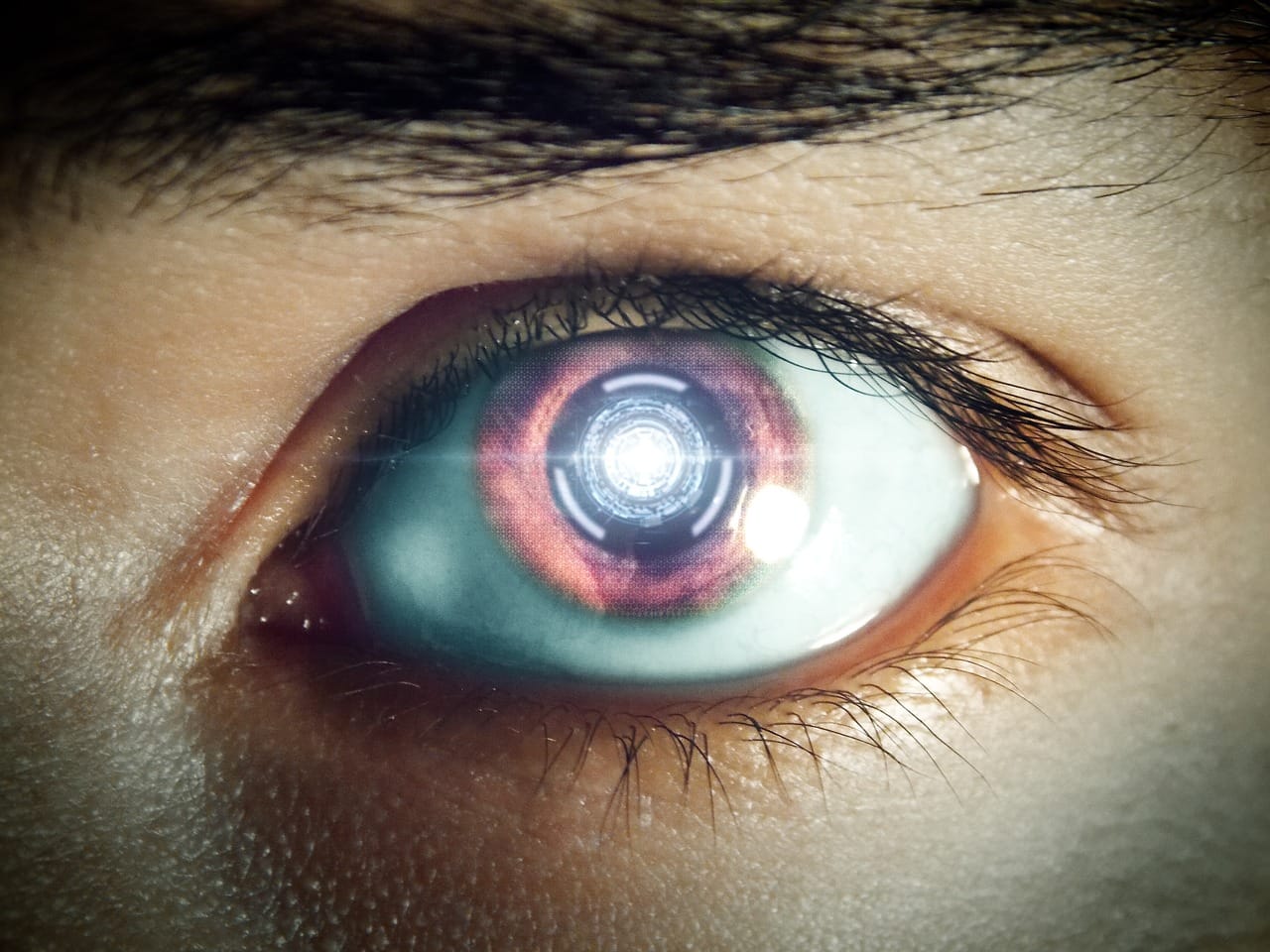
Introduction: The New Era of Vision Care
Understanding the future of eye health is no longer a matter of science fiction—it is a reality happening right now in your smartphone. As Artificial Intelligence (AI) and vision tracking apps become mainstream, we are entering an era where blindness could become largely preventable. To stay ahead of these innovations, make sure to explore our Vision Health HUB, where we track the latest breakthroughs in ocular technology and daily care.
AI can now diagnose eye diseases like diabetic retinopathy and glaucoma earlier than most humans, while apps and wearables track subtle changes in your focus, blinking rate, and even eye movements during gaming or work.
This article explores how cutting-edge innovations are transforming vision care — from the smartphone in your pocket to the algorithms analyzing your retina.
1. How AI Is Transforming Eye Health
Artificial intelligence has already changed fields like cardiology and oncology, but its most impressive breakthroughs are now happening in ophthalmology.
1.1 Early Detection Through AI Diagnostics
AI models trained on millions of retinal images can detect:
- Diabetic Retinopathy
- Glaucoma
- Age-Related Macular Degeneration (AMD)
- Cataracts
- Retinal Detachments
These systems analyze retinal scans in seconds, identifying microscopic signs invisible to the human eye. A groundbreaking report by Google Health AI demonstrates that deep learning models can now predict cardiovascular risk factors just by looking at retinal images.
Example:
Google’s DeepMind developed an AI that can diagnose over 50 eye diseases from a single retinal image with 94% accuracy, matching top ophthalmologists.
2. Smart Apps and Devices for Eye Health Monitoring
In 2025, mobile eye care is no longer futuristic — it’s in your hand.
Smartphones, tablets, and AR glasses can perform mini eye exams anytime, anywhere.
2.1 Vision Tracking Apps
Modern apps use your phone’s camera to assess:
- Blinking rate (to detect dryness)
- Screen time stress levels
- Focusing patterns and fatigue
- Reaction to contrast or brightness
Popular apps like EyeQue VisionCheck and Smart Optometry allow users to measure refractive errors and even share results with optometrists online.
2.2 Smart Glasses and Wearables
Wearables like VSP Vision’s Level Glasses and EyeControl track eye movement, lighting, and posture.
Newer models pair with AI software that gives feedback:
“You’ve been staring at your screen for 45 minutes. Time to take a break.”
These small nudges prevent digital eye strain and focus fatigue — major issues in the modern workspace.

3. AI in Eye Disease Prevention and Treatment
AI doesn’t just detect — it also predicts.
By analyzing lifestyle data, genetics, and ocular imagery, AI systems estimate disease risk long before symptoms appear. Predictive analytics will define the future of eye health by identifying risks before a single symptom appears.
3.1 Predictive Analytics
- Tracks subtle retinal changes over time
- Flags early indicators of diabetic retinopathy or glaucoma
- Alerts patients to schedule an eye exam
3.2 Personalized Treatments
AI-driven tools recommend customized therapies:
- Nutritional plans for macular degeneration
- Exercise routines to improve ocular blood flow
- Automated reminders for eye drop schedules
4. The Role of Machine Learning in Vision Tracking
Machine learning algorithms can monitor how your eyes move — a vital clue to both visual and neurological health.
4.1 Eye-Tracking in Neurology and Psychology
Abnormal eye movements are early indicators of:
- Alzheimer’s disease
- Parkinson’s
- Autism spectrum disorders
- Concussions
These patterns are now measurable through simple camera-based systems that track micro-movements of the pupils.
5. Integration of AI in Optometry Clinics
Modern eye clinics are adopting AI-based imaging tools that integrate directly with optometrists’ dashboards.
These systems:
- Analyze images in real-time
- Recommend treatments
- Compare current and historical data to measure disease progression
This dramatically improves efficiency, accuracy, and accessibility — particularly in rural or underdeveloped regions.
6. The Future of Eye Exams: Remote and AI-Driven
Remote vision testing is the next big leap.
Soon, you’ll be able to take a full eye exam from your smartphone, analyzed instantly by an AI optometrist. Tele-optometry is perhaps the most accessible part of the future of eye health for people living in remote areas.
This is especially transformative for:
- Elderly or disabled individuals
- Children in remote areas
- Patients managing chronic diseases like diabetes
In the next decade, AI tele-optometry could reduce global blindness by connecting millions with virtual eye specialists.
7. Ethical Considerations and Data Privacy
AI and vision apps collect sensitive biometric data — including retinal patterns unique to every individual.
Therefore, data security and medical privacy are critical.
Best Practices:
- Use apps with GDPR-compliant encryption
- Avoid sharing personal health data without consent
- Opt for verified medical-grade platforms
8. How AI Enhances Human Expertise
AI doesn’t replace eye doctors — it enhances their decision-making.
By automating repetitive image analysis, AI frees specialists to focus on patient care and treatment strategy.
Think of AI as a second set of eyes — tireless, objective, and fast.
9. The Role of AI in Eye Research and Drug Discovery
Pharmaceutical research uses AI to:
- Identify compounds that protect retinal cells
- Model disease progression using virtual simulations
- Test thousands of potential treatments in silico
This reduces time and costs in drug development for glaucoma, AMD, and retinopathy.
10. What’s Next: AI + AR + Brain-Computer Interfaces
The future of vision health will merge AI, Augmented Reality (AR), and Brain-Computer Interfaces (BCI). When we look at AI and brain-computer interfaces, the future of eye health looks like something out of a futuristic movie.
Imagine glasses that adjust contrast and brightness automatically, or lenses that provide real-time focus correction.
Researchers are even testing retinal implants controlled by AI signals from the brain, potentially restoring partial sight to the blind.

Smart Eye Massager with Heat
Embrace the future of eye health with thermal therapy. This device uses AI-driven rhythmic compression to refresh tired eyes and reduce the digital strain caused by modern screens.
11. Practical Ways You Can Use AI for Better Vision Today
Here’s how everyday users can take advantage of existing AI tools:
- Install eye-tracking apps to monitor screen fatigue.
- Use smart reminders for hydration and breaks.
- Schedule online eye exams via certified platforms.
- Pair smart glasses with your devices for automatic posture correction.
- Track sleep and blue light exposure with wearables to improve visual recovery.
12. FAQ Section
Q1: How will AI change the future of eye health diagnostics?
A1: AI will make diagnostics instant and highly accurate. In the future of eye health, AI algorithms will analyze retinal photos in seconds to find microscopic signs of disease that human doctors might miss.
Q2: Are vision tracking apps a reliable part of the future of eye health?
A2: Yes, vision tracking apps provide continuous data between doctor visits. While they don’t replace an optometrist, they are a vital component of the future of eye health for monitoring daily strain and focus fatigue.
Q3: Will the future of eye health include remote eye exams?
A3: Absolutely. Remote, AI-driven eye exams are a cornerstone of the future of eye health, allowing people in underserved areas to receive high-quality screenings through their smartphones.
Q4: Is data privacy a concern when embracing the future of eye health technology?
A4: Data security is paramount in the future of eye health. As we integrate more AI-driven apps and biometric tracking, using encrypted, medical-grade platforms ensures that your sensitive retinal data remains protected while you benefit from cutting-edge vision care.
Conclusion
AI, mobile apps, and smart tracking systems mark the beginning of a new era in vision care.
They promise earlier detection, better prevention, and wider access to diagnostics than ever before.
While technology won’t replace doctors, it’s becoming an indispensable ally in the global fight against preventable blindness. Embracing the future of eye health today means better vision for the rest of your life.
The future of eye health isn’t in the clinic — it’s already in your pocket.
A Note from the Founder
"I started CVT because eye health is personal to me. After losing sight in my left eye due to a childhood injury and managing high intraocular pressure for decades, I’ve dedicated my life to finding the best ways to protect the vision we have. Every piece of advice on this site is researched with that same level of care and responsibility. Thank you for being here."

