

Introduction
Achieving optimal hydration in eye comfort and maintaining sharp vision are often overlooked factors in our daily routines. While we usually think of hydration in the context of healthy skin or athletic performance, one of the primary organs affected by dehydration is the human eye.
To understand how proper moisture levels form the foundation of long-term ocular wellness, be sure to explore our comprehensive Vision Health Basics: Complete Guide to Eye Care & Nutrition, where we dive deep into how basic habits and diet directly impact your sight.
The human eye is composed of nearly 98% water within its internal fluid layers. When you don’t consume enough fluids, or when your environment depletes moisture, your eyes become dry, irritated, and fatigued. This isn’t just a matter of comfort — it directly impacts your visual clarity. Maintaining proper hydration in eye comfort plays a vital role in tear production and nutrient transport, both of which are essential for sharp, crystal-clear vision.
In this guide, you’ll learn:
- The science behind hydration and vision
- How dehydration impacts your eyes
- The link between water intake and dry eye syndrome
- Daily hydration strategies for screen users
- The best foods and drinks to keep your eyes healthy
1. The Science of Hydration in Eye Comfort and Vision
Water is essential for every structure of the eye — the cornea, lens, retina, and tear film all rely on proper hydration to function.
The tear film, which coats the eye’s surface, has three layers:
- Lipid layer: Prevents evaporation.
- Aqueous layer: Provides moisture and nutrients.
- Mucin layer: Helps tears spread evenly.
When you’re dehydrated, the aqueous layer becomes unstable, causing tears to evaporate too quickly — leading to dryness, burning, and blurry vision.
Dehydration also affects ocular blood flow, reducing the oxygen and nutrients that reach the retina.
2. Common Signs of Eye Dehydration
Hydration imbalance doesn’t always show up as thirst. When your eyes are dehydrated, symptoms often mimic other conditions such as allergies or screen fatigue.
Typical signs include:
- Redness or irritation
- Grittiness or “sand” feeling
- Blurred or fluctuating vision
- Light sensitivity
- Excessive tearing (reflex reaction to dryness)
- Headaches after long screen use
If ignored, chronic dehydration can contribute to Dry Eye Disease (DED), a common issue affecting millions globally.
| Hydration Level | Eye Impact | Visual Clarity |
|---|---|---|
| Optimal | Stable tear film, white eyes | Sharp and consistent |
| Mild Dehydration | Burning, slight redness | Intermittent blurring |
| Severe | Chronic dry eye, pain | Fluctuating focus, fatigue |

3. How Dehydration Impacts Vision Clarity
Vision clarity depends on light refraction, which occurs when light passes through the tear film, cornea, and lens.
Even slight dehydration can:
- Disrupt tear film smoothness → causes blurry or fluctuating vision
- Reduce intraocular fluid → affects focus speed and visual sharpness
- Increase corneal friction → leads to inflammation and eye fatigue
Research shows that eye dehydration impairs optical quality similarly to uncorrected refractive errors. Simply put — when your eyes are dry, you see less clearly.
4. The Connection Between Screen Use and Dehydration
Digital devices are a double threat: they cause tear evaporation and reduced blinking.
People blink 60% less frequently when staring at screens. This decreases moisture replenishment and increases exposure to dry air, especially in air-conditioned rooms.
Add caffeine and long work hours, and dehydration becomes almost guaranteed.
Hydration + Screen Rule:
For every hour of screen time, drink at least one glass of water (200–250 ml).
5. Best Drinks and Foods for Eye Hydration
Staying hydrated isn’t only about drinking plain water. The body absorbs fluids from multiple sources.
Hydrating Drinks
- Water (filtered or mineral): Aim for 8–10 glasses daily.
- Coconut Water: Natural electrolytes restore fluid balance.
- Green Tea: Contains antioxidants like catechins that support tear quality.
- Herbal Infusions: Chamomile, rooibos, and mint reduce eye inflammation.
Hydrating Foods
- Cucumbers & Celery: 95% water; help hydrate body tissues.
- Oranges & Watermelon: High in both water and Vitamin C.
- Tomatoes & Bell Peppers: Contain lycopene and beta-carotene for retinal protection.
- Omega-3 Rich Fish (Salmon, Sardines): Improve tear composition.
- Leafy Greens: Provide lutein and zeaxanthin, antioxidants that reduce oxidative stress.
6. The Role of Electrolytes in Eye Hydration
Hydration is not just water — electrolytes (sodium, potassium, magnesium) maintain fluid balance inside eye tissues.
Low electrolyte levels can cause eye twitching, blurred vision, and muscle fatigue.
Tip: Add a pinch of sea salt or electrolyte powder to your water once a day, especially during hot weather or workouts.
7. Best Habits for Maintaining Hydration in Eye Comfort
a) Blink More Frequently
Consciously blink every few seconds, especially during work sessions.
b) Use a Humidifier
Restores indoor air moisture — essential in winter or air-conditioned environments.
c) Use Preservative-Free Artificial Tears
They supplement the natural tear film without causing irritation.
d) Follow the 20-20-20 Rule
Every 20 minutes, look 20 feet away for 20 seconds — it restores focus and tear balance.
e) Limit Alcohol and Caffeine
Both act as diuretics, increasing fluid loss and eye dryness.

8. Hydration for Different Age Groups
- Children: Often forget to drink enough water, especially when focused on screens — teach hydration habits early.
- Adults: Should aim for 2–2.5 liters of water daily, adjusted for climate and activity.
- Seniors: Have reduced thirst perception, making dehydration a common cause of vision problems.
Encouraging proper hydration habits throughout life supports long-term eye health and cognitive function.
9. How Climate and Environment Affect Eye Moisture
Dry, windy, or polluted air accelerates tear evaporation.
If you live in an arid or cold climate, protect your eyes by:
- Wearing wraparound sunglasses outdoors
- Avoiding direct fan or AC airflow
- Using artificial tears or eye masks at night
10. The Link Between Dehydration, Sleep, and Eye Puffiness
When you’re dehydrated, your body retains water — often around the eyes — causing puffiness and dark circles.
Proper hydration flushes toxins and maintains fluid balance, reducing swelling and improving eye appearance.
11. Top Supplements for Improving Hydration in Eye Comfort
- Omega-3 Fatty Acids: Support tear gland function.
- Hyaluronic Acid: Found in tears; improves corneal moisture.
- Vitamin C & E: Strengthen capillaries and protect against oxidative stress.
- Grape Seed Extract: Enhances microcirculation and reduces eye fatigue.
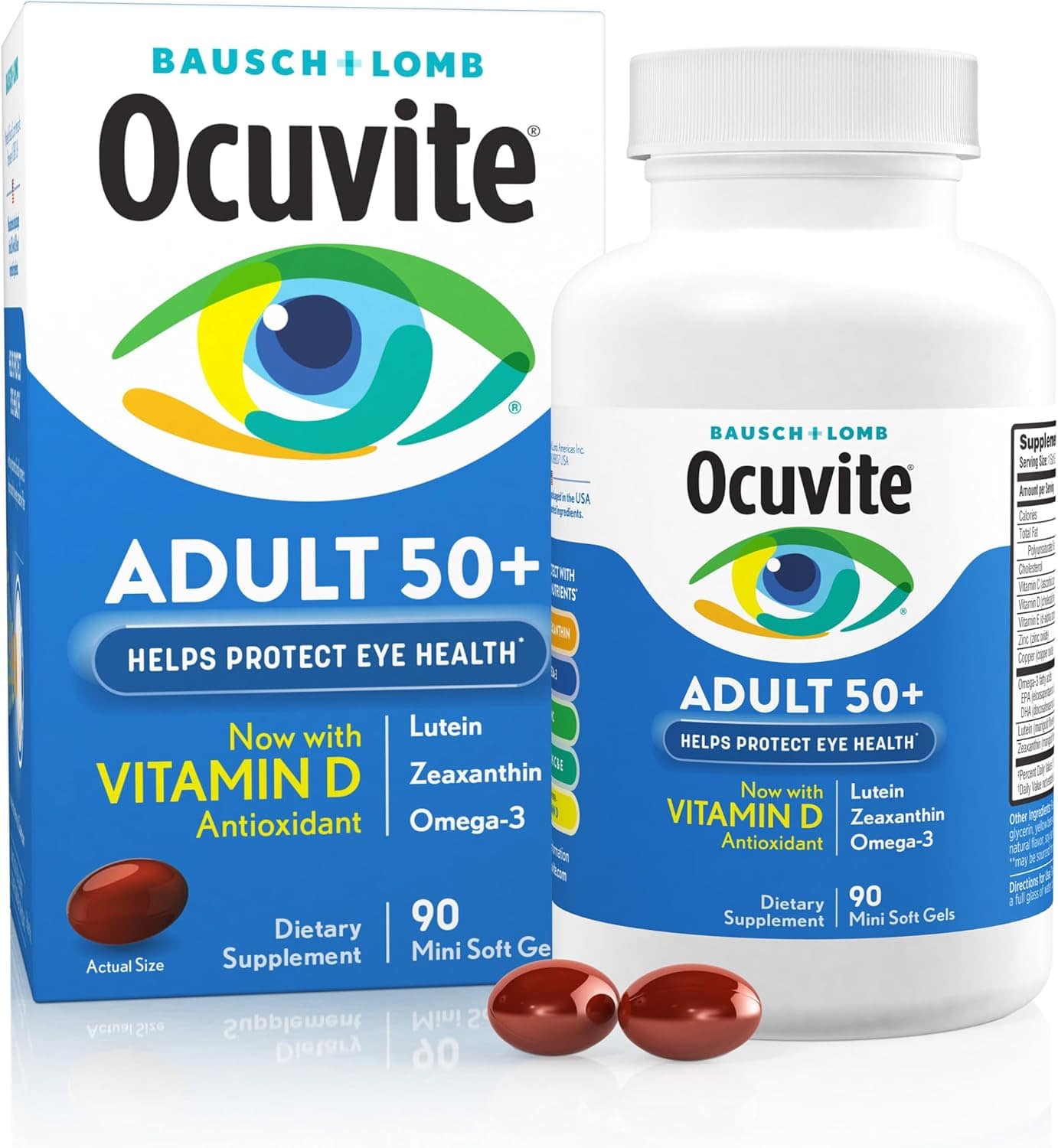
Unique blend of Omega-3 (GLA) and nutrients for internal hydration.
View on Amazon12. FAQ Section
Q1: How does hydration in eye comfort affect daily vision?
A: Proper hydration in eye comfort is essential because the eye is 98% water. When you are hydrated, your tear film remains stable, preventing the blurry vision and irritation associated with dryness.
Q2: Can drinking water quickly improve hydration in eye comfort?
A: While it’s not instant, consistent water intake is the most natural way to support hydration in eye comfort. It helps maintain the aqueous layer of the eye, which protects against environmental irritants.
Q3: Is coffee bad for hydration in eye comfort?
A: Caffeine is a diuretic, which can deplete the body’s fluids. To maintain hydration in eye comfort, it is recommended to drink one extra glass of water for every cup of coffee you consume.
Q4: What are the best electrolytes for hydration in eye comfort?
A: Magnesium, potassium, and sodium are the key electrolytes. They help regulate fluid balance in the ocular tissues, ensuring that hydration in eye comfort is maintained even during exercise or hot weather.
Q5: Can supplements help with hydration in eye comfort?
A: Yes, Omega-3 fatty acids and Hyaluronic acid supplements are scientifically proven to support hydration in eye comfort by improving tear quality and reducing evaporation.
Are Your Eyes Dehydrated?
How many glasses of water have you had today?
✅ Conclusion
Hydration is one of the simplest yet most powerful tools for maintaining clear, comfortable vision.
By drinking enough water, eating hydrating foods, and managing your environment, you support the delicate moisture balance that keeps your eyes healthy and functional.
So next time your eyes feel tired, itchy, or blurry — don’t just reach for eye drops. Take a sip of water.
Your vision depends on it.
A Note from the Founder
"I started CVT because eye health is personal to me. After losing sight in my left eye due to a childhood injury and managing high intraocular pressure for decades, I’ve dedicated my life to finding the best ways to protect the vision we have. Every piece of advice on this site is researched with that same level of care and responsibility. Thank you for being here."

