Introduction
The Role of Sleep and Eye Health is a critical yet often overlooked pillar of vision biohacking, as quality rest allows your eyes to recover from daily oxidative stress and digital strain. To fully understand how nightly rest fits into your overall wellness strategy, be sure to explore our Vision Health Basics: Complete Guide to Eye Care & Nutrition, where we connect daily habits to long-term visual performance.
While we often focus on nutrition or protective eyewear, understanding why deep sleep is essential for preventing dry eyes and preserving long-term clarity is the ultimate secret to ocular longevity. In this article, we’ll explore how sleep affects your eyes, the risks of sleep deprivation, and practical strategies to improve sleep and eye health for better vision.
Why Is Sleep Important for the Eyes?
During sleep, the body undergoes repair and recovery processes. This includes the eyes, which spend all day exposed to light, screens, and constant focusing.
- Corneal hydration: With eyes closed, the cornea absorbs moisture and heals minor stress.
- Cell regeneration: Retinal cells repair and recover from daily oxidative stress.
- Tear production: Adequate rest supports a stable tear film, preventing dryness and irritation.
- Reduced oxidative stress: Sleep regulates hormones and antioxidant defenses, protecting retinal cells.
👉 Digital Eye Strain (Computer Vision Syndrome): Causes, Symptoms, and Solutions
| Sleep Stage | Ocular Recovery Process | Vision Benefit |
|---|---|---|
| Deep Sleep | Cellular waste removal & hydration | Reduced inflammation & redness |
| REM Sleep | Rapid eye movement & lubrication | Stable tear film for morning clarity |
| Full Night | Mitochondrial energy recharge | Better focus & contrast sensitivity |
How Sleep Deprivation Affects the Eyes
When you don’t get enough rest, your eyes are among the first to show signs of exhaustion. Common symptoms include:
- Dry, irritated eyes – Reduced tear production.
- Blurred vision – Lack of rest impairs focus and visual contrast.
- Eyelid twitches or spasms – Known as myokymia, often triggered by fatigue.
- Increased risk of infections – Weakened immunity makes conjunctivitis more likely.
- Greater risk of eye diseases – Chronic sleep loss is linked to glaucoma and macular degeneration.
Scientific Studies on Sleep and Eye Health
Research shows strong links between sleep and ocular health:
- A study in Ophthalmology found people sleeping fewer than 5 hours per night had a significantly higher risk of dry eye syndrome.
- Chronic insomnia has been linked to elevated intraocular pressure, a major risk factor for glaucoma.
- Sleep loss reduces retinal blood flow, lowering oxygen and nutrient supply to the eyes.
👉 Blue Light and Eye Health: Myths, Facts, and Proven Strategies for Screen Protection
Sleep and Digital Eye Strain
In today’s digital world, screen overuse puts extra stress on the eyes. Blue light from screens can disrupt the circadian rhythm, making it harder to fall asleep. This creates a vicious cycle: poor sleep → more eye strain → even worse sleep.
🌙 Circadian Alert!
Your eyes contain special cells called ipRGCs that don’t see images—they only see blue light to tell your brain if it’s day or night. Exposure to screens before bed “tricks” these cells, halting melatonin production and preventing your eyes from entering “repair mode.” [cite: 13]
The Ultimate Deep Rest Combination


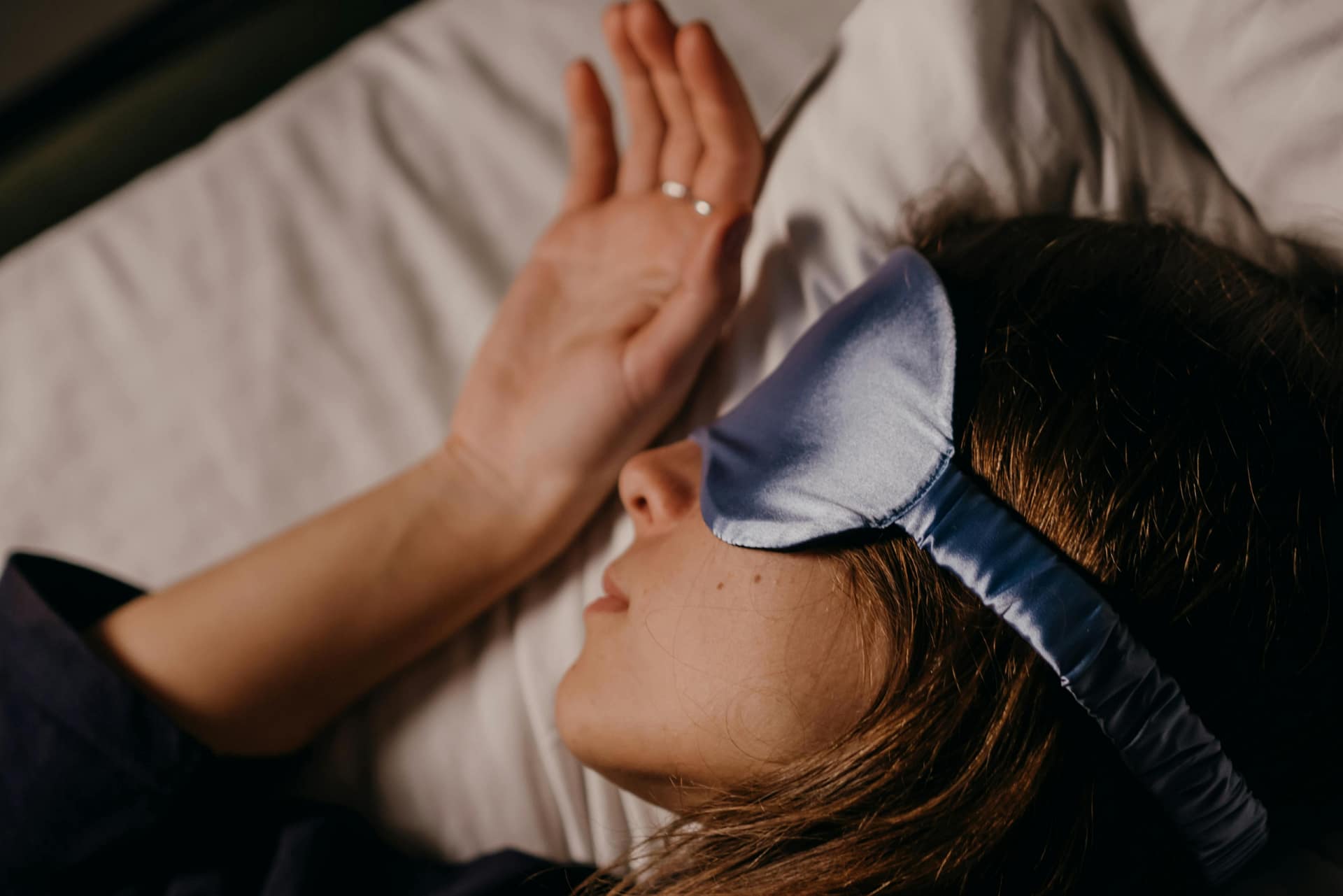
Pairing complete darkness with sound therapy is the fastest way to reduce oxidative stress on your eyes tonight.
How Much Sleep Do You Need for Healthy Eyes?
Expert recommendations:
- Adults: 7–9 hours per night
- Teenagers: 8–10 hours
- Children: 9–12 hours
- Older adults: 7–8 hours
👉 How to Set Up Your Workspace to Prevent Digital Eye Strain
Tips to Improve Sleep and Protect Eye Health
- Limit screen use before bed – Turn off devices at least 1 hour before sleep.
- Use blue-light blocking glasses when working late.
- Maintain a consistent sleep schedule.
- Create a dark, cool, and quiet sleep environment.
- Avoid caffeine and nicotine in the evening.
- Practice relaxation techniques such as meditation or light stretching.
👉 Best Computer Glasses for 2026: Do They Really Work?
When to See an Eye Doctor
If you notice chronic dryness, blurred vision, or eye pain after poor sleep, consult an eye specialist. Seek medical advice especially if symptoms are accompanied by headaches or difficulty concentrating.
Quality rest is essential, but if you wake up with irritation despite a full night’s sleep, explore our detailed guide on Dry Eyes in the Morning: 12 Hidden Causes & Fast Relief to rule out environmental factors like air quality and eyelid hygiene.
❓ FAQ – Sleep and Eye Health
👉 How does the role of sleep and eye health affect chronic dry eye?
A: The role of sleep and eye health is fundamental for maintaining the ocular surface. During sleep, your eyes undergo a process of intense hydration and lubrication. Lack of rest disrupts the aqueous layer of your tears, leading to chronic dryness, morning irritation, and redness.
👉 Can the role of sleep and eye health impact visual clarity?
A: Yes, the role of sleep and eye health directly influences your ability to focus. Sleep deprivation leads to weakened ocular muscle coordination, which results in blurred vision, difficulty focusing on screens, and reduced contrast sensitivity throughout the day.
👉 What is the connection between the role of sleep and eye health and glaucoma?
A: Recent studies emphasize the role of sleep and eye health in regulating intraocular pressure (IOP). Chronic sleep deprivation or poor sleep quality can lead to spikes in eye pressure, which is a primary risk factor for developing glaucoma over time.
👉 Does the role of sleep and eye health help with digital eye strain?
A: Absolutely. The role of sleep and eye health is to provide a “reset” for your retinas. During deep REM sleep, your eyes recover from blue light exposure and oxidative stress, making them more resilient to digital eye strain the following day.
👉 How many hours are needed to fulfill the role of sleep and eye health?
A: To fully support the role of sleep and eye health, adults should aim for 7 to 9 hours of uninterrupted rest. This time allows the corneal epithelium to repair itself and the mitochondrial energy in the retina to recharge for optimal performance.
Conclusion
Sleep is vital for maintaining healthy eyes and preventing serious vision problems. Prioritizing quality rest is just as important as wearing protective glasses or eating nutrient-rich foods.
If you want to preserve your eyesight for the long term, make good sleep a priority—your eyes will thank you.
Lack of rest is the #1 trigger for eyelid spasms. If you’re struggling with this, see our guide on Eye Twitching (Myokymia): Causes & Natural Fixes.
Recommended Products for Better Sleep & Eye Health
👉 Take care of your sleep & your eyes today.
- Blue Light Blocking Glasses – Protect your eyes from harmful screen light and improve sleep quality.
- Premium Sleep Mask – Experience deeper rest and reduce eye dryness at night.
- White Noise Machine – Fall asleep faster and wake up refreshed.
- Melatonin & Magnesium Supplements – Support natural sleep cycles and eye recovery.
- Air Humidifier – Keep your eyes hydrated during sleep.
A Note from the Founder
"I started CVT because eye health is personal to me. After losing sight in my left eye due to a childhood injury and managing high intraocular pressure for decades, I’ve dedicated my life to finding the best ways to protect the vision we have. Every piece of advice on this site is researched with that same level of care and responsibility. Thank you for being here."

