
INTRO
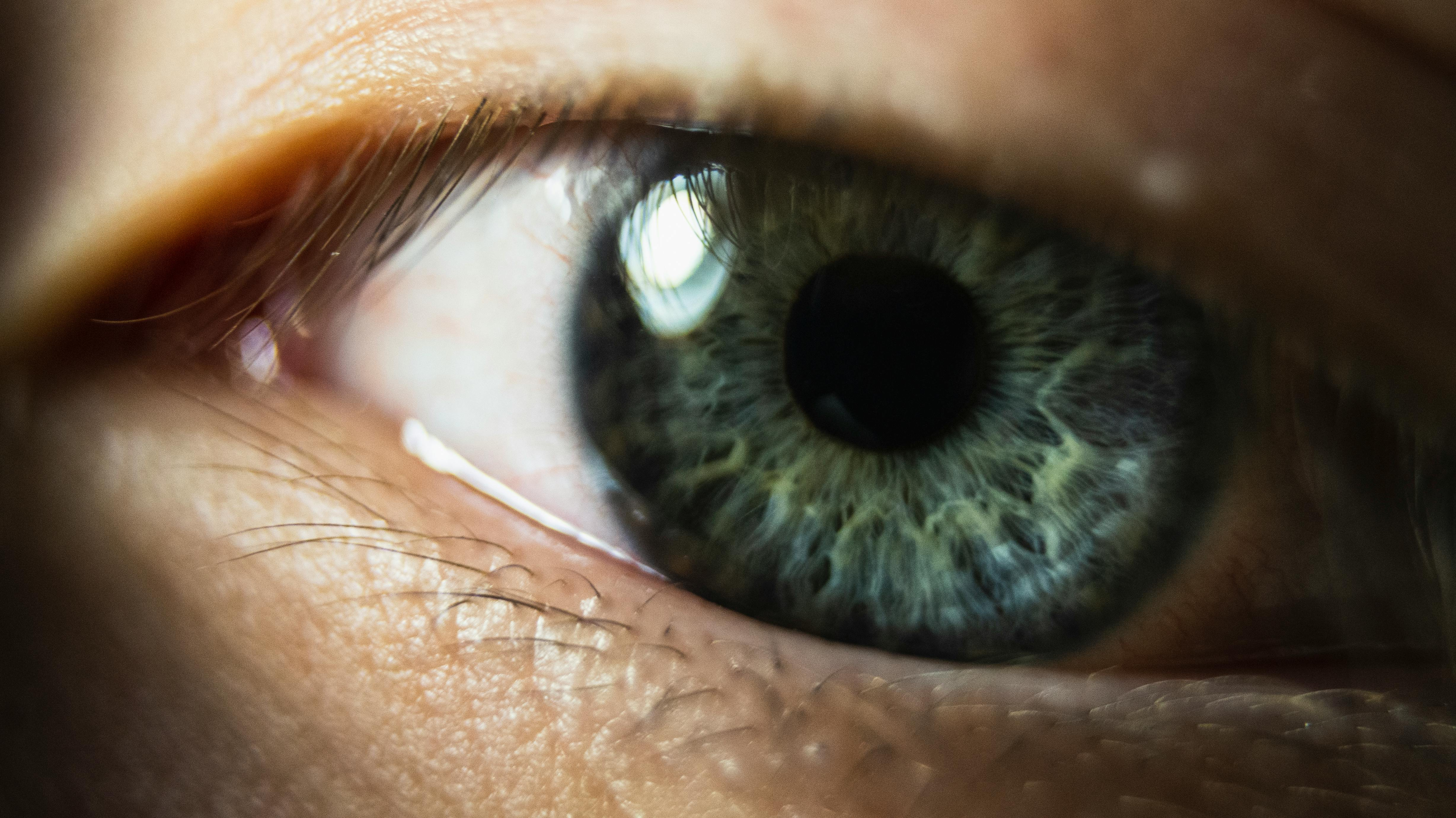
If your vision feels weird, strange, or slightly “off,” you are not alone.
Millions of people experience symptoms such as:
- vision that feels different than usual
- eyes that feel heavy or strained
- difficulty focusing
- mild distortion or blurriness
- pressure behind the eyes
What makes this situation frustrating is that many people visit an eye doctor, get a full exam, and hear something surprising:
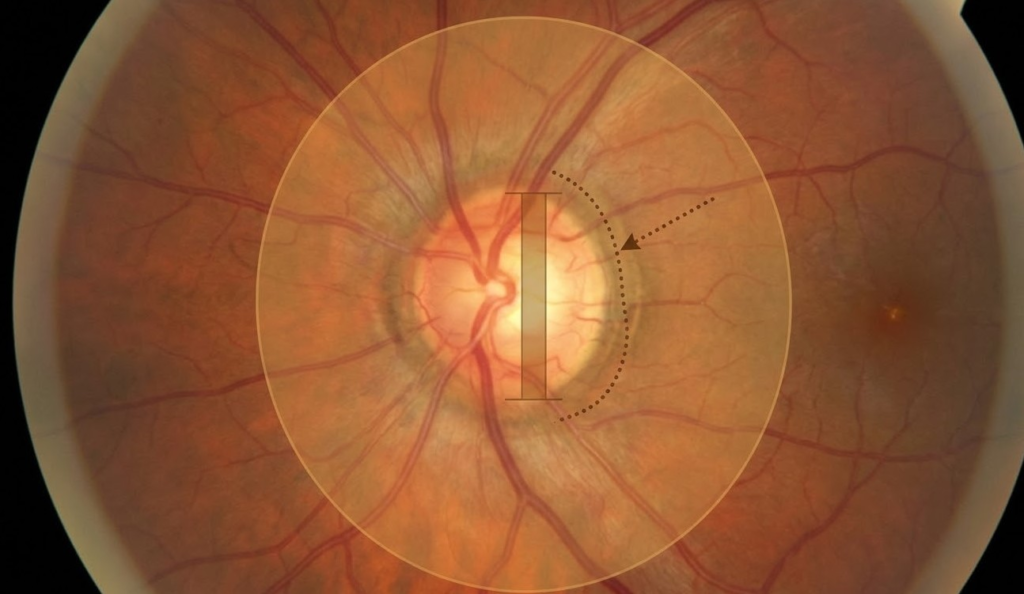
“Your eyes look completely normal.”
So why does your vision still feel weird even when your eye exam is normal?
The truth is that many subtle factors can affect how your eyes and brain process visual information. These include digital eye strain, nervous system stress, dry eye syndrome, circulation problems, and even brain fatigue.
Because vision is not controlled by the eyes alone, the problem can originate in:
- the brain
- the nervous system
- the muscles around the eyes
- the tear film
- blood flow to ocular tissues
Understanding these hidden causes can help you identify what is happening and take steps to restore clear, comfortable vision.
In this comprehensive guide, we will explore 17 hidden causes of strange vision symptoms that eye doctors rarely explain in detail.
How Vision Can Feel “Weird”
Before exploring the causes, it helps to understand the different ways vision symptoms appear.
People who say their vision feels weird usually experience one or more of the following patterns.
1. Blurry or unstable focus
Objects may appear slightly blurry even though glasses are correct.
2. Eye pressure or heaviness
Your eyes feel tight, tired, or uncomfortable.
3. Visual distortion
Straight lines may look slightly curved or wavy.
4. Brain-related vision symptoms
You may feel disconnected from visual clarity or experience difficulty concentrating visually.
Many of these symptoms are closely linked to digital eye strain and modern screen habits.
👉 For a deeper explanation of how screens affect vision health, explore our complete Digital Eye Strain Guide HUB, where we explain the science of screen-induced eye fatigue and practical solutions for protecting your eyesight.
The human visual system processes information through both the eyes and the brain. In fact, nearly 50% of the brain is involved in visual processing, which means many “eye symptoms” actually originate in neurological or systemic factors rather than the eyes themselves.
1. Digital Eye Strain Overload
One of the most common reasons your vision feels weird is digital eye strain, also known as computer vision syndrome.
Modern adults spend 7–11 hours per day looking at screens. This constant visual demand places enormous stress on the eye focusing system.
Common symptoms include:
- blurry vision
- eye fatigue
- difficulty focusing
- burning or dryness
- headaches behind the eyes
Digital screens force your eye muscles to continuously adjust focus at a fixed distance. Over time, this leads to muscle fatigue and visual instability, which makes vision feel strange.
If you spend most of your day on computers or phones, digital strain may be the primary cause of your symptoms.

2. Hidden Dry Eye Syndrome
Dry eye disease is one of the most underdiagnosed causes of strange vision symptoms.
Your tears are not just water — they form a complex protective layer called the tear film, which stabilizes vision and keeps the cornea smooth.
When the tear film becomes unstable, symptoms may include:
- fluctuating vision
- blurry vision that improves after blinking
- burning sensation
- gritty feeling in the eyes
Even mild dry eye can cause vision to feel inconsistent or uncomfortable.
Many people assume their symptoms are neurological, when the real cause is tear film instability.
3. Binocular Vision Dysfunction
Your brain combines input from both eyes simultaneously to create a single visual image.
When the two eyes are not perfectly aligned, the brain must work harder to merge images.
This condition is known as binocular vision dysfunction (BVD).
Symptoms often include:
- vision feeling “off”
- eye strain
- headaches
- dizziness
- difficulty focusing
Even tiny alignment errors can make visual processing uncomfortable.
4. Anxiety and Nervous System Stress
Many people are surprised to learn that anxiety can affect visual perception.
When your nervous system is under stress, the body releases hormones such as cortisol and adrenaline.
These chemicals can affect:
- blood flow to the eyes
- pupil size
- visual processing speed
The result may include:
- vision that feels unreal
- difficulty focusing
- light sensitivity
Stress does not damage your eyes, but it can temporarily disrupt the way the brain processes visual information.
Anxiety can temporarily alter pupil dilation and visual focus, which may cause symptoms such as blurred vision, tunnel vision, or difficulty concentrating visually.
5. Poor Blood Flow to the Eyes
Healthy vision depends on strong blood circulation.
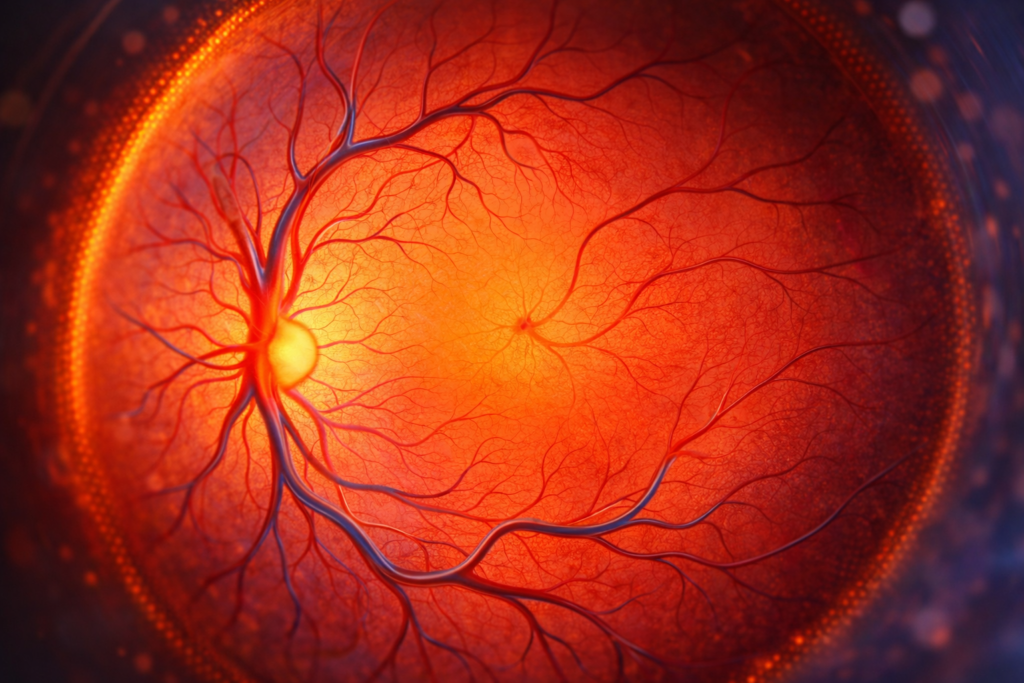
The retina is one of the most metabolically active tissues in the human body. It requires a constant supply of oxygen and nutrients.
Poor circulation may cause:
- dim vision
- eye fatigue
- temporary blurriness
- pressure behind the eyes
Factors that can affect circulation include:
- dehydration
- sedentary lifestyle
- neck tension
- cardiovascular health
6. Screen-Induced Myopia
Modern lifestyles expose our eyes to prolonged near work.
This can gradually alter the way the eye focuses.
Researchers call this phenomenon screen-induced myopia, and it has become increasingly common among adults and children.
Symptoms may include:
- distance vision that feels weaker
- difficulty switching focus from near to far
- eye fatigue after reading or screen use
Spending more time outdoors and reducing continuous screen exposure can help protect your vision.
7. Blood Sugar Fluctuations
Many people do not realize that blood sugar levels can directly affect vision clarity.
When glucose levels rise or fall rapidly, fluid balance inside the eye changes. This temporarily alters the shape of the eye’s lens, which can make your vision feel weird or slightly blurry.
This effect can occur in people with:
- diabetes
- prediabetes
- high sugar diets
- irregular eating patterns
Symptoms often include:
- sudden blurry vision
- difficulty focusing
- fluctuating visual clarity during the day
When blood sugar stabilizes, vision typically returns to normal.

Sudden spikes or drops in blood sugar can temporarily change the shape of the eye’s lens, causing blurry vision that may last for several hours until glucose levels stabilize.
8. Eye Pressure Fluctuations
Another possible reason your vision feels weird is subtle changes in intraocular pressure (IOP).
Even when pressure remains within the normal range, small fluctuations can create sensations such as:
- heaviness behind the eyes
- pressure around the temples
- mild visual discomfort
- difficulty focusing
These symptoms are especially common in people who:
- work long hours on screens
- experience eye strain
- have poor sleep patterns
Pressure fluctuations are usually temporary but can make vision feel unstable.
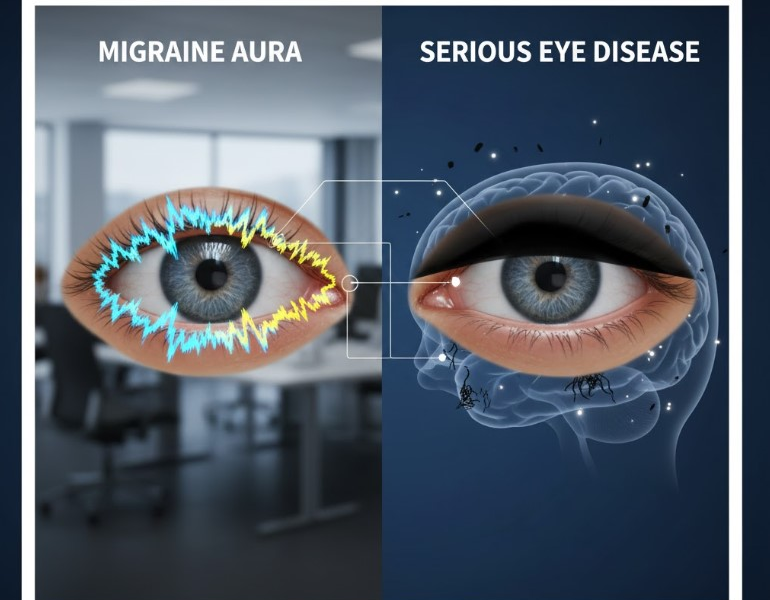
9. Migraine Aura Without Headache
Many people associate migraines with severe headaches, but migraine aura can occur without pain.
This phenomenon is known as silent migraine.
Visual symptoms may include:
- flashing lights
- zigzag patterns
- blind spots
- distorted vision
Because these symptoms originate in the brain’s visual cortex, they can make vision feel extremely unusual.
These episodes usually last 10–30 minutes and resolve on their own.
- Migraine Aura vs Eye Disease: Key Differences and When to Worry
- Light Sensitivity (Photophobia): Causes, Triggers & Natural Relief
- Visual Snow Syndrome: Causes, Symptoms & Anxiety Link
10. Visual Snow Syndrome
A lesser-known neurological condition called visual snow syndrome can also cause strange visual experiences.
People with this condition may see:
- tiny flickering dots across their vision
- static-like patterns
- light sensitivity
- afterimages
While visual snow is not dangerous, it can make vision feel abnormal or distracting.
Research suggests that this condition may involve overactivity in the brain’s visual processing centers.

11. Sleep Deprivation
Lack of sleep affects far more than your energy levels — it also affects visual processing and eye comfort.
When you do not get enough sleep:
- tear production decreases
- eye muscles fatigue faster
- visual focus becomes unstable
This can make your vision feel weird or slightly unfocused throughout the day.
Poor sleep is one of the most overlooked contributors to modern eye problems.
Healthy sleep patterns play a crucial role in maintaining visual clarity and reducing eye fatigue. You can explore the science behind this connection in our Vision Health HUB, where we explain how sleep, hydration, and lifestyle habits influence long-term eye health.
Just one night of poor sleep can reduce tear production and increase eye strain, which may cause temporary blurry vision and difficulty focusing.
12. Dehydration
Your eyes depend on proper hydration to maintain a healthy tear film.
When the body becomes dehydrated, tear production may decrease, leading to symptoms such as:
- dry eyes
- blurred vision
- burning sensations
- eye fatigue
Even mild dehydration can cause visual discomfort.
Drinking enough water helps maintain tear stability and keeps the surface of the eye smooth.

13. Hormonal Changes
Hormones play a significant role in eye health.
Changes in hormones can affect:
- tear production
- corneal thickness
- fluid balance in the eye
This is why vision changes often occur during:
- pregnancy
- menopause
- hormonal therapy
- thyroid disorders
Some people notice that their vision feels weird during hormonal fluctuations, especially when combined with stress or fatigue.

| Symptom | Possible Cause |
|---|---|
| Blurry vision after screen use | Digital eye strain |
| Vision fluctuates during the day | Dry eye or blood sugar changes |
| Strange flashing lights | Migraine aura |
| Vision feels grainy | Visual snow syndrome |
| Heavy eyes and pressure | Eye strain or sleep deprivation |
Quick Self-Check
Why does your vision feel weird?
1 Do symptoms appear after long screen use?
Likely Digital Eye Strain: Your eye muscles are overworking to focus on pixels. Consider the 20-20-20 rule and blue light protection.
2 Does blinking improve your vision?
Possible Dry Eye Syndrome: Blinking redistributes the tear film. If vision clears for a second after a blink, your eyes may be dry.
3 Do you see flashing lights or patterns?
Could be Migraine Aura: This is often a neurological response. It can happen even without a painful headache.
4 Does your vision fluctuate during the day?
Check Internal Balance: Blood sugar levels or simple dehydration can cause the lens of the eye to slightly change shape.
5 Do symptoms worsen with stress or anxiety?
Nervous System Link: High cortisol can affect visual processing. This is a functional issue, not a structural eye disease.