
INTRO
Vision goes black when I stand up—it’s a phrase many people search for in a moment of mild panic. We’ve all been there: you’re sitting on the sofa, the doorbell rings, and you jump up to answer it. Suddenly, your vision goes black when you stand up. Your head feels light, your surroundings dim, and for three seconds, you’re standing in total darkness. If you frequently experience other visual disturbances along with this sensation, explore our comprehensive Eye Symptoms & Relief HUB for expert guides on managing 300+ functional vision issues and finding immediate relief.
The Moment the World Fades: Understanding the Blackout
We’ve all been there. You’re sitting on the sofa, the doorbell rings, and you jump up to answer it. Suddenly, your vision goes black when you stand up. Your head feels light, your surroundings dim, and for three seconds, you’re standing in total darkness, reaching for a wall to steady yourself.
This experience is medically known as transient vision loss due to orthostatic changes. While it feels like a scene from a movie, it is actually your body’s complex cardiovascular system failing to win a quick race against gravity. In this guide, we won’t just tell you “it’s normal”—we will dive deep into why your vision goes black when you stand up and how to recalibrate your internal pressure for crystal-clear sight.
| Blackout Trigger | Typical Duration | Likely Cause |
|---|---|---|
| Standing Fast | 2-3 Seconds | Orthostatic Hypotension |
| Heavy Meals | 3-5 Seconds | Post-Prandial Dip |
| Morning Rise | 2-5 Seconds | Sleep Dehydration |
The Science: Why Your Eyes “Turn Off” First
The human eye is an energy-hungry organ. The retina requires more oxygen per gram than almost any other tissue in your body. When you stand up and your blood pressure dips, the blood flow to the head is momentarily restricted.
Your brain is smart—it prioritizes keeping your heart beating and your lungs breathing. To save energy during those few seconds of low pressure, the visual system “dims the lights.” This is why your vision goes black when you stand up even if you don’t fully faint.
7 Reasons Your Vision Goes Black When You Stand Up
1. Orthostatic Hypotension (The Gravity Factor)
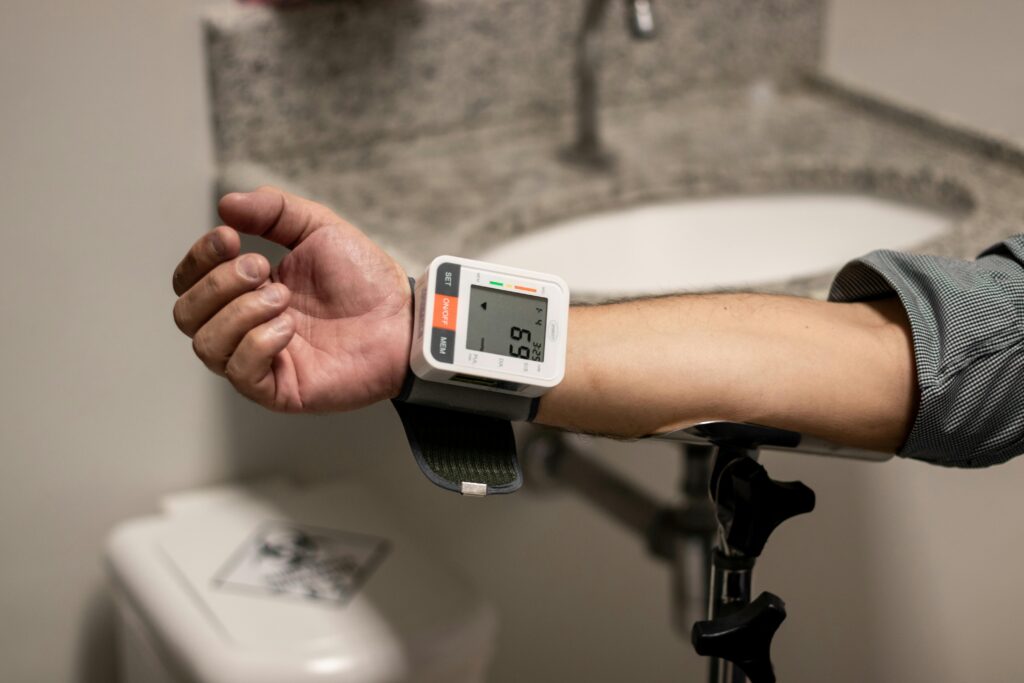
When you stand, about 500ml to 700ml of blood shifts to your legs. If your “baroreceptors” (blood pressure sensors) are slow to react, your pressure drops, and your vision fades. According to medical research on blood pressure regulation, this sudden drop is a primary symptom of Orthostatic Hypotension, a condition where the heart fails to pump enough oxygen-rich blood to the brain and eyes during a posture change.
2. The Dehydration Trap
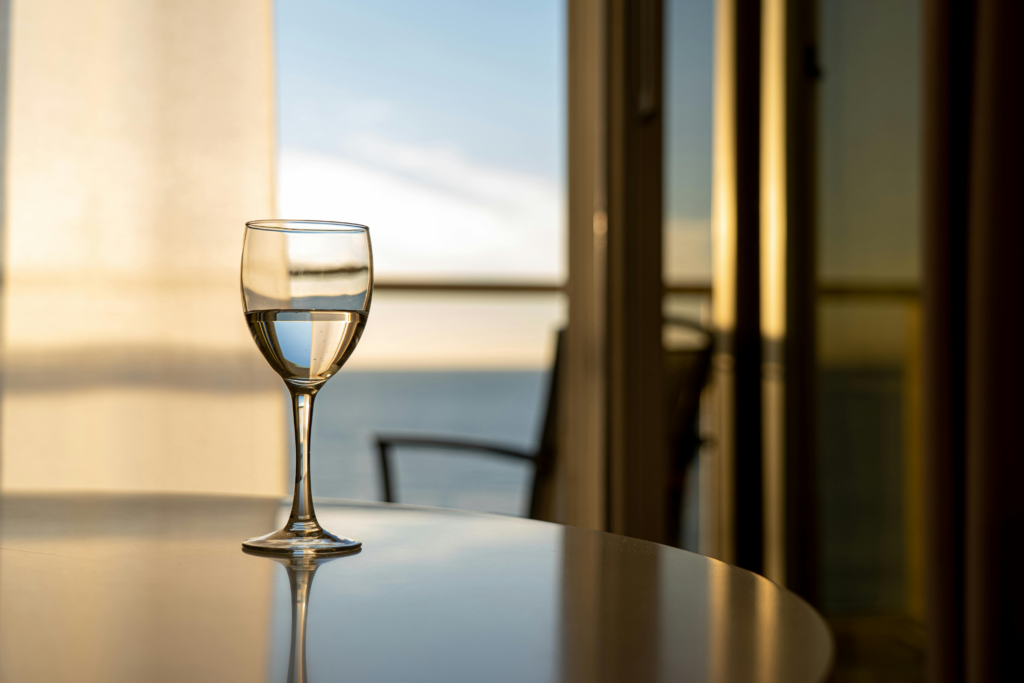
Modern life is dehydrating. When you don’t drink enough water, your blood volume drops, which is a leading reason why your vision goes black when I stand up. Coffee and indoor heating only make this dehydration worse.
3. Nutritional Anemia
If your iron levels are low, your blood cannot carry enough oxygen. This is why many people notice their vision goes black when I stand up, as the brain struggles to get oxygen during the sudden change in posture.
4. Post-Prandial Hypotension (The “Food Coma”)
Did you notice your vision goes black when you stand up more often after a heavy meal? That’s because your body diverts blood to the stomach for digestion, leaving less for the head.
5. Medication & Alcohol
Alcohol dilates blood vessels, making them “floppy” and slow to constrict. Medications for blood pressure or depression can have similar side effects.
6. Nervous System Fatigue (Burnout)
If you are chronically stressed, your “fight or flight” system is exhausted. It stops regulating your blood vessels efficiently, leading to frequent visual disturbances.
7. Neck Tension & Poor Posture
If your neck muscles are extremely tight from “tech neck,” they can slightly interfere with the vertebral arteries, especially during sudden positional changes.
The 7-Step “Clear Rise” Protocol
If you’re tired of the world fading to black every time you get off the couch, consistency is key. Try incorporating these human-centric habits into your daily routine to stabilize your internal pressure.
1. Morning Salt Water
Before you reach for the coffee, try a large glass of room-temperature water with a tiny pinch of high-quality sea salt. Most of us wake up dehydrated, which means our blood volume is at its lowest point of the day. The salt helps your body actually “hold onto” the water, giving your cardiovascular system the volume it needs to push blood up to your eyes the moment you stand up.

Advanced Hydration Electrolyte Mix
Perfect for restoring blood volume and preventing vision fades caused by morning dehydration.
Check Price on Amazon →2. The “Abdominal Squeeze”
Think of your core as a natural pump. Just before you stand up, take a breath and tighten your stomach muscles as if someone is about to poke you. This simple maneuver increases the pressure in your torso and prevents blood from “pooling” in your legs. It keeps the oxygen flowing exactly where it belongs—in your brain and retina.
3. Ankle Pumps
Don’t just jump out of bed the second your alarm goes off. While still lying down, flex your feet up and down briskly about 5 to 10 times. This “wakes up” your calf muscles—often called the second heart—which helps prime your circulation and pre-loads your blood pressure for the transition to standing.
4. Cooler Showers
We all love a steaming hot shower, but extreme heat causes your blood vessels to dilate and go “soft,” making blackouts much more likely. Try finishing your shower with 30 seconds of cool or lukewarm water. This sudden change helps your vessels stay “snappy” and responsive, improving their ability to constrict quickly when you move.
5. Monitor Your Screen Time
It might seem unrelated, but your nervous system is one big connected web. Spending 8 hours in a high-stress “scroll” leads to Digital Eye Strain, which keeps your body in a low-level “fight or flight” mode. A stressed nervous system is less efficient at regulating blood pressure, making those “weird” vision fades more frequent.

6. Iron-Rich Diet
Your blood needs the right tools to carry oxygen. If you’re low on iron, even perfect blood pressure won’t help if the blood reaching your eyes is “empty.” Focus on incorporating more spinach, lentils, or high-quality red meat into your weekly meals. When your iron levels are optimal, your vision stays sharp and resilient, even during sudden movements.
7. Magnesium Support
Magnesium is the master mineral for muscle and vessel relaxation. It helps the tiny muscles within your arteries contract and relax with precision. Whether through magnesium-rich foods like pumpkin seeds and dark chocolate or a high-quality supplement, keeping your levels up ensures your “internal plumbing” reacts instantly to gravity.
When to See a Doctor
In most cases, when your vision goes black when I stand up, the cause is temporary and related to blood pressure changes, dehydration, or fatigue. However, frequent or severe episodes should never be ignored.
You should seek medical attention if these blackouts happen often or are accompanied by other symptoms that may indicate a more serious condition affecting circulation, the nervous system, or eye health.
Warning Signs and Required Actions:
- Vision blackout lasting longer than 10 seconds: This could be a sign of a more serious circulation or neurological issue. If your vision goes black when I stand up for this long, you should consult a doctor promptly.
- Frequent blackouts when standing: If you constantly notice that your vision goes black when I stand up, it may indicate chronic orthostatic hypotension or severe dehydration. Schedule a medical check-up to find the root cause.
- Blackout followed by fainting: This is a high-priority warning sign of a possible cardiovascular condition. Seek an urgent medical evaluation immediately.
- Blurred vision with chest pain or severe dizziness: These symptoms combined with the moment your vision goes black when I stand up point to a potential heart or blood pressure disorder. Seek immediate medical care.
- Black vision combined with neurological symptoms: If you experience numbness or confusion when your vision goes black when I stand up, it could be a nerve or brain-related condition. Contact a healthcare professional immediately.
Q: Why does my vision go black when I stand up suddenly?
A: When your vision goes black when you stand up, it is usually due to a brief drop in blood pressure known as orthostatic hypotension. Gravity pulls blood toward your legs, and if your body doesn’t pump it back to your head fast enough, your retina momentarily loses oxygen, causing a temporary blackout.
Q: Is it normal if my vision goes black when I stand up every morning?
A: While common, experiencing a moment where your vision goes black when you stand up in the morning often indicates dehydration. After hours of sleep, your blood volume is low, making it harder for your heart to fight gravity until you hydrate.
Q: Can anxiety cause me to feel like my vision goes black when I stand up?
A: Yes, anxiety and chronic stress can oversensitize your nervous system. This affects how your blood vessels constrict, which may lead to the sensation that your vision goes black when you stand up more frequently during high-stress periods.
Q: How can I stop my vision from going black when I stand up?
A: To prevent your vision from going black when you stand up, focus on increasing your fluid intake, standing up in stages, and performing “ankle pumps” before rising to prime your circulation and blood pressure.
Conclusion
In summary, if your vision goes black when I stand up, you are likely dealing with a functional circulation shift rather than a permanent eye condition. Whether it is triggered by simple dehydration, low iron, or orthostatic hypotension, the key is to listen to what your body is telling you about your blood flow.
By implementing the “Clear Rise” protocol—focusing on hydration, salt balance, and mindful movement—you can significantly reduce the frequency of these episodes. Understanding why your vision goes black when you stand up empowers you to take control of your vascular and visual health.
If these episodes are accompanied by other visual artifacts, such as flickering or trails, be sure to visit our Eye Symptoms & Relief HUB for deeper insights into managing functional vision issues.
A Note from the Founder
"I started CVT because eye health is personal to me. After losing sight in my left eye due to a childhood injury and managing high intraocular pressure for decades, I’ve dedicated my life to finding the best ways to protect the vision we have. Every piece of advice on this site is researched with that same level of care and responsibility. Thank you for being here."