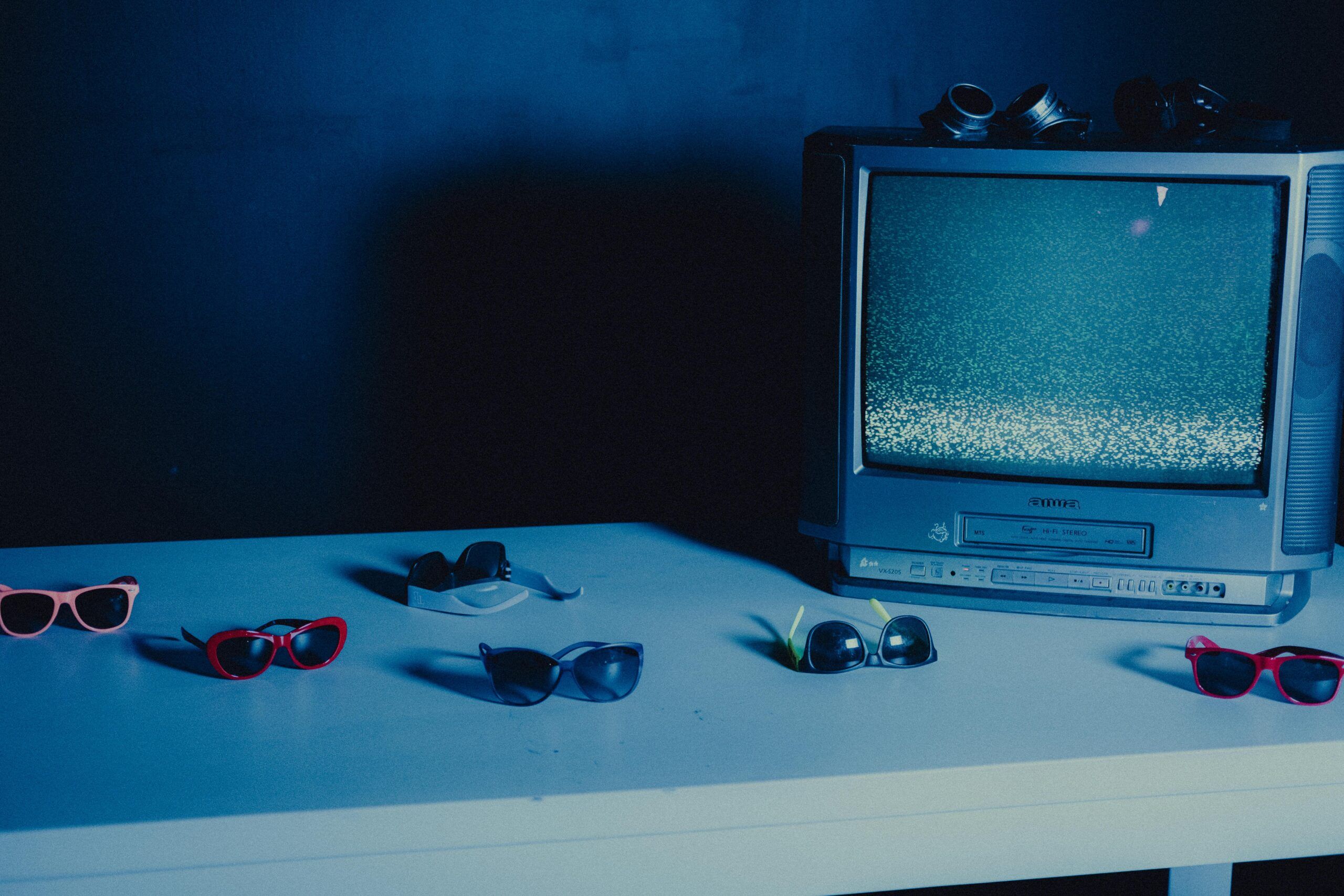
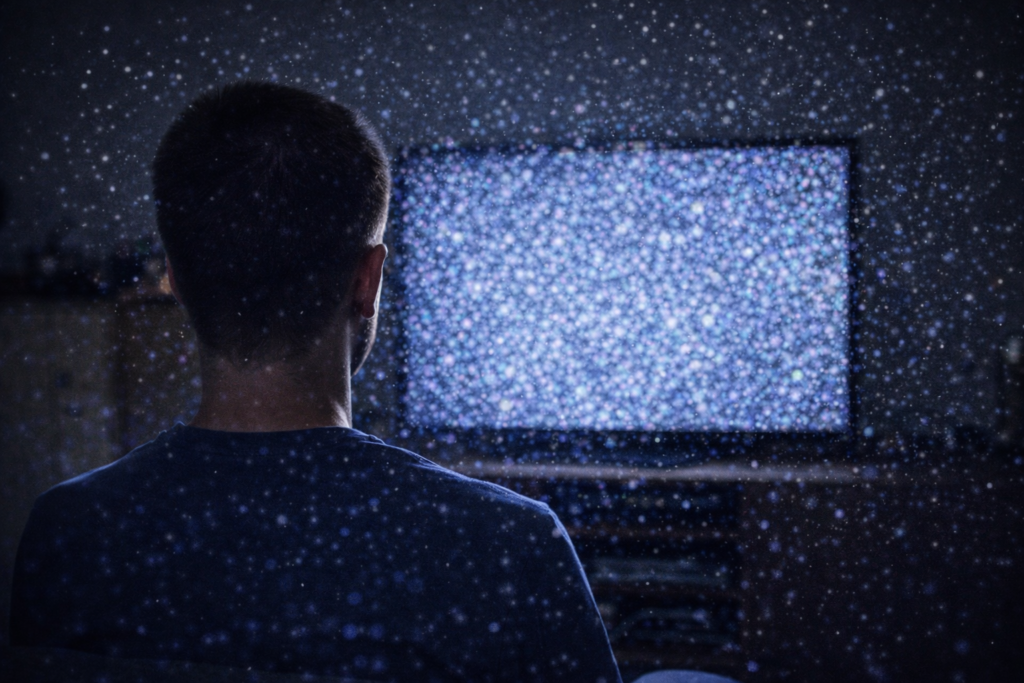
Visual Snow Syndrome (VSS) is a mysterious condition where people see constant static, flickering dots, or “TV snow” across their entire field of vision — even when their eyes are closed.
For many people, it feels like:
👉 “My vision is grainy all the time”
👉 “I see static at night or in the dark”
👉 “It looks like thousands of tiny moving dots”
Visual snow can be:
- subtle or intense
- constant or fluctuating
- frightening when it first appears
It is often NOT caused by eye disease, but by how the brain processes vision.
📌 Important: If visual changes are sudden, worsening, or accompanied by pain, always see an eye doctor to rule out retinal tear, optic neuritis, glaucoma attack, or stroke symptoms.
⭐ Premium Pick for Visual Snow & Migraine Sensitivity
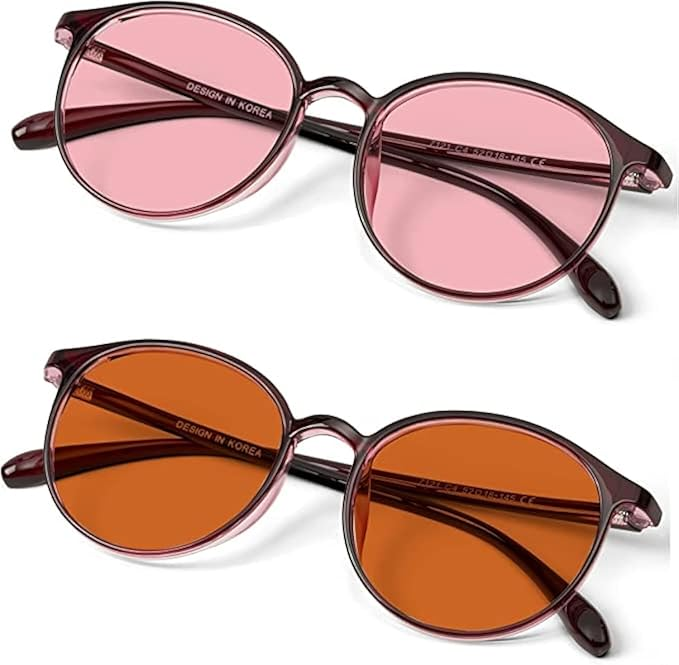
Axon Optics FL-41 Therapeutic Glasses
- ✅ Designed for Visual Snow & Migraine
- ✅ Scientifically filtered spectrum
- ✅ Reduces photophobia & static intensity
- ✅ Premium quality frame and lenses
👁 What Exactly Is Visual Snow Syndrome?
Visual Snow Syndrome is a neurological visual processing disorder where the brain cannot fully “filter noise” from the visual pathway.
People commonly describe:
- tiny black, white, or colored dots
- static like an old analog TV screen
- snow especially visible in the dark
- flickering or pixelated vision
- transparent overlay of gray fuzz
- enhanced awareness of visual field
Unlike typical eye conditions, the eyes are often completely healthy.
Visual snow originates in the:
- visual cortex
- thalamus
- optic pathways
- brainstem
That’s why eye exams are usually normal.
Visual Snow Syndrome is NOT a problem with the eyes themselves. Research shows it is linked to how the brain filters visual information — which is why eye exams are usually completely normal.
🔥 Common Symptoms of Visual Snow Syndrome
You only need some of these to have VSS.
Primary symptoms
- constant static-like dots
- grainy or pixelated vision
- static worse in dark environments
- snow visible even with eyes closed
Associated symptoms
- light sensitivity (photophobia)
- afterimages (palinopsia)
- trails behind moving objects
- starbursts around lights
- floaters awareness
- flashes of light in dim rooms
- blue field entoptic phenomenon
- night-vision difficulty
- difficulty seeing in fog or dim light
- visual overstimulation in supermarkets/screens
Non-visual symptoms often linked
- brain fog
- migraine with or without aura
- dizziness
- anxiety and panic sensations
- tinnitus (ringing ears)
- derealization/depersonalization
According to experts at the Mayo Clinic, persistent light sensitivity and visual disturbances are often symptoms of underlying neurological or ocular conditions that require professional evaluation.
⚡ Is Visual Snow Dangerous?
Visual Snow Syndrome is:
- not blindness
- not retinal damage
- not eye deterioration
- not a mental illness
- not caused by imagination
But it does affect quality of life, especially:
- reading
- computer work
- night driving
- anxiety control
- sleep
🧩 What Causes Visual Snow Syndrome? (Real Science Explained Simply)
Scientists believe VSS is caused by hyperexcitability of the visual cortex — the part of your brain that turns electrical signals into images.
The most supported theories include:
- thalamocortical dysrhythmia
- migraine spectrum disorder
- glutamate neurotransmitter imbalance
- autonomic nervous dysfunction
- inflammation affecting neural signaling
- traumatic brain injury history
- prolonged screen exposure
- SSRI or stimulant medication trigger
- withdrawal from alcohol / benzodiazepines
- long-term anxiety hyper-arousal
- neck tension / poor cerebral blood flow
🧠 The Link Between Visual Snow & Anxiety
Visual snow triggers anxiety.
Anxiety worsens visual snow.
This becomes a loop:
- see visual snow
- panic response increases adrenaline
- pupils dilate / cortical arousal rises
- visual snow becomes more noticeable
- brain “checks vision” constantly
- symptoms intensify
Patients often say:
“The more I think about it, the worse it gets.”
Breaking the fear cycle is a major part of treatment.
If you also struggle with screen-related eye discomfort, read our guide on Digital Eye Strain Relief Techniques for additional comfort strategies.


Suggested products:
- Blue light blocking glasses
- Migraine glasses
- Omega-3 fish oil
- Magnesium glycinate
🛠 Real Relief Strategies That Actually Help
✔ Reduce Screen Brightness & Flicker
- enable dark mode
- increase text size
- lower contrast
- use 60–120 Hz lighting
- avoid PWM-flicker monitors
✔ Blue Light & Migraine Filtering Glasses
Many report reduced:
- photophobia
- static intensity
- headache frequency
✔ Improve Sleep & Melatonin Rhythm
- go to sleep at the same time
- avoid screens 1–2 hr before bed
- morning sunlight exposure
- magnesium before sleep
✔ Limit Stimulants
Reduce:
- caffeine
- nicotine
- ADHD medications (only under doctor guidance)
✔ Nervous System Regulation
- breathing exercises
- cold face immersion
- neck posture therapy
- vagus nerve stimulation
✔ Migraine Management
Migraine and visual snow overlap in over 70% of patients.
Even if you don’t “feel migraine pain,” cortical pathways may still be sensitized.
❗ When to See a Doctor Immediately
Seek urgent exam if you experience:
- sudden curtain across vision
- flashes like lightning strikes
- new floaters storm
- loss of side vision
- severe headache + eye pain
- neurological weakness or speech problems
❓ Frequently Asked Questions – Visual Snow Syndrome
What triggers Visual Snow Syndrome?
Common triggers include stress, poor sleep, migraine, intense screen exposure, stimulants such as caffeine or ADHD medication, alcohol withdrawal, and anxiety-related hyperarousal of the visual cortex.
Is Visual Snow Syndrome permanent?
For many people, symptoms fluctuate. In some cases they improve over time as the brain adapts and anxiety decreases. Visual snow does not typically progress to blindness or eye damage.
Is Visual Snow caused by eye disease?
No. Most people with visual snow have completely normal eye exams. It is considered a neurological visual-processing condition rather than an eye structure problem.
Can anxiety make visual snow worse?
Yes. Anxiety increases adrenaline and cortical arousal, which heightens awareness of visual sensations and often makes visual snow more noticeable.
Can Visual Snow be cured?
There is currently no guaranteed cure, but many people find meaningful relief through better sleep, migraine management, blue-light control, stress reduction, omega-3 supplementation, and nervous-system regulation techniques.
🏁 Conclusion
Visual Snow Syndrome can be frightening, especially when it first appears.
The important truth is this:
👉 your eyes are usually healthy
👉 this condition is brain-based
👉 anxiety amplifies it
👉 relief is possible
By improving sleep, managing migraine pathways, reducing screen exposure, supporting mitochondrial function, and calming the nervous system, many people notice significant improvement in visual snow symptoms.
You are not “imagining it” — and you are not alone.
A Note from the Founder
"I started CVT because eye health is personal to me. After losing sight in my left eye due to a childhood injury and managing high intraocular pressure for decades, I’ve dedicated my life to finding the best ways to protect the vision we have. Every piece of advice on this site is researched with that same level of care and responsibility. Thank you for being here."