
INTRODUCTION
Have you ever noticed that your vision feels sharp and clear in the morning, only to become blurry, tired, or uncomfortable later in the day?
You’re not imagining things.
Why your vision changes throughout the day is one of the most common — yet least explained — visual complaints in modern life. Millions of people experience fluctuating vision without any serious eye disease, often leaving eye exams “normal” and answers frustratingly vague.
In today’s screen-heavy, stress-loaded environment, your eyes are deeply influenced by hormones, blood sugar, nervous system fatigue, hydration, posture, and visual habits — all of which shift as the day progresses.
This in-depth guide explains exactly why vision changes throughout the day, how to identify the real cause behind your symptoms, and what you can do to stabilize your vision naturally.
Why Your Vision Changes Throughout the Day
Your visual system is not static. It adapts continuously to internal and external signals.
From the moment you wake up until you fall asleep, your eyes respond to:
- Hormonal shifts
- Blood sugar fluctuations
- Nervous system load
- Screen exposure
- Muscle tension
- Tear film stability
When these systems drift out of balance, vision changes throughout the day become noticeable — often without any structural eye damage.

Morning vs Evening Vision: Why Clarity Fades
How Morning Vision Differs From Evening Vision
In the morning, most people experience:
- Better focus
- Less dryness
- Reduced eye strain
By evening, common complaints include:
- Blurry or fluctuating focus
- Heavy or tired eyes
- Light sensitivity
- Eye pressure
This happens because your eyes are connected to your entire body, not just your eyeballs.
Daily Vision Fluctuation Tracker
Identifying why vision changes throughout the day
Hormones and Why Vision Changes Throughout the Day
When discussing why vision changes throughout the day, we cannot ignore the role of hormones like cortisol. Hormones quietly shape how your eyes feel and function.
Cortisol & Stress: Understanding Why Vision Changes Throughout the Day
Cortisol — your primary stress hormone — follows a daily rhythm:
- High in the morning (alertness)
- Lower in the evening (recovery)
When stress disrupts this rhythm, cortisol may remain elevated, causing:
- Reduced blood flow to the eyes
- Increased nerve sensitivity
- Eye muscle tension
According to the American Academy of Ophthalmology, maintaining proper visual habits is essential for long-term eye health and comfort.
👉 This is closely related to our article on Stress Hormones and Vision Problems.
Blood Sugar and Why Vision Changes Throughout the Day
Glucose Levels: A Major Factor in Why Vision Changes Throughout the Day
Blood sugar has a direct impact on the eye’s lens.
When glucose rises or drops:
- The lens temporarily changes shape
- Focus shifts
- Vision becomes blurry or unstable
This explains why some people notice:
- Clear vision after meals
- Blurry vision during fasting
- Visual fluctuations late afternoon
Stabilizing your glucose levels is a key step in managing why vision changes throughout the day after meals.
👉 Read more in Blood Sugar and Blurry Vision
Nervous System Fatigue and Vision Changes Throughout the Day
Your eyes are part of your nervous system.
As mental load accumulates:
- Visual processing slows
- Sensory sensitivity increases
- Focus becomes unstable
This is especially common in people who:
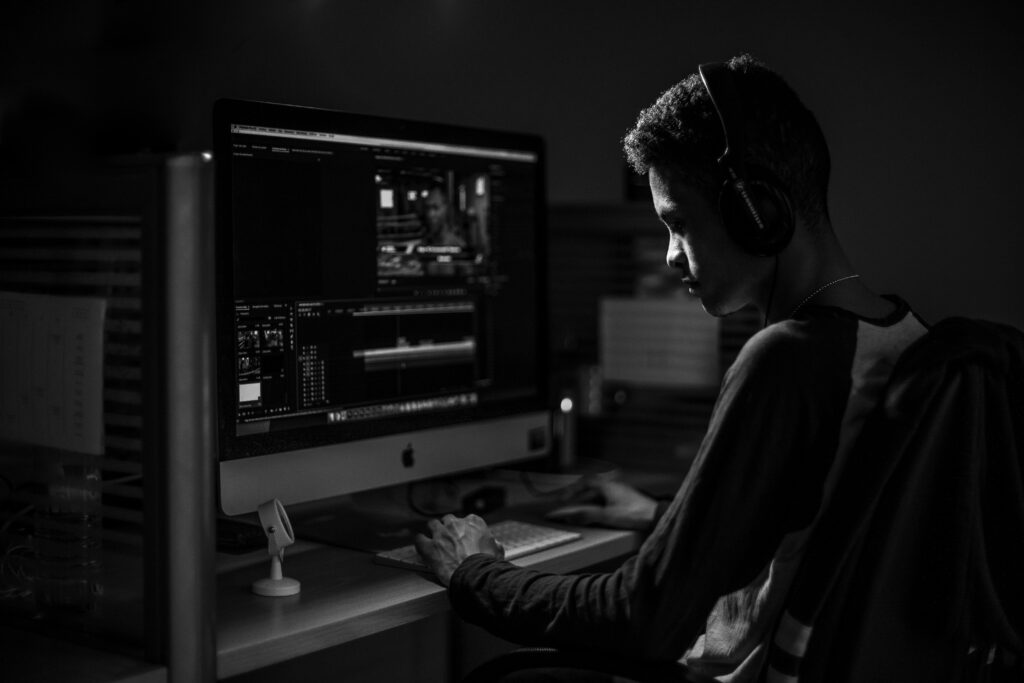
- Work on screens all day
- Experience anxiety
- Are visually detail-oriented
👉 Related: Anxiety and Vision Problems Explained
Dry Eyes and Tear Film Breakdown
Dryness is one of the most underestimated reasons vision changes throughout the day.
As the day progresses:
- Blink rate drops
- Tears evaporate faster
- Vision becomes smeary or fluctuating
Even mild dry eye can cause:
- Intermittent blur
- Burning
- Light sensitivity
👉 See Dry Eyes from Screen Use for deeper explanation.
Neck, Jaw, and Posture: The Overlooked Visual Trigger
Poor posture affects:
- Blood flow to the eyes
- Eye muscle coordination
- Brain-eye signaling
Forward head posture and jaw tension can trigger:
- Eye pressure
- Visual fatigue
- Difficulty focusing
This is why vision often worsens after long desk work.
Is It Normal That Vision Changes Throughout the Day?
Yes — to a degree.
Occasional visual fluctuation is normal, but persistent daily changes are a signal that something needs support, not that your eyes are “broken.”
Studies show that visual performance can decline by up to 30% by evening due to nervous system fatigue, tear film instability, and hormonal shifts — even in people with perfect eye exams.
Practical Ways to Stabilize Vision Throughout the Day
Visual Habits That Protect Clarity
- Follow the 20-20-20 rule
- Adjust screen height
- Reduce glare
- Increase blink awareness
Nervous System Support
- Morning sunlight exposure
- Short breaks without screens
- Controlled breathing
If you want to stop wondering why vision changes throughout the day while working, blue light protection is your first line of defense.

Nutrition That Supports Stable Vision
Key nutrients:
- Magnesium (muscle relaxation)
- Omega-3s (tear stability)
- B-complex (nerve signaling)
- Lutein & Zeaxanthin (retinal support)
Frequently Asked Questions
Is it related to why vision changes throughout the day if it feels worse at night?
Because nervous system fatigue, dry eyes, and hormonal shifts accumulate throughout the day.
Can anxiety cause vision changes throughout the day?
Yes. Anxiety heightens visual sensitivity and disrupts brain-eye processing.
Should I worry if my eye exam is normal?
Not necessarily. Functional vision problems often don’t appear on standard exams.
Self-Check: Why Vision Changes Throughout the Day
Click the boxes below to check your symptoms:
Does vision clear up after blinking? (Sign of Dry Eye)
Is blur worse after a heavy meal? (Blood Sugar Shift)
Do your eyes feel “tight” or “heavy”? (Muscle Tension)
Conclusion
Understanding why your vision changes throughout the day empowers you to take control instead of worrying unnecessarily.
Your eyes reflect your nervous system, metabolism, posture, and lifestyle. By supporting these systems — not just treating symptoms — you can stabilize your vision, reduce discomfort, and protect long-term eye health.
Clear vision isn’t just about your eyes — it’s about how your body functions as a whole.