

Introduction: Why Workplace Eye Safety Matters
Every day, thousands of workers experience eye injuries that could have been prevented. From flying particles and chemical splashes to prolonged digital screen exposure, workplace environments pose various risks to eye health. According to the American Academy of Ophthalmology, nearly 2,000 workers in the U.S. sustain eye injuries each day requiring medical treatment.
The good news? Experts estimate that over 90% of these injuries are preventable with proper awareness, protective equipment, and eye safety practices. Whether you work in construction, manufacturing, healthcare, or an office setting, understanding workplace eye safety is essential for protecting your vision and preventing long-term problems.
Nearly 2,000 workers sustain eye injuries every single day, yet 90% of them could be prevented with proper gear.
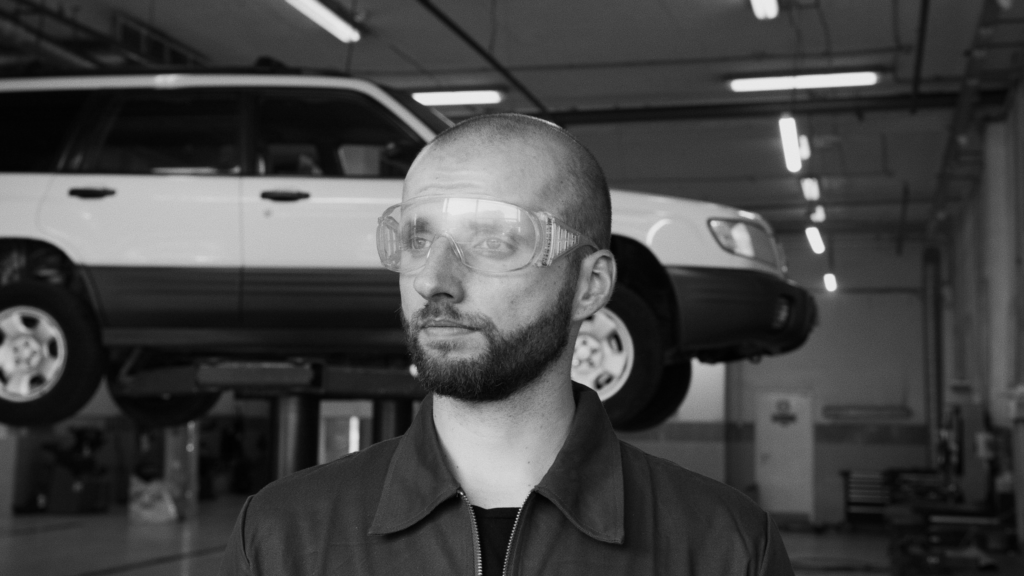
The Real Causes Behind Workplace Eye Safety Risks
1. Physical Hazards
- Flying debris or particles: dust, wood chips, metal fragments
- Impact injuries from tools or machinery
- Radiation exposure (welding, lasers, UV light)
2. Chemical Hazards
- Splashes from cleaning agents, solvents, or laboratory chemicals
- Gases or vapors causing irritation and burns
3. Biological Hazards
- In healthcare and lab environments: exposure to infectious fluids or microorganisms
4. Digital Eye Strain (Office Environments)
- Long hours on computers or digital devices
- Blue light exposure causing fatigue, blurred vision, and headaches
Workplace Hazard & Protection Matrix
| Hazard Type | Best Protection |
|---|---|
| Physical (Dust, Metal) | ANSI Safety Glasses |
| Chemical (Splashes) | Indirect Vent Goggles |
| Digital (Blue Light) | 20-20-20 Rule / Filters |
Short-Term vs. Long-Term Eye Risks
- Short-term: pain, redness, corneal abrasions, conjunctivitis, burns
- Long-term: cataracts (from UV/radiation), chronic dry eye, macular degeneration, or permanent vision loss from repeated trauma
Proven Strategies for Improving Workplace Eye Safety
1. Use Protective Eyewear
All protective equipment must comply with official OSHA Eye Protection standards to ensure maximum resistance to impacts and chemical agents
- Safety glasses (ANSI-certified)
- Goggles for chemical/biological work
- Face shields in welding or cutting tasks
- UV-protective glasses for outdoor work
Tip: Employers must provide proper PPE and ensure it’s worn consistently.
2. Follow OSHA and Safety Standards
Workplace safety agencies provide clear regulations on eye protection. Training and compliance prevent both accidents and legal issues.
3. Maintain Safe Work Practices
- Keep tools and machines well-maintained
- Use shields, screens, and barriers
- Implement proper signage for hazardous areas
4. Practice the 20-20-20 Rule (For Office Workers)
Every 20 minutes, look at something 20 feet away for at least 20 seconds. This reduces digital eye strain and prevents long-term fatigue.
5. Ensure Proper Lighting & Ergonomics
- Adjust monitor brightness and contrast
- Avoid glare with anti-reflective filters
- Position screens at arm’s length and slightly below eye level
6. First Aid and Emergency Response
- Know where the eye wash stations are located
- Immediate flushing with water after chemical exposure
- Prompt medical care for any eye injury
Workplace Eye Safety Protocol by Industry
Construction & Manufacturing
- Always wear impact-resistant safety glasses
- Use face shields for grinding or welding
- Protect against dust and airborne particles
Healthcare & Laboratories
- Goggles for chemical handling
- Face shields to prevent biological splashes
- Strict hygiene protocols

Office & Remote Work
- Adjust screen time and take frequent breaks
- Use blue light blocking glasses if needed
- Keep indoor humidity to avoid dry eyes
Outdoor Workers (Agriculture, Delivery, Security)
- UV-blocking sunglasses
- Wide-brimmed hats for extra protection
- Hydration to support tear production
Long-Term Eye Health at Work
Even if you avoid acute injuries, chronic workplace conditions can affect vision:
- UV exposure → Cataracts, macular degeneration
- Prolonged screen use → Digital eye strain, dry eyes
- Repetitive strain → Reduced focusing ability over time
Prevention strategies:
- Annual comprehensive eye exams
- Early detection of eye diseases
- Employer wellness programs for vision care
Role of Employers in Eye Safety
Employers play a vital role in ensuring workplace eye safety by:
- Providing certified PPE and training
- Implementing clear safety protocols
- Maintaining proper work environment (ventilation, lighting)
- Encouraging routine eye exams for employees
Statistics That Highlight the Importance of Eye Safety
- 2,000+ daily work-related eye injuries in the U.S. (AAO)
- $300 million annual cost in lost productivity and medical expenses
- 90% of injuries preventable with proper protection
Protect Your Vision Further:
❓ FAQ Section
👉 What are the most common workplace eye injuries?
The most frequent include chemical splashes, foreign objects like dust or metal, and trauma from impact.
👉 How can I prevent eye injuries at work?
Wearing appropriate safety eyewear, ensuring proper lighting, and following safety protocols are key preventive measures.
👉 Do office workers also need to worry about eye safety?
Yes. Office workers are prone to digital eye strain, dry eyes, and long-term vision issues caused by poor ergonomics and screen exposure.
👉 When should I see an eye doctor after an injury?
Immediately. Even minor injuries can lead to complications if left untreated.
👉 Are employers required to provide eye protection?
In most countries, occupational safety regulations require employers to supply protective eyewear for high-risk environments.
Don’t wait for an injury to happen.
Read our complete guide on Digital Eye Strain to protect your eyes at the office.
Protect Your Eyes Now →Conclusion: Protecting Your Eyes for a Lifetime of Vision
Your vision is one of your most valuable assets. Eye injuries at work can happen in an instant, but their consequences can last a lifetime. Whether you’re operating heavy machinery, handling chemicals, or spending hours at a desk, taking proactive steps to protect your eyes is crucial.
With the right protective gear, safe work practices, and regular eye checkups, you can dramatically reduce your risk of injury and safeguard your vision for the future.
A Note from the Founder
"I started CVT because eye health is personal to me. After losing sight in my left eye due to a childhood injury and managing high intraocular pressure for decades, I’ve dedicated my life to finding the best ways to protect the vision we have. Every piece of advice on this site is researched with that same level of care and responsibility. Thank you for being here."