
Introduction
Antioxidants and vision are scientifically linked in the fight against cellular aging and environmental damage. While we often focus on external protection like sunglasses, the internal defense provided by Vitamins A, C, and E is what truly preserves the delicate structures of your retina. By understanding the synergy between antioxidants and vision, you can proactively neutralize free radicals before they lead to permanent sight-threatening conditions.
Your eyes are among the most complex and delicate organs in the human body. They are also highly susceptible to oxidative stress caused by free radicals, UV exposure, digital strain, and aging. Over the years, research has consistently shown that antioxidants—especially vitamins A, C, and E—play a vital role in protecting your vision and lowering the risk of sight-threatening conditions such as cataracts, age-related macular degeneration (AMD), and dry eyes.
This article explores in detail how these vitamins work, what foods to find them in, and how much you really need for long-term vision protection.
What Are Antioxidants and Why Do They Matter for Eye Health?
Antioxidants are molecules that neutralize harmful free radicals. Free radicals damage cells by causing oxidative stress, which accelerates aging and increases the risk of chronic diseases—including those that affect your eyes.
Your eyes are constantly exposed to light and oxygen, making them especially vulnerable to oxidative damage. This is where vitamins A, C, and E come in: they act as natural defenders of your vision.
Vitamin A: The Vision Vitamin
Role in Eye Health
- Essential for the formation of rhodopsin, a protein in your eyes that helps you see in low-light conditions.
- Maintains the health of the cornea, the clear front surface of your eye.
- Prevents night blindness and reduces the risk of xerophthalmia, a severe dryness of the eyes that can lead to blindness.
Food Sources
- Carrots
- Sweet potatoes
- Spinach
- Kale
- Beef liver
- Dairy products
Recommended Intake
The recommended daily allowance (RDA) for vitamin A is about 700 mcg for women and 900 mcg for men.
Risks of Deficiency
- Poor night vision
- Dry eyes
- Higher susceptibility to eye infections
While Vitamin A is crucial for night vision, it is only one piece of the ocular puzzle. To see how nutrition fits into the broader context of age-related eye care and modern biohacking, explore our Vision Health HUB, where we consolidate the latest research on maintaining 20/20 clarity through every stage of life.
Did you know? 💡 A deficiency in vitamin A is the leading cause of preventable blindness in children worldwide.
Vitamin C: The Eye’s UV Shield
Role in Eye Health
- Protects against cataracts by reducing oxidative stress caused by UV light exposure.
- Supports collagen production in the cornea and blood vessels of the retina.
- Works synergistically with vitamin E to enhance antioxidant protection.
Food Sources
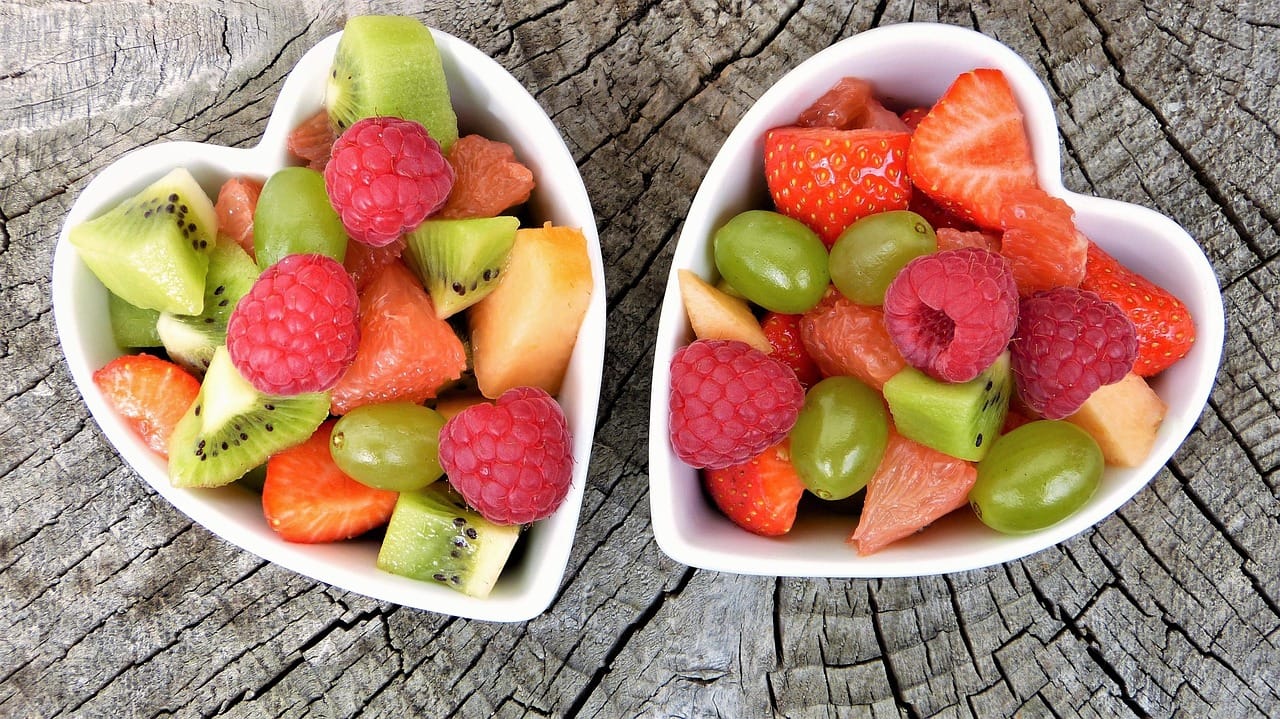
- Oranges
- Strawberries
- Red bell peppers
- Broccoli
- Kiwi
- Brussels sprouts
Recommended Intake
Adults should aim for 75 mg daily (women) and 90 mg (men). Higher doses may be beneficial for those at risk of eye disease, but megadoses should be avoided without medical supervision.
Useful Tip: Eat citrus fruits, bell peppers, broccoli, and kale daily to naturally boost your vitamin C intake.
Vitamin E: The Retinal Protector
Role in Eye Health
- Protects the delicate fatty acids in the retina from oxidative damage.
- Reduces the progression of age-related macular degeneration (AMD).
- Works with vitamin C to regenerate its antioxidant properties, providing a stronger defense against oxidative stress.
Food Sources
- Almonds
- Sunflower seeds
- Hazelnuts
- Wheat germ oil
- Spinach
Recommended Intake
The RDA for vitamin E is 15 mg per day for adults.
Antioxidants and Age-Related Macular Degeneration (AMD)
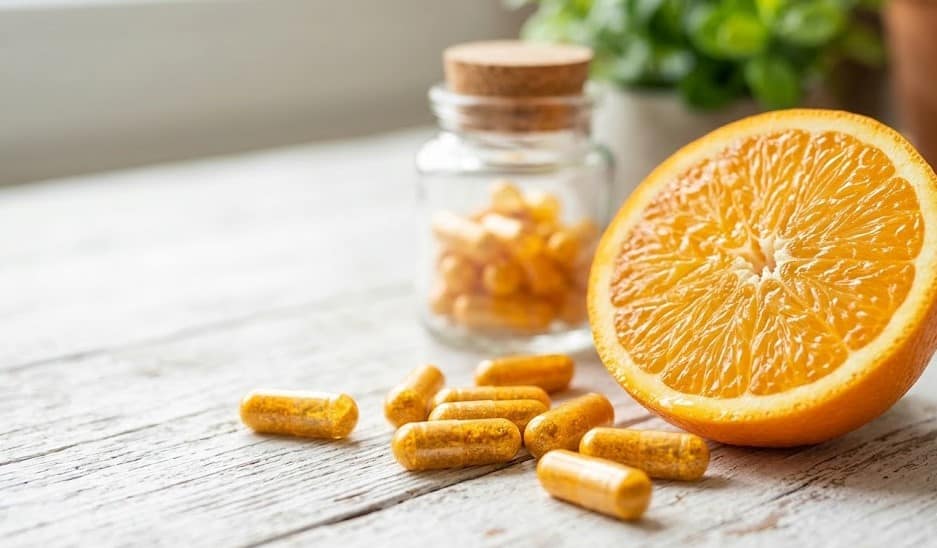
The AREDS (Age-Related Eye Disease Study) and AREDS2 clinical trials showed that high-dose supplementation with vitamins C, E, beta-carotene (or lutein/zeaxanthin), and zinc significantly slowed the progression of AMD in individuals at high risk.
This groundbreaking study confirmed what eye specialists long suspected: antioxidants are not just beneficial but crucial for long-term vision preservation.
According to the National Eye Institute (NEI), the specific combination of antioxidants and vision support found in the AREDS2 formula reduced the risk of advanced AMD progression by approximately 25%
Antioxidants and Cataract Prevention
Cataracts form when the proteins in your eye’s lens clump together, causing clouding. Antioxidants such as vitamins C and E help delay this process by protecting the lens from oxidative stress and UV-induced damage.
Did you know? 💡 AREDS2 (Age-Related Eye Disease Study) found that a specific combination of antioxidants reduced advanced AMD risk by 25%.
AREDS 2 Clinically Proven Eye Support
The strongest link between antioxidants and vision was discovered in the AREDS studies. This professional-grade supplement combines Vitamin C, E, Zinc, and Copper with Lutein to shield your macula from oxidative stress and UV-induced decline.
Should You Supplement or Just Eat a Healthy Diet?
While it’s always best to get your nutrients from whole foods, certain people may benefit from supplementation:
- Older adults at risk of AMD
- Smokers or those exposed to high oxidative stress
- People with poor dietary intake
However, excessive supplementation can be harmful. For example, too much vitamin A can be toxic, and high doses of vitamin E may increase bleeding risk. Always consult with your eye doctor before beginning supplements.
Lifestyle Habits That Boost Antioxidant Benefits
- Quit smoking: Smoking increases oxidative stress and depletes vitamin C levels.
- Wear sunglasses: Protects your eyes from UV damage.
- Eat a balanced diet: Focus on colorful fruits and vegetables rich in antioxidants.
- Limit alcohol: Excessive alcohol consumption impairs antioxidant defenses.
The importance of these micronutrients stems from their function as potent antioxidants. The role of antioxidants in neutralizing harmful free radicals—the molecules responsible for oxidative stress and cellular aging—is a critical component of eye protection, as confirmed by the National Institutes of Health (NIH) fact sheet on dietary antioxidants .
Frequently Asked Questions (FAQ)
Q1: Is it possible to get enough antioxidants and vision support through diet alone?
A: Yes, most healthy individuals can obtain sufficient antioxidants and vision nutrients through a colorful, balanced diet. However, for those at a higher risk of age-related macular degeneration (AMD) or cataracts, specialized supplements following the AREDS2 formula may be necessary to provide therapeutic levels that food alone cannot reach.
Q2: Do antioxidants and vision-focused nutrients really prevent eye diseases?
A: While antioxidants and vision supplements cannot “cure” existing eye diseases, clinical research proves they can significantly delay the onset and reduce the progression of age-related conditions. By neutralizing free radicals, these nutrients preserve retinal thickness and lens clarity over time.
Q3: Are there any side effects of taking too many antioxidants and vision supplements?
A: Precision is key in biohacking. While antioxidants and vision health depend on these vitamins, excessive Vitamin A can become toxic to the liver, and megadoses of Vitamin E may interfere with blood-clotting mechanisms. Always adhere to the Recommended Daily Allowance (RDA) unless otherwise directed by your eye specialist.
Q4: Should children start using antioxidants and vision boosters early?
A: For children, the best form of antioxidants and vision protection comes from whole foods like carrots, spinach, and citrus fruits. Unless a child has a specific medical deficiency, supplements are rarely needed; focusing on sun protection and limiting screen time is far more effective at a young age.
Q5: How do carotenoids differ from the primary antioxidants and vision vitamins (A, C, and E)?
A: Vitamins A, C, and E are broad-spectrum antioxidants that protect various eye tissues from oxidative stress. Carotenoids like Lutein and Zeaxanthin are specialized antioxidants and vision protectors that specifically accumulate in the macula, acting as “internal sunglasses” by filtering harmful high-energy blue light.
Did you know? 💡 Small, consistent dietary changes can do more for your eyes than expensive treatments later in life.
Conclusion
Antioxidants, particularly vitamins A, C, and E, are essential allies in protecting your vision. From reducing your risk of night blindness and cataracts to slowing age-related macular degeneration, these vitamins form the cornerstone of long-term eye health.
By making dietary choices rich in antioxidant-rich foods—or supplementing under the guidance of your doctor—you can ensure that your eyes stay strong, clear, and healthy well into old age.
A Note from the Founder
"I started CVT because eye health is personal to me. After losing sight in my left eye due to a childhood injury and managing high intraocular pressure for decades, I’ve dedicated my life to finding the best ways to protect the vision we have. Every piece of advice on this site is researched with that same level of care and responsibility. Thank you for being here."

