Introduction: Why What You Eat Shapes What You See
Optimizing your nutrition for eye health is the ultimate biological insurance policy for your vision. While many treat eyesight as a fading asset, a strategic approach to nutrition for eye health—focusing on macular pigments and retinal repair—can stop or even reverse age-related decline. Understanding the link between nutrition for eye health and longevity is non-negotiable for digital workers.
Most people think of vision problems as something inevitable — a natural part of aging that can’t be avoided.
But science now tells a different story: what you eat directly influences how well you see.
Your eyes are complex, energy-hungry organs that depend on a steady supply of nutrients to function properly. Every blink, every image your brain processes, depends on vitamins, minerals, and antioxidants you get (or don’t get) from your diet.
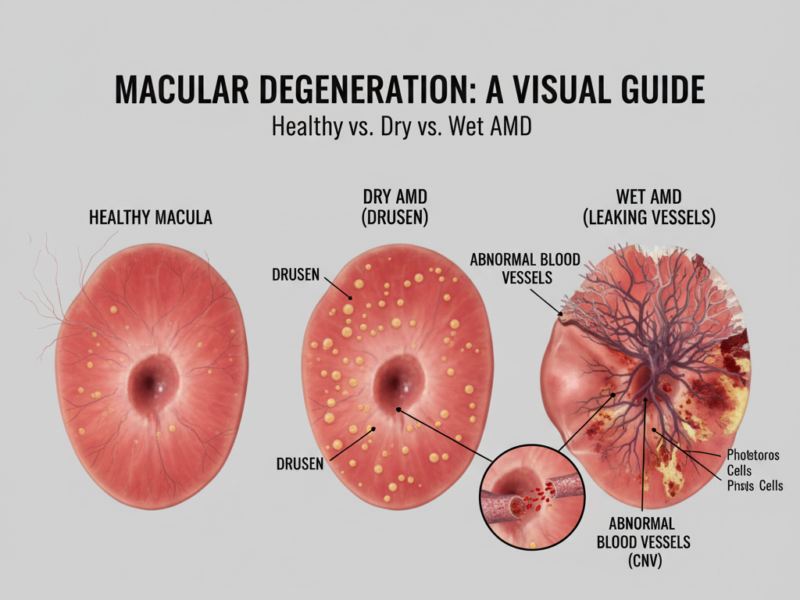
Over the past decade, researchers have discovered that poor nutrition is one of the leading contributors to preventable vision loss, including cataracts, age-related macular degeneration (AMD), and diabetic retinopathy.
At the same time, a diet rich in antioxidants, carotenoids, and omega-3 fatty acids can slow — and even reverse — early signs of visual decline.
In this guide, we’ll explore the essential nutrients that protect your eyesight, the foods that provide them, and how to create a vision-boosting diet that supports your eyes for life.
1. How the Eyes Depend on Nutrition
Your eyes are among the most metabolically active organs in your body.
The retina — a thin, light-sensitive layer at the back of the eye — consumes more oxygen per gram of tissue than the brain or heart. This high demand for energy makes it extremely vulnerable to oxidative stress, a process caused by free radicals.
If the diet doesn’t provide enough antioxidants and essential nutrients, these free radicals damage cells in the retina and lens, leading to conditions like cataracts, AMD, and even glaucoma.
Understanding how nutrients reach your retinal cells is vital, but diet is just one pillar of ocular wellness. To see how lifestyle, sleep, and genetics complete the puzzle, visit our Vision Health HUB, where we consolidate the latest research on total eye protection. Without consistent nutrition for eye health, the retina’s high metabolic rate leads to rapid cellular burnout and inflammation.
Key takeaway:
Every visual process — from light detection to color recognition — depends on nutritional molecules acting as protectors, fuel, and repair agents.
2. Essential Nutrients for Healthy Vision
🧡 Vitamin A – The Vision Vitamin
Vitamin A (retinol) forms the pigment rhodopsin, essential for low-light and color vision.
A deficiency can cause night blindness, dry eyes, and corneal damage.
Best sources: carrots, sweet potatoes, pumpkin, spinach, and eggs.
🥕 Did you know? Just one medium carrot provides more than 200% of your daily Vitamin A needs.
💛 Lutein & Zeaxanthin – The Natural Blue-Light Filters
These carotenoids concentrate in the macula, the central part of your retina responsible for sharp vision.
They act like internal sunglasses, filtering harmful blue light from screens and sunlight.
Rich food sources: spinach, kale, collard greens, corn, eggs, and orange peppers.
Studies show that people who eat leafy greens regularly have a 40% lower risk of macular degeneration.
💚 Vitamin C – The Antioxidant Shield
Vitamin C prevents oxidation in the lens — a major factor in cataract formation.
It also strengthens eye blood vessels and supports collagen in the cornea.
Best sources: oranges, kiwis, strawberries, bell peppers, and broccoli.
💙 Vitamin E – The Defender of Retinal Cells
Vitamin E protects fatty tissues in the retina from oxidative stress.
Paired with Vitamin C, it works synergistically to slow the progression of AMD.
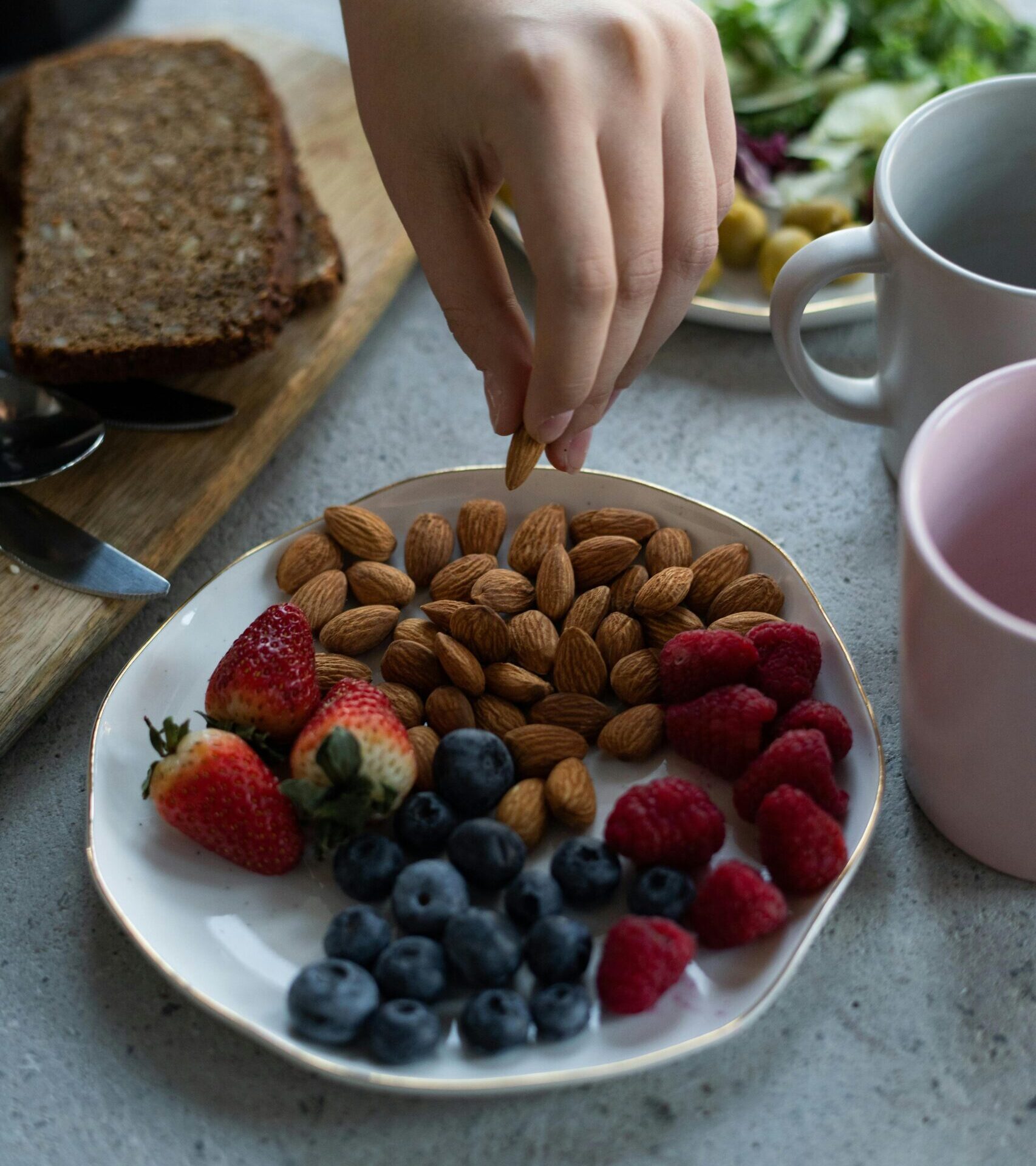
Food sources: almonds, sunflower seeds, hazelnuts, and avocado.
Did You Know?
- Your retina consumes more oxygen than any other tissue in the body — making it highly sensitive to nutritional deficiencies.
- Lutein and zeaxanthin act like natural sunscreen for your eyes, filtering harmful blue light.
- People who eat leafy greens at least 3 times a week have up to 40% lower risk of macular degeneration.
🩵 Zinc – The Vision Connector
Zinc helps transport Vitamin A from the liver to the retina, where it forms protective pigments.
Low zinc levels have been linked to poor night vision and early-onset AMD.
Best sources: oysters, beef, lentils, and pumpkin seeds.
🩷 Omega-3 Fatty Acids – The Dry Eye Relief
Omega-3s, particularly DHA, are essential for retinal structure and tear production.
They help reduce inflammation and support the tiny glands that keep your eyes moist.
Top sources: salmon, sardines, flaxseed, chia seeds, and walnuts.
💧 Pro tip: If you work long hours at a screen, adding omega-3s can reduce dry-eye symptoms by up to 30%.
🧠 B Vitamins – The Neuroprotective Team
B6, B9 (folate), and B12 help lower homocysteine, an amino acid that increases the risk of retinal and vascular damage.
They also support optic nerve function and visual processing speed.
Food sources: eggs, legumes, spinach, and fortified cereals.
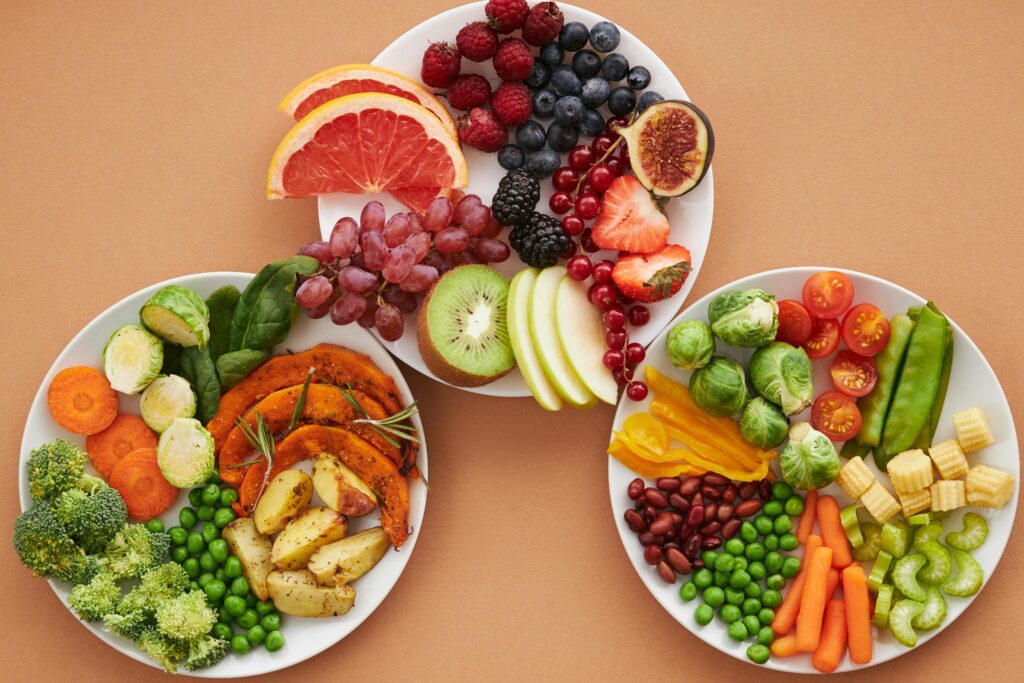
3. Superfoods That Protect Your Eyesight
| Food | Key Nutrients | Eye Health Benefits |
|---|---|---|
| Spinach & Kale | Lutein, Zeaxanthin | Blue light protection |
| Carrots & Sweet Potatoes | Vitamin A | Night vision, corneal health |
| Salmon & Sardines | Omega-3 (DHA, EPA) | Retinal health, tear production |
| Eggs | Lutein, Zinc | Prevents macular degeneration |
| Blueberries | Anthocyanins | Improve retinal circulation |
| Nuts & Seeds | Vitamin E, Omega-3 | Prevent oxidation & dryness |
| Oranges & Kiwis | Vitamin C | Protect against cataracts |
4. How Antioxidants Protect Your Eyes
Antioxidants are the core components of effective nutrition for eye health. They act as biological scavengers, neutralizing free radicals that target the lens and macula. Clinical trials, like the AREDS study, emphasize that nutrition for eye health is incomplete without high-dose Vitamin C and E to prevent protein clumping in the lens.
A long-term study by the National Eye Institute (AREDS) showed that high doses of antioxidants (C, E, zinc, and beta-carotene) reduced the risk of advanced AMD by 25%.
The American Academy of Ophthalmology emphasizes that consistent nutrition for eye health is a major factor in reducing the long-term risk of cataracts.
🧩 The AREDS2 formula (without beta-carotene) is now the gold standard in eye-health supplements.
5. The Link Between Diet and Digital Eye Strain
Modern lifestyles mean 7–9 hours of daily screen exposure. Blue light, glare, and reduced blinking increase oxidative stress.
Nutrition plays a key role in defense:
- Lutein and zeaxanthin absorb blue light.
- Omega-3s reduce dryness from screen fatigue.
- Antioxidants (C, E, zinc) protect against inflammation and oxidative cell damage.
Adding more colorful vegetables, oily fish, and seeds is an internal blue-light filter for your eyes.
Related Articles
6. Hydration, Gut Health, and Vision
Your eyes rely on a stable tear film — 98% water.
Dehydration causes dryness, irritation, and blurred vision. Drink 6–8 glasses of water daily, and include water-rich foods like cucumber, oranges, and tomatoes.
Gut health also affects eye inflammation. A balanced microbiome supports nutrient absorption and lowers oxidative stress.
Fermented foods (yogurt, kefir, kimchi) and fiber-rich vegetables boost gut-eye connection.
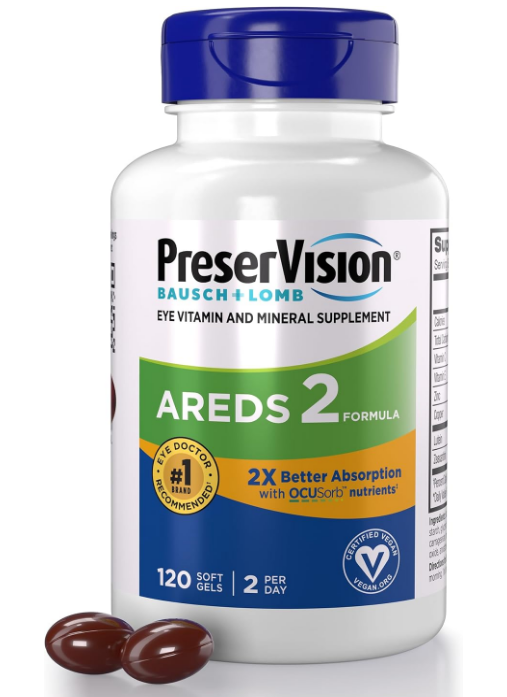
Clinical Vision Support Formula
If your daily nutrition for eye health is lacking, this AREDS 2 based supplement provides the exact levels of Lutein, Zeaxanthin, and Zinc needed to protect your macula from blue light and aging.
7. The Vision-Boosting Meal Plan (Sample 7-Day)
7-Day Vision-Boosting Meal Plan
Fuel your eyes with the right nutrients every single day.
8. Supplements — When Diet Isn’t Enough
While food should be your main source of nutrients, some individuals benefit from supplements — especially those with AMD, diabetes, or nutrient malabsorption.
Look for eye health formulas containing:
- Lutein (10 mg) and Zeaxanthin (2 mg)
- Vitamin C (500 mg), Vitamin E (400 IU)
- Zinc (25–40 mg)
- Copper (2 mg)
- Omega-3 DHA (500–1000 mg daily)
Always consult an eye specialist before starting supplements.
9. Common Nutrition Mistakes That Harm Vision
Many people fail at nutrition for eye health by consuming too many processed seed oils, which promote inflammation in the retinal blood vessels.
❌ Too much sugar → increases risk of diabetic retinopathy
❌ Low omega-3 intake → worsens dry eyes
❌ Overcooking vegetables → destroys antioxidants
❌ Skipping breakfast → lowers nutrient absorption
❌ Too much processed food → promotes oxidative stress
10. Lifestyle Tips for Protecting Vision
- Practice the 20-20-20 rule for screen breaks.
- Get outdoor daylight for at least 15 minutes daily (boosts circadian rhythm and dopamine for eye development).
- Avoid smoking — it doubles the risk of cataracts and macular degeneration.
- Maintain a healthy weight and control blood sugar.
- Schedule annual eye exams — prevention is everything.
🧠 Did You Know?
The macula — responsible for sharp central vision — is only 5mm wide, yet it contains more than 100,000 light-sensitive cells per square millimeter.
A single meal rich in lutein can increase macular pigment density within hours.
Common Questions About Nutrition for Eye Health
Q: Can nutrition for eye health reduce the risk of glaucoma?
A: Yes. Specific nutrition for eye health, such as high-nitrate leafy greens and antioxidants, has been shown to support healthy ocular blood flow and reduce the risk of optic nerve damage.
Q: What is the biggest mistake in nutrition for eye health?
A: The most common error in nutrition for eye health is consuming too much refined sugar and seed oils, which promote the oxidative stress that vitamins try to prevent.
Q: Is hydration part of nutrition for eye health?
A: Absolutely. Nutrition for eye health relies on water to transport these vital vitamins to your ocular tissues and maintain a healthy tear film.
Q: Can specific nutrition for eye health reduce sensitivity to digital blue light?
A: Absolutely. Targeted nutrition for eye health that is rich in the carotenoids lutein and zeaxanthin acts as a biological shield. These specific nutrients accumulate in the macula and function as internal optical filters, absorbing up to 40% of harmful blue light before it reaches the delicate photoreceptors. By prioritizing nutrition for eye health, you are effectively upgrading your eyes’ natural defense system against modern screen fatigue and oxidative stress.
🧩 Key Takeaway
Nutrition is not a side factor in eye care — it’s the foundation.
Every bite either fuels your vision or feeds its decline.
By combining colorful foods, healthy fats, and proper hydration, you give your eyes the nutrients they need to stay strong for decades.
A Note from the Founder
"I started CVT because eye health is personal to me. After losing sight in my left eye due to a childhood injury and managing high intraocular pressure for decades, I’ve dedicated my life to finding the best ways to protect the vision we have. Every piece of advice on this site is researched with that same level of care and responsibility. Thank you for being here."