
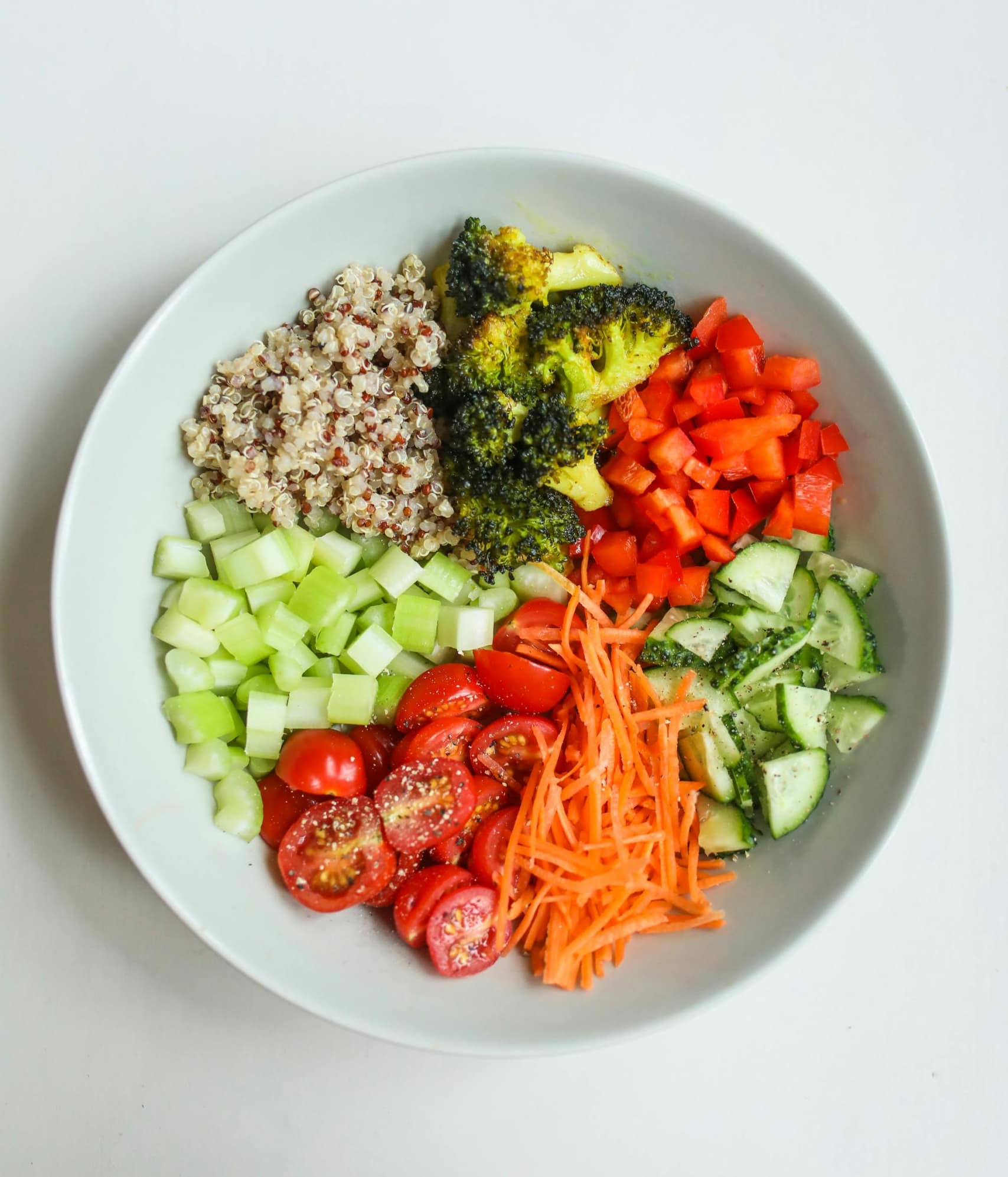
Boost your eye health naturally with these science-backed, nutrient-rich foods for sharper vision and long-term protection.
👁️ Introduction: Why Nutrition Matters for Eye Health
Good nutrition for healthy eyes is more important than ever — especially in today’s screen-filled world where our vision is constantly under strain. From smartphones to computers, your eyes need the right nutrients to stay sharp and strong.
Your eyes are among the most metabolically active organs in your body — constantly working to process light, movement, and color while sending millions of signals to your brain every second.
Because of this constant activity, they are especially susceptible to oxidative stress, nutrient deficiencies, and inflammation.
A nutrient-rich diet doesn’t just sharpen your vision — it plays a direct role in preventing age-related macular degeneration (AMD), cataracts, glaucoma, and dry eye syndrome.
Studies from the National Eye Institute (NEI) show that certain nutrients like lutein, zeaxanthin, omega-3s, zinc, and vitamins A, C, and E can reduce the risk of major eye diseases by up to 25%.
| Nutrient | Best Source | Primary Benefit |
|---|---|---|
| Lutein | Spinach / Kale | Blue Light Filter |
| Omega-3 | Salmon / Sardines | Dry Eye Relief |
| Anthocyanins | Blueberries | Night Vision |
🔬 The Science Behind Eye Nutrition
Your retina and macula are constantly bombarded by light and oxygen. Over time, free radicals — unstable molecules produced by UV exposure, pollution, or poor diet — damage retinal cells and accelerate aging.
Here’s how key nutrients help combat this:
- Lutein & Zeaxanthin: Filter harmful blue light and protect the macula.
- Omega-3 (DHA & EPA): Support tear production and neural communication.
- Vitamin C & E: Act as antioxidants, defending against oxidative stress.
- Zinc: Aids vitamin A in producing melanin for retinal protection.
- Beta-Carotene (Vitamin A): Maintains clear cornea and prevents night blindness.
While eating the right vitamins is crucial, a holistic approach to ocular wellness also involves lifestyle habits and regular checkups. To see how your diet fits into a broader wellness plan, visit our Vision Health HUB, where we explore everything from sleep hygiene to advanced biohacking for your eyes. Extensive clinical research published by the National Eye Institute confirms that consistent nutrition for healthy eyes is the most effective biological defense against age-related macular degeneration.
👉 Related Reading: Antioxidants and Vision: How Vitamins A, C, and E Protect Your Eyesight Naturally
🥬 1. Leafy Green Vegetables (Spinach, Kale, Collard Greens)
Leafy greens are powerhouses of lutein and zeaxanthin, two carotenoids concentrated in the macula that help filter high-energy blue light and neutralize free radicals.
Key Benefits:
- Protect against macular degeneration and cataracts
- Support retinal cell health
- Reduce oxidative damage from screen use and sunlight
Nutrient Highlights:
- Vitamin K, Vitamin C, Folate, Magnesium
- 20 mg lutein per cup of cooked spinach
How to Use:
- Add kale or spinach to smoothies or omelets
- Drizzle olive oil to boost absorption (fat-soluble carotenoids)
💡 Did you know? People who eat leafy greens 3+ times per week have a 43% lower risk of developing AMD, according to the American Journal of Clinical Nutrition.

🥕 2. Carrots and Sweet Potatoes
Carrots are packed with beta-carotene, which the body converts into vitamin A, essential for clear corneas and night vision.
Benefits:
- Prevents night blindness
- Protects cornea and retina
- Reduces risk of dry eyes
Sweet potatoes contain similar benefits, offering more antioxidants and fiber. Carrots have long been the face of nutrition for healthy eyes, providing the essential beta-carotene needed for night vision.
Pro Tip: Combine carrots with healthy fats (like avocado) to enhance absorption of fat-soluble vitamins.
🐟 3. Fatty Fish (Salmon, Sardines, Mackerel)
Fatty fish provide DHA and EPA, essential omega-3 fatty acids that make up retinal membranes and reduce inflammation.
Benefits:
- Reduces dry eye syndrome
- Prevents AMD progression
- Enhances tear production and retinal function
How Often to Eat:
2–3 servings per week (wild-caught preferred).
For vegetarians, algae-based omega-3 supplements are effective alternatives.
💡 Did you know? The retina contains the highest DHA concentration of any body tissue.
🥚 4. Eggs
Eggs are nature’s eye-care multivitamin — rich in vitamin A, zinc, lutein, and zeaxanthin.
Benefits:
- Improves macular pigment density
- Protects against cataracts
- Helps absorb carotenoids better than vegetables alone
Pro Tip: Scrambled eggs with spinach or kale increase antioxidant synergy.
🍊 5. Citrus Fruits (Oranges, Grapefruits, Lemons)
Citrus fruits provide vitamin C, a powerful antioxidant that supports collagen formation in the cornea and strengthens blood vessels in the retina. Including vitamin C in your nutrition for healthy eyes routine helps maintain the integrity of delicate ocular blood vessels.
Benefits:
- Reduces cataract risk by 20%
- Promotes healthier capillaries in the eyes
- Enhances absorption of other antioxidants
Add To Diet:
Fresh-squeezed juice in the morning or slices of orange as a midday snack.
🌰 6. Nuts and Seeds (Almonds, Walnuts, Chia, Flax)
Rich in vitamin E and omega-3, nuts and seeds protect the retina from oxidative damage and improve tear quality.
Benefits:
- Supports oil layer in tears (reduces dryness)
- Prevents inflammation in retinal tissue
- Provides sustained antioxidant protection
A handful of almonds provides nearly half your daily vitamin E needs.

NOW Lutein & Zeaxanthin
High-potency formula with 25mg Lutein and 5mg Zeaxanthin. Clinically proven to enhance visual performance and protect against blue light.
🫐 7. Berries (Blueberries, Strawberries, Blackberries)
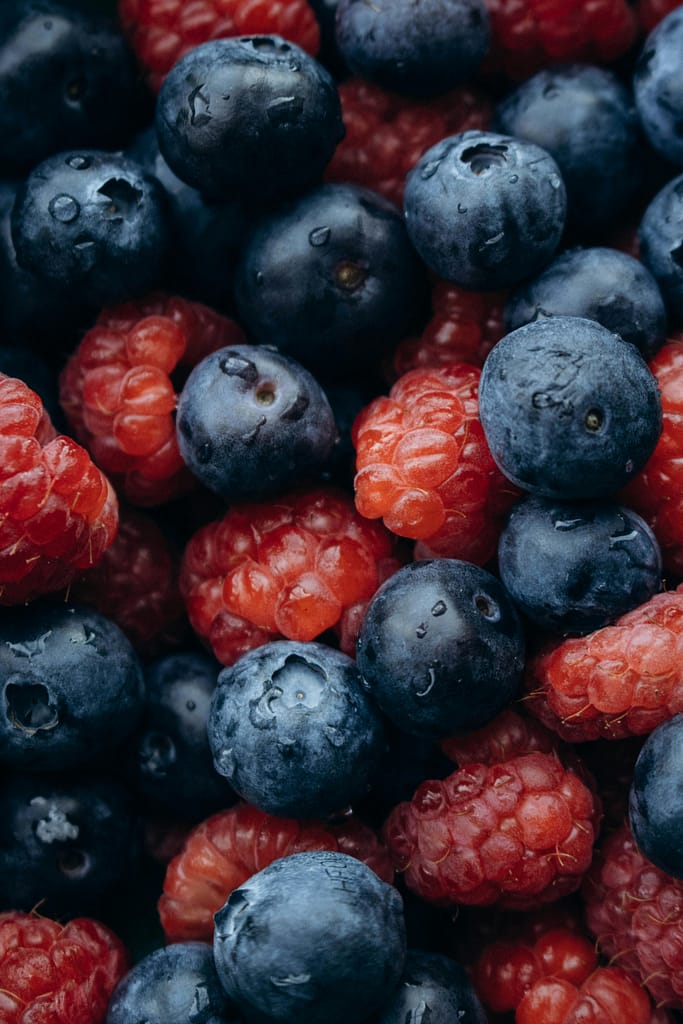
Berries are loaded with anthocyanins, natural pigments that protect the retina and improve microcirculation in the eyes.
Benefits:
- Improve night vision
- Protect against diabetic retinopathy
- Reduce oxidative stress
💡 Bilberry extract (found in supplements) has shown to enhance night vision and reduce eye fatigue in multiple clinical trials.
🚫 Foods to Avoid for Optimal Eye Health
Even the best foods can’t undo damage from unhealthy habits. Avoid:
- Processed foods high in trans fats
- Sugary drinks (linked to diabetic retinopathy)
- Refined carbs that spike blood sugar
- Excessive alcohol (reduces vitamin absorption)
Poor dietary choices can quickly negate the benefits of your nutrition for healthy eyes efforts by causing systemic inflammation.
🥗 Sample Meal Plan for Eye Health
| Meal | Example | Key Nutrients |
|---|---|---|
| Breakfast | Kale & berry smoothie + chia seeds | Lutein, Vitamin C, Omega-3 |
| Lunch | Grilled salmon + spinach salad | DHA, Vitamin E, Zinc |
| Snack | Orange + handful of almonds | Vitamin C, Vitamin E |
| Dinner | Sweet potato + boiled eggs | Beta-carotene, Lutein |
| Before Bed | Bilberry tea | Anthocyanins, antioxidants |
💊 Recommended Eye Supplements (2026 Update)
- PreserVision AREDS 2 Formula — clinically proven for AMD support.
- Bausch + Lomb Ocuvite 50+ — full daily vitamin blend for adults.
- Performance Lab Vision — bilberry + astaxanthin + lutein formula.
- Omega-3 Fish Oil (Triple Strength) — dry eye and retina support.
- Garden of Life Vitamin Code Multivitamin — plant-based, clean formula.
🧩 How to Incorporate These Foods into Your Diet
✅ Start your day with leafy greens and berries
✅ Include fatty fish 2–3 times weekly
✅ Snack on almonds or walnuts daily
✅ Use olive oil instead of processed fats
✅ Stay hydrated — dehydration worsens dryness
Consistency is the key — your eyes benefit from long-term nutrient patterns, not short-term “superfood fixes.”
A targeted diet plays a critical role in preventing major eye diseases. To understand the depth of this research, readers should consult authoritative sources such as the World Health Organization’s (WHO) findings on the global prevalence of vision impairment , which underscores the necessity of preventative nutrition.
❓ Extended FAQ
Q: Why is nutrition for healthy eyes important for digital workers?
A: Digital workers face constant high-energy blue light; proper nutrition for healthy eyes provides the macular pigments (Lutein) needed to filter this light and prevent digital eye strain.
Q: Can nutrition for healthy eyes replace prescription glasses?
A: No. While nutrition for healthy eyes supports retinal health and can improve clarity, it cannot correct structural refractive errors like astigmatism or myopia.
Q: What is the most important vitamin in nutrition for healthy eyes?
A: Vitamin A is considered the foundation of nutrition for healthy eyes because it creates the pigments needed for the retina to function in low-light conditions.
Q: Can nutrition for healthy eyes reduce the symptoms of digital eye strain?
A: Yes, specifically. Nutrition for healthy eyes that is rich in Lutein and Zeaxanthin acts as a natural blue-light filter, absorbing high-energy visible light from screens and significantly reducing the fatigue associated with long hours of computer work.
Q: Is it possible to reverse vision loss through nutrition for healthy eyes?
A: While nutrition for healthy eyes cannot fix structural issues like myopia or astigmatism, it can effectively slow down the progression of degenerative diseases and improve the functional clarity of the retina by reducing oxidative stress and inflammation.
📚 Scientific References
- National Eye Institute (NEI) – AREDS2 Study on AMD Prevention
- Harvard Health Publishing – Nutrition and Eye Health
- American Journal of Clinical Nutrition – Lutein and Zeaxanthin Research
- British Journal of Ophthalmology – Omega-3 and Dry Eye Study
- NIH.gov – Vitamin A and Visual Function
✅ Key Takeaway
Your eyes reflect your overall health.
By embracing a nutrition-rich lifestyle, you can protect your vision, enhance clarity, and prevent age-related decline naturally.
🌿 Eat smart. See better. Live clearer.
A Note from the Founder
"I started CVT because eye health is personal to me. After losing sight in my left eye due to a childhood injury and managing high intraocular pressure for decades, I’ve dedicated my life to finding the best ways to protect the vision we have. Every piece of advice on this site is researched with that same level of care and responsibility. Thank you for being here."

