💤 Introduction: The Overlooked Link Between Sleep and Eye Health
The eye health sleep connection is a fundamental biohack that determines how your vision recovers from daily digital strain. While most people focus only on blue light filters, understanding the deep eye health sleep connection—from circadian rhythms to hormonal repair—is the real secret to maintaining 20/20 clarity in a screen-dominated world.
During sleep, your eyes undergo crucial recovery processes — replenishing tears, repairing cells, and balancing ocular pressure. Poor sleep, disrupted circadian rhythms, or blue light exposure before bed can cause chronic dryness, inflammation, blurred vision, and even increase the risk of glaucoma and myopia.
The digital era has made matters worse: screen exposure late at night suppresses melatonin, keeps the brain alert, and interferes with your eyes’ ability to rest and regenerate.
In this comprehensive guide, you’ll learn how the sleep–eye connection works, what hormones regulate it, and which strategies can restore both your vision and sleep quality.
🧬 Section 1: How Sleep Affects Eye Health
Sleep is not just for the brain — it’s also vital for your eyes. When you sleep, several restorative processes occur that help maintain clear vision and eye comfort.
🔹 1. Tear Film Restoration
During sleep, your eyes rest behind closed lids, allowing the tear film to stabilize. Poor or shortened sleep reduces tear production, leading to dry eye syndrome and morning irritation.
If you find yourself waking up with persistent redness or styes despite improving your rest, it’s important to distinguish between simple fatigue and clinical issues. Check our Eye Symptoms & Relief HUB to see if your sleep deprivation is masking a more serious condition.
🔹 2. Corneal Regeneration
The cornea (the transparent front layer of the eye) repairs minor damage overnight. Chronic lack of sleep can weaken this process, causing sensitivity, redness, or blurred vision.
🔹 3. Ocular Pressure Regulation
Fluctuations in intraocular pressure (IOP) during sleep are natural, but irregular sleep can increase IOP over time — one of the risk factors for glaucoma.
🔹 4. Blood Flow and Oxygen Supply
Proper sleep promotes healthy circulation and oxygen delivery to eye tissues. Reduced REM sleep correlates with retinal hypoxia (oxygen deprivation), which may contribute to vision decline.
🌙 Section 2: Circadian Rhythm and Vision — The Biological Clock Behind Your Eyes
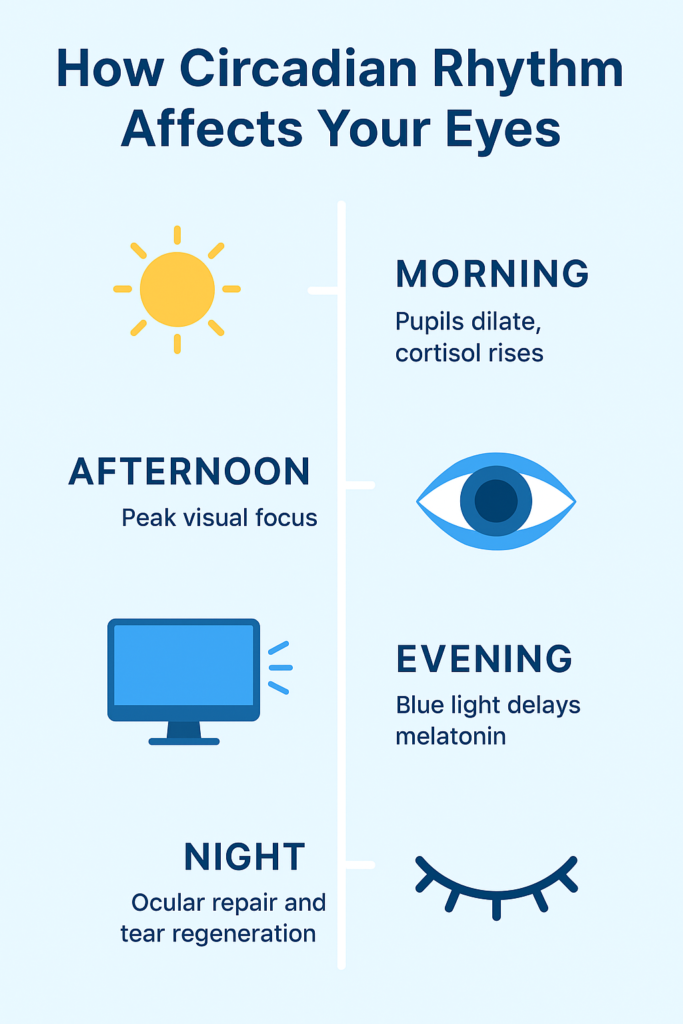
Your eyes are not just passive receivers of light — they regulate your internal clock through light-sensitive retinal cells that send signals to the brain’s suprachiasmatic nucleus (SCN).
The SCN controls melatonin production, cortisol cycles, and overall circadian rhythm. This means your eyes literally tell your brain when it’s day or night.
When your circadian rhythm is disrupted — by late-night scrolling, artificial light, or irregular sleep — it affects not only your energy and mood but also your eye function.
🕒 Disrupted Circadian Rhythm Can Cause:
- Eye strain and fatigue
- Blurred or fluctuating vision
- Reduced tear quality
- Blue light sensitivity
- Increased risk of myopia (especially in young adults)
Scientific Insight: A 2023 study from the Journal of Ophthalmic Research found that irregular sleep schedules were associated with a 42% higher chance of chronic dry eye and reduced tear stability. According to the official National Institutes of Health (NIH), specific retinal cells are the primary drivers of the eye health sleep connection, synchronizing our internal clock with the external environment.
Did you know?
Over 80% of vision problems are preventable or treatable when detected early — regular eye exams, proper sleep, and nutrition can dramatically lower your risk.
💡 Section 3: The Blue Light Connection — Why Your Screens Are Keeping You Awake and Tired
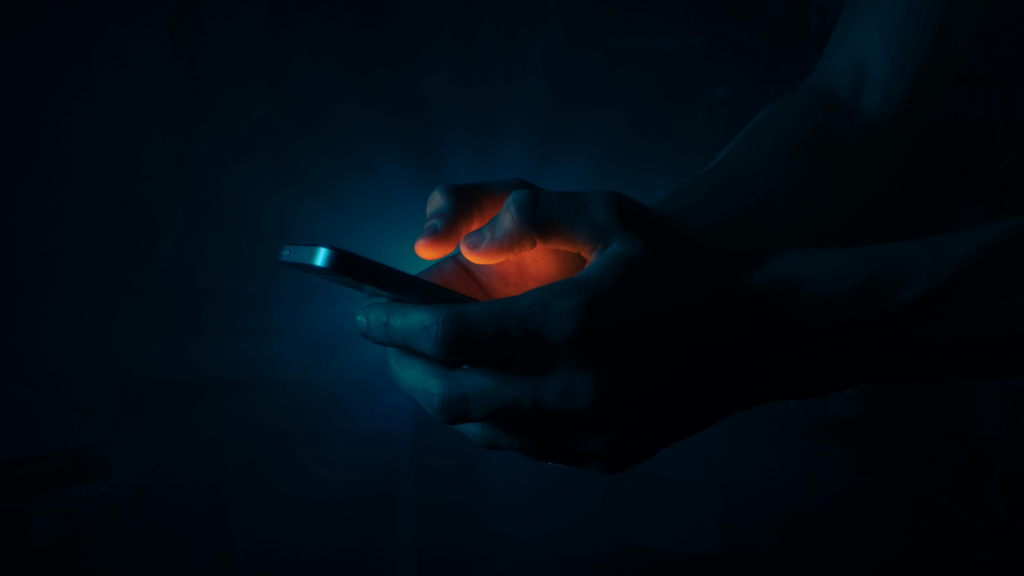
Blue light (wavelength 400–490 nm) emitted from phones, tablets, and LED lights suppresses melatonin, delays sleep onset, and increases oxidative stress in the retina.
🔹 Effects of Blue Light on Sleep and Eyes:
- Suppresses melatonin and increases alertness
- Reduces blink rate → leads to dryness and strain
- Causes photochemical stress on retinal cells
- Linked to digital eye strain and blurred focus
Blue light is the primary disruptor of the eye health sleep connection, as it tricks the brain into thinking it’s daylight, preventing the retina from entering its essential repair mode.
Tip: Use night mode or blue light filters after sunset, and reduce screen time at least one hour before bed.
Quote:
“Your eyes are the gateway to your circadian rhythm. Protect them, and you protect your sleep.” — Dr. Amy Chen, Neuro-Ophthalmologist
🧪 Section 4: Hormones That Connect Sleep and Vision
Your eyes and your sleep cycle share a hormonal connection — primarily through melatonin, cortisol, and dopamine.
| Hormone | Role in Eye Health | Effect of Poor Sleep |
|---|---|---|
| Melatonin | Antioxidant; protects retinal cells | Reduced protection, higher oxidative stress |
| Cortisol | Regulates inflammation | Chronic elevation → increased IOP |
| Dopamine | Controls eye growth and focus | Irregular release → myopia progression |
Fun Fact:
Melatonin is not only produced by the brain but also by the retina itself! This means your eyes both sense and produce sleep signals.
🔎 Related Reading
-
Digital Eye Strain: Causes, Symptoms, and Solutions
Practical tips to reduce screen-related eye fatigue and improve focus.
-
Nutrition for Healthy Eyes: 7 Foods to Improve Vision
Science-backed foods and supplements that protect the retina.
-
Preventing Vision Loss: Comprehensive Guide
Long-term strategies to preserve eyesight for life.
- Explore the Eye Health hub →
🌌 Section 5: Sleep Disorders and Vision Problems
Certain sleep disorders can directly harm your eyes or worsen existing conditions:
- Sleep Apnea: Linked to glaucoma, floppy eyelid syndrome, and retinal vascular issues.
- Insomnia: Causes chronic eye dryness and blurred morning vision.
- Narcolepsy: Associated with irregular tear secretion and poor corneal hydration.
If you snore, wake up tired, or have headaches and eye pain in the morning — a sleep study can reveal hidden causes. Conditions like sleep apnea can sever the eye health sleep connection, leading to serious vascular issues in the retina due to oxygen deprivation during the night.
💧 Section 6: Practical Steps to Improve Sleep and Eye Health
Here’s how to protect your vision while optimizing rest:
- Follow the 20-20-20 rule every 20 minutes of screen time.
- Turn off all screens at least 1 hour before bed.
- Get 10–15 minutes of morning sunlight daily — it sets your circadian rhythm.
- Use blue light glasses in the evening (see: Blue Light & Screen Protection article).
- Sleep in a dark, cool room with no LED indicators or phones nearby.
- Maintain a consistent bedtime — your eyes crave rhythm as much as your brain.
- Hydrate well and include omega-3 rich foods (salmon, flaxseed) to reduce dryness.
🧘 Section 7: Eye Biohacking — How to Reset Vision Naturally
Biohackers use science-based habits to enhance both vision and sleep:
- Cold exposure before bed → lowers inflammation and improves ocular blood flow.
- Red light therapy → stimulates retinal mitochondria and helps melatonin balance.
- Magnesium glycinate + L-theanine → promote deeper sleep and reduced eye twitching.
Modern biohackers prioritize the eye health sleep connection by using red light therapy to stimulate mitochondrial health before sleep.
100% Blackout Weighted Eye Mask
To master the eye health sleep connection, total darkness is non-negotiable. This weighted silk mask blocks 100% of light to trigger maximum melatonin production while applying gentle pressure to reduce eye puffiness and daytime twitching.
❓ Frequently Asked Questions (FAQ)
Q1: Can lack of sleep permanently damage my eyes?
A: Chronic sleep deprivation doesn’t cause blindness, but it increases the risk of glaucoma, dry eye, and blurry vision.
Q2: How does blue light affect melatonin?
A: Blue light signals the brain that it’s daytime, reducing melatonin and delaying sleep onset.
Q3: Are eye masks good for sleep?
A: Yes. They block residual light and support melatonin release, improving both sleep quality and tear stability.
Q4: Should I take melatonin supplements for eye health?
A: Only under medical advice. Natural melatonin from good sleep and darkness is more effective than pills.
Q5: How quickly can I improve my eye health sleep connection?
A: You will notice immediate relief from dry eyes and redness after just one night of 8-hour total darkness sleep. However, long-term benefits like stabilized ocular pressure and improved focus take 2-3 weeks of consistent eye health sleep connection hygiene.
Q6: Can blue light glasses fix a poor eye health sleep connection?
A: They help by blocking melatonin-suppressing rays, but they aren’t a “magic pill.” The best way to support your eye health sleep connection is to combine blue light blockers with a strict “no-screen” rule 60 minutes before bed.
🧾 Conclusion: Sleep Well, See Clearly
The eye health and sleep connection is undeniable — your eyes and circadian rhythm work as one system. Every hour of sleep you lose costs your eyes essential repair time.
By reducing blue light exposure, following a consistent sleep schedule, and supporting your eyes with proper hydration and nutrients, you’re not just improving rest — you’re preserving your vision for the long run.
Remember: Clear vision starts with a good night’s sleep.
A Note from the Founder
"I started CVT because eye health is personal to me. After losing sight in my left eye due to a childhood injury and managing high intraocular pressure for decades, I’ve dedicated my life to finding the best ways to protect the vision we have. Every piece of advice on this site is researched with that same level of care and responsibility. Thank you for being here."