🧠 Introduction
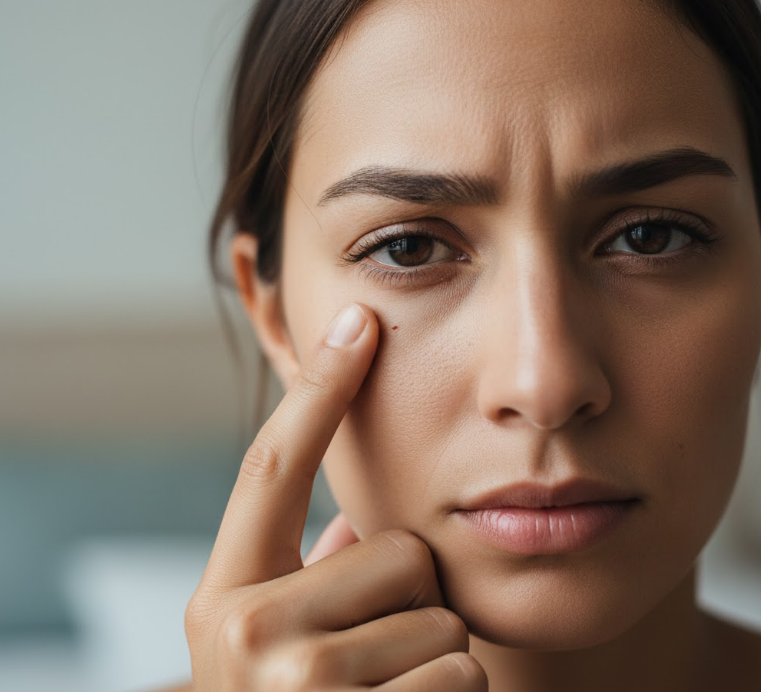
Eye twitching is one of the most common—and most confusing—ocular symptoms. One moment your eyelid is normal, and the next it starts fluttering uncontrollably. While eye twitching is usually harmless, it can be frustrating, distracting, and worrying — especially when it keeps coming back. Many people immediately fear neurological problems, but in most cases, the cause is far simpler and easier to fix.
In this comprehensive guide, you’ll learn:
- What eye twitching really is
- The 15 most common causes
- Hidden triggers most doctors don’t mention
- How to stop eye twitching naturally
- When eye twitching becomes serious
What Is Eye Twitching (Myokymia)?
Eye twitching, medically known as myokymia, refers to involuntary, repetitive spasms of the eyelid muscles — most commonly the lower eyelid.
Key characteristics:
- Usually painless
- Comes and goes
- Often triggered by lifestyle factors
- Typically affects only one eye at a time
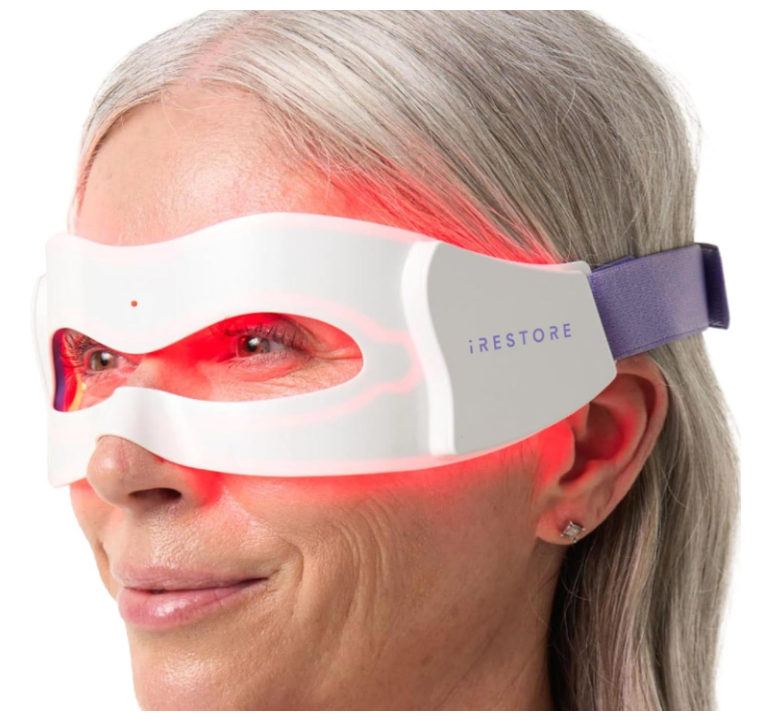
Most twitching episodes are benign and resolve on their own — but understanding why it happens is the key to stopping it. While most spasms are temporary reactions to daily habits, persistent fluttering often requires a deeper neurological reset. For those looking to dive into advanced recovery, our Vision Therapy & Advanced Biohacking Hub explores cellular repair techniques and light therapy protocols designed to stabilize overactive nerves for good.
15 Common Causes of Eye Twitching
1. Stress (The #1 Cause)
Stress overstimulates your nervous system, making small facial muscles hyper-reactive.
2. Fatigue & Poor Sleep
Lack of sleep disrupts nerve signaling and muscle recovery.
3. Excess Screen Time
Prolonged digital use reduces blink rate → dry eyes → muscle irritation.
4. Caffeine Overload
Too much coffee or energy drinks overstimulates nerve endings.
5. Dry Eye Syndrome
Dryness irritates corneal nerves, triggering reflex spasms.
6. Magnesium Deficiency
Magnesium is critical for muscle relaxation.
Instant Eye Twitching Relief
Targeted solutions for faster muscle relaxation.


7. Dehydration
Electrolyte imbalance = muscle misfiring.
8. Eye Strain
Uncorrected vision problems increase ocular muscle workload.
9. Allergies
Histamine release irritates the eyelids.
10. Alcohol Consumption
Affects neuromuscular transmission.
11. Poor Nutrition
Lack of B-complex vitamins affects nerve health.
12. Bright Light Sensitivity
Photophobia overstimulates ocular nerves.
13. Eye Infections or Inflammation
Blepharitis and conjunctivitis can trigger twitching.
14. Medications
Some antidepressants and stimulants list twitching as a side effect.
15. Anxiety & Hyperawareness
Focusing on the twitch makes it worse.
More than 70% of persistent eye twitching cases are linked to lifestyle factors like stress, poor sleep, and screen overuse — not neurological disease.
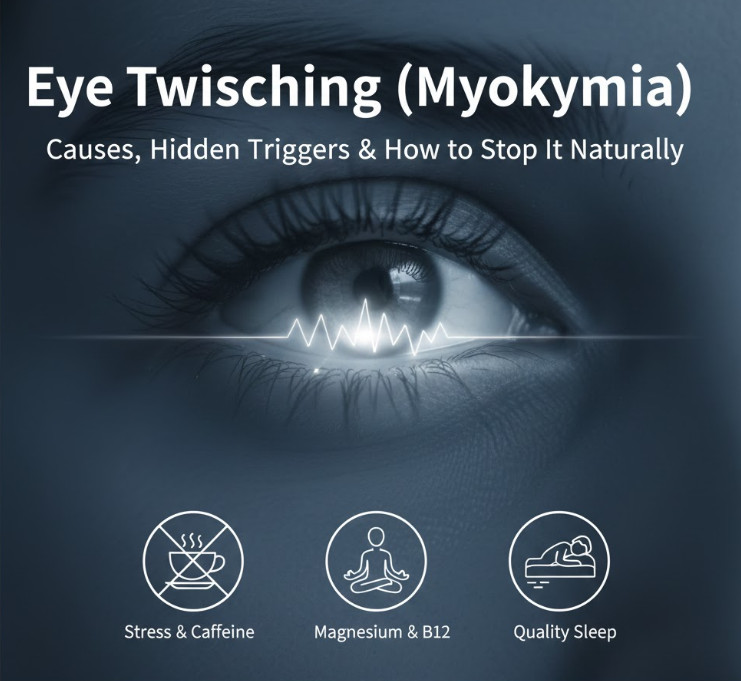
How to Stop Eye Twitching Naturally (Step-by-Step)
✔ Reduce Screen Exposure
- Follow the 20-20-20 rule
- Increase blink awareness
✔ Improve Sleep Quality
- Aim for 7–9 hours
- Reduce blue light exposure at night
✔ Cut Back on Caffeine
Gradually reduce intake over 5–7 days.
✔ Stay Hydrated
Drink water consistently throughout the day.
✔ Use Warm Compresses
Improves eyelid muscle relaxation and meibomian gland function.
Nutrition & Supplements That Help Eye Twitching
🥗 Magnesium
- 200–400 mg daily
- Supports nerve relaxation
🥗 Vitamin B Complex
Improves nerve signaling and muscle control.
🥗 Omega-3 Fatty Acids
Reduces inflammation and improves tear film quality.
When Eye Twitching Is NOT Normal
Seek medical attention if:
- Twitching lasts longer than 2–3 weeks
- Affects other facial muscles
- Comes with drooping eyelid
- Is associated with vision loss
These may indicate conditions like hemifacial spasm or neurological disorders (rare but important to rule out).
According to the American Academy of Ophthalmology, persistent or spreading facial twitching should always be medically evaluated. American Academy of OphthalmologyFAQ – Eye Twitching
❓ Is this fluttering a sign of brain damage?
No. In the vast majority of cases, these involuntary movements are harmless and primarily linked to high cortisol levels, fatigue, or physical stress.
❓ Can high stress or anxiety trigger these spasms?
Yes — emotional and mental tension are major catalysts. Anxiety keeps the nervous system in a state of hyper-awareness, which overstimulates the small muscles around the ocular area.
❓ How long do these episodes typically last?
The duration varies significantly; an episode can last from just a few minutes to several days, and in some chronic cases, it may persist for weeks before resolving on its own.
❓ Does this mean I need a new prescription for glasses?
It is possible. Uncorrected vision issues and digital strain force the ocular muscles to work harder, which can lead to fatigue-induced fluttering.
❓ Is there a link between ocular dryness and lid irritation?
Absolutely. Lack of proper lubrication is one of the most overlooked triggers, as it irritates the corneal nerves and causes the eyelid to react with reflexive contractions.
Stop the Twitch: Quick Reset
Try this right now: Close your eyes tightly for 5 seconds, then open them wide for 5 seconds. Repeat 3 times, then apply a warm towel. This “manual override” often breaks the neural loop causing the eye twitching.
Conclusion
Eye twitching is common, annoying, and — in most cases — completely reversible. By addressing stress, sleep, screen habits, hydration, and nutrition, most people can stop eye twitching naturally without medication.
If symptoms persist or worsen, professional evaluation ensures nothing serious is missed.
Your eyes are often the first place your body shows imbalance — listening to them is the smartest move you can make.
if you want to learn more, check our guide on Eye Yoga or how Antioxidants help your vision.
A Note from the Founder
"I started CVT because eye health is personal to me. After losing sight in my left eye due to a childhood injury and managing high intraocular pressure for decades, I’ve dedicated my life to finding the best ways to protect the vision we have. Every piece of advice on this site is researched with that same level of care and responsibility. Thank you for being here."