
Introduction
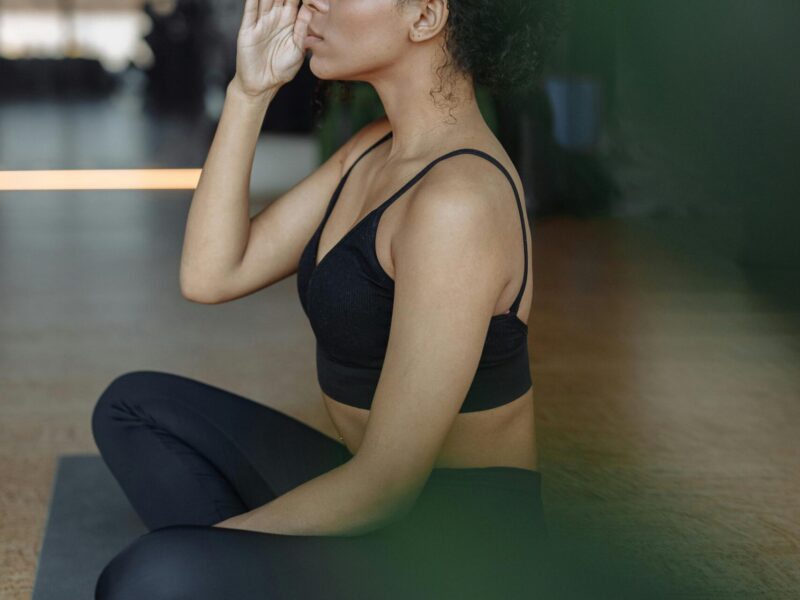
Eye yoga is an ancient practice that has recently gained massive popularity as a holistic solution to modern digital strain. While we spend hours staring at screens, these gentle movements offer a way to reset our focus and calm the nervous system. To see how this fits into your lifelong vision care, visit our Eye Care for All Ages HUB.
But long before smartphones and laptops existed, ancient yogis in India developed a practice called Eye Yoga—a series of gentle exercises designed to strengthen the eyes, calm the mind, and restore balance.
Today, as millions search for natural ways to improve vision and reduce strain, eye yoga is enjoying a resurgence. But does it really work? And how can you integrate it into your daily routine?
This comprehensive guide will explore:
- The history of eye yoga
- Scientific explanations of its benefits
- Step-by-step exercises
- How to combine eye yoga with modern lifestyle habits
- FAQs and practical tips
1. The Origins of Eye Yoga
Eye yoga originates from traditional yogic texts where the connection between the eyes and the mind was emphasized. Yogis believed that strengthening eye muscles improved focus, awareness, and overall well-being.
- In Ayurveda, eye exercises were recommended for balancing Pitta dosha, linked to vision.
- Yoga teachers incorporated eye movements into pranayama and meditation practices.
- Early 20th-century teachers like Swami Kuvalayananda promoted eye yoga in the West.
2. Modern Relevance of Ocular Training
Why is eye yoga relevant today?
- Digital Eye Strain (Computer Vision Syndrome): Eye muscles lock into near-focus mode for hours.
- Stress & Anxiety: Tightens facial and ocular muscles.
- Sleep Disruption: Blue light exposure affects circadian rhythm.
- Myopia Epidemic in Children: Lack of outdoor time + screen overuse.
Eye yoga addresses these by:
- Relaxing eye muscles
- Increasing blood circulation
- Restoring blinking and tear film balance
- Reducing stress through mindful practice
3. The Science Behind Visual Strengthening
While eye yoga was once dismissed as pseudoscience, recent studies are shifting perspectives.
- Eye Muscles Flexibility: Exercises improve convergence (focusing on near objects) and divergence (focusing far away).
- Blood Flow: Gentle movements increase circulation, delivering oxygen and nutrients.
- Stress Reduction: Practices like palming activate the parasympathetic nervous system, lowering stress hormones.
- Neuroplasticity: Repeated focusing and relaxation may help train the brain to process visual input more efficiently.
👉 A 2022 study in the Indian Journal of Ophthalmology found that participants practicing eye yoga reported significant reduction in digital eye strain symptoms after 6 weeks.
4. Step-by-Step Eye Yoga Exercises
1. Palming
- Rub palms until warm.
- Place over closed eyes without pressure.
- Focus on darkness for 1–2 minutes.
2. Blinking Awareness
- Sit comfortably, look ahead.
- Blink slowly 10 times.
- Close eyes for 20 seconds.

Quick Eye Strain Relief
Perfect companion for your Eye Yoga routine to reduce dryness.
View on Amazon3. Directional Eye Movements
- Look up and down, side to side, diagonals.
- Repeat 5 times each direction.
- Helps with eye flexibility.
4. Figure Eight (Infinity Exercise)
- Imagine a giant sideways “8” in front of you.
- Trace it slowly with your eyes.
5. Near-Far Focusing
- Hold a pen 15 cm from nose.
- Focus on pen → shift focus to a distant object.
- Repeat 10–15 times.
6. Eye Rolling
- Slow clockwise rotations, then counterclockwise.
- Do 5 each way.

7. Trataka (Candle Gazing)
- Sit in a dark room with a candle at eye level.
- Focus without blinking until eyes water.
- Close eyes, visualize flame.
📌 Did You Know?
Ancient yogis practiced Trataka not just for vision, but as a concentration meditation technique. Modern science now supports its benefits for reducing stress and improving attention.
5. Ancient Techniques for Digital Age Problems
For Students
- Reduces eye fatigue from online learning.
- Improves focus during reading.

For Office Workers
- Breaks the near-focus strain cycle.
- Works best combined with 20-20-20 rule.
For Seniors
- Maintains flexibility and comfort.
- May slow progression of presbyopia symptoms.
6. Lifestyle Integration
Eye yoga is most effective when combined with:
- Outdoor time: Natural sunlight protects against myopia.
- Balanced diet: Rich in lutein, zeaxanthin, vitamin A.
- Proper lighting: Avoid glare and harsh LEDs.
- Stress management: Yoga, meditation, breathing.
7. When to See a Doctor
Eye yoga is safe, but not a substitute for medical care. See an eye doctor if you experience:
- Persistent blurry vision
- Double vision
- Severe headaches
- Sudden changes in eyesight
Upgrade Your Vision Therapy
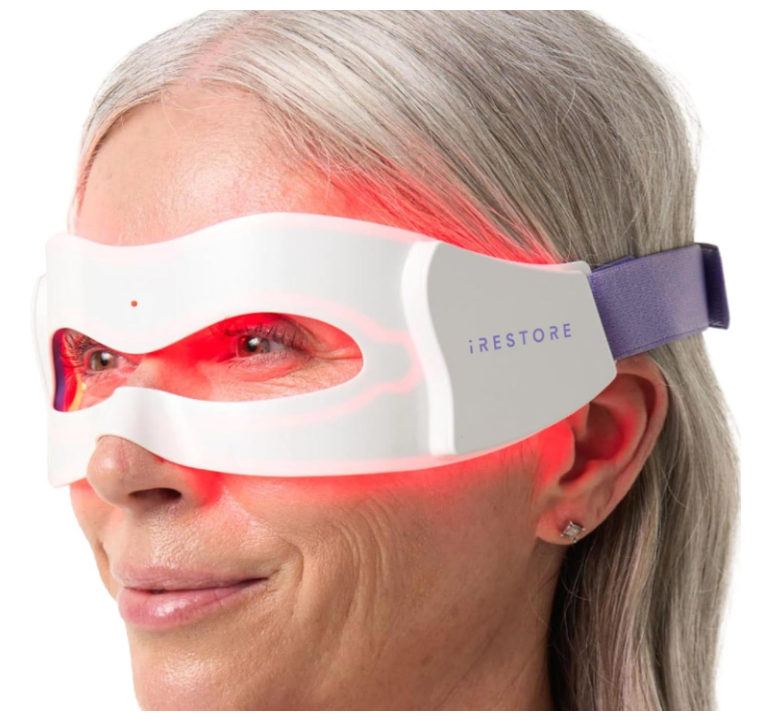
Combine Eye Yoga with professional-grade recovery technology. Ideal for deep relaxation after a long day of screen work.
Check Best Price on Amazon
FAQ Section
Q1: Can these exercises improve eyesight permanently?
A1: These movements are designed to reduce strain and support ocular comfort, but they do not act as a cure for refractive errors like myopia or astigmatism.
Q2: How often should I practice these techniques?
A2: It is beneficial to perform them at least once or twice a day, especially during intense periods of screen work to prevent fatigue.
Q3: Are these ancient practices safe for children?
A3: Yes, gentle techniques like palming and blinking awareness are excellent for kids to help them develop healthy visual habits early on.
Q4: Is candle gazing (Trataka) safe for everyone?
A4: While generally beneficial for focus, this specific practice should be avoided by individuals with epilepsy or severe medical eye conditions.
Q5: How long before I notice a difference in my vision comfort?
A5: Most practitioners report a significant reduction in digital strain and better visual relaxation within 2 to 4 weeks of consistent daily effort.
Conclusion
Eye yoga bridges the wisdom of ancient traditions with the demands of modern life. By practicing simple daily exercises, you can reduce digital eye strain, improve focus, relax your vision, and even sleep better.
It only takes 10 minutes a day to start noticing the benefits. In a world filled with screens, eye yoga is a natural, free, and powerful tool to keep your vision sharp and your mind calm.
A Note from the Founder
"I started CVT because eye health is personal to me. After losing sight in my left eye due to a childhood injury and managing high intraocular pressure for decades, I’ve dedicated my life to finding the best ways to protect the vision we have. Every piece of advice on this site is researched with that same level of care and responsibility. Thank you for being here."