👁️ Introduction: Why Nutrition Is the Foundation of Eye Health
Zameni prvi pasus ovim: “The strategic consumption of powerful micronutrients is your first and most vital defense against vision loss, making a focused approach to Foods for Age Related Eye Conditions the single most important lifestyle choice for your future. While nutrition is the chemical foundation, those looking for advanced clinical recovery should also explore our Vision Therapy & Advanced Biohacking Hub for the latest in neuro-protective tech.”
As we age, our eyes go through natural changes — the lens stiffens, the retina thins, and oxidative stress increases. These biological shifts make us more vulnerable to age-related eye conditions like:
- Age-related Macular Degeneration (AMD)
- Cataracts
- Glaucoma
- Dry Eye Syndrome
The good news? Research shows that up to 70% of vision loss risk associated with aging can be reduced through a nutrient-rich diet.
In this article, you’ll learn which foods (and nutrients) protect your eyes, how they work, and how to build a daily nutrition plan to preserve clear vision well into old age.
🧬 1. Understanding How Nutrition Protects Your Eyes
Your eyes are highly metabolic organs, meaning they need constant nutrients to function and defend against damage.
Three main mechanisms protect your vision:
- Antioxidants neutralize harmful free radicals that cause retinal damage.
- Omega-3 fatty acids maintain healthy tear production and prevent inflammation.
- Carotenoids (like lutein and zeaxanthin) act as natural blue-light filters for the macula.
When your diet lacks these compounds, your risk of AMD, cataracts, and other degenerative conditions increases dramatically.
The retina consumes more oxygen per gram than any other tissue in your body. This makes it extremely vulnerable to oxidative damage without a consistent supply of antioxidants from your diet.
🥕 2. Key Nutrients That Protect Against Eye Aging
1. Lutein & Zeaxanthin
These two carotenoids form the macular pigment, which filters harmful blue light and supports central vision.
Best food sources:
- Spinach
- Kale
- Broccoli
- Corn
- Egg yolks
💡 Research Insight:
A 2024 Harvard study found that people who ate leafy greens 3–5 times per week had a 43% lower risk of AMD progression.
2. Vitamin C
A powerful antioxidant that supports blood vessels in the eyes and slows cataract formation.
Top sources:
- Oranges
- Kiwi
- Strawberries
- Red bell peppers
3. Vitamin E
Protects retinal cells from free-radical damage and supports the lipid layer of the tear film.
Top sources:
- Almonds
- Sunflower seeds
- Avocados
- Olive oil
4. Zinc
Zinc helps transport Vitamin A from the liver to the retina, where it forms melanin, a protective pigment.
Top sources:
- Oysters
- Pumpkin seeds
- Beef
- Lentils
5. Omega-3 Fatty Acids
Critical for maintaining the oily layer of tears, preventing dry eyes and inflammation.
Top sources:
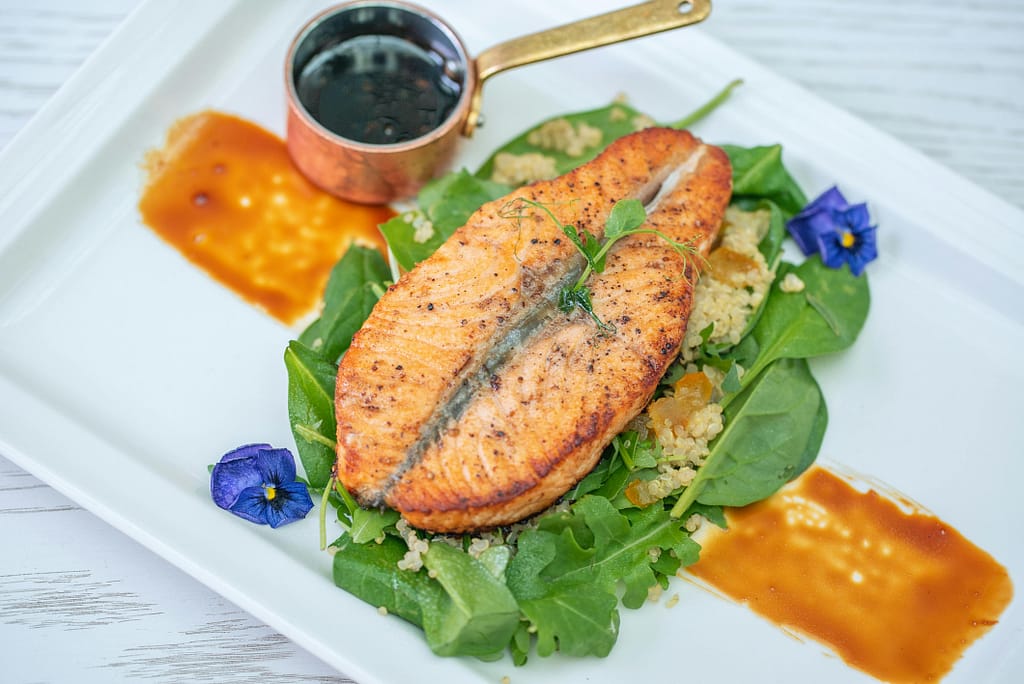
- Salmon
- Sardines
- Flaxseeds
- Walnuts

Nordic Naturals Ultimate Omega
The perfect companion to Foods for Age Related Eye Conditions. High-potency EPA/DHA to support retinal health and tear production.
Check Price on Amazon →6. Vitamin A (Beta-Carotene)
Essential for low-light and color vision. Deficiency can cause night blindness.
Top sources:
- Carrots
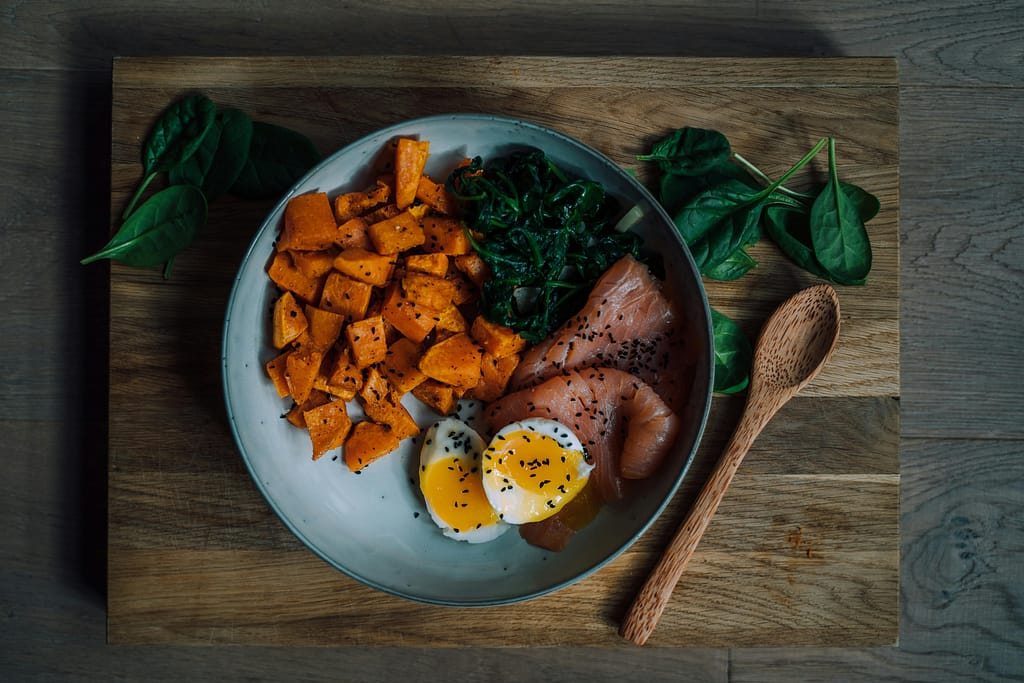
- Sweet potatoes
- Butternut squash
7. Selenium & Copper
Both minerals enhance the activity of antioxidant enzymes like glutathione peroxidase, which protects the retina from oxidative damage.
Top sources:
- Brazil nuts
- Mushrooms
- Whole grains
Quiz: Is Your Diet Eye-Friendly?
How many of these did you eat in the last 48 hours?
Result: If you checked less than 3, you are likely missing critical Foods for Age Related Eye Conditions. Try adding one “eye-superfood” to your next meal!
🧠 3. Building an Eye-Healthy Daily Meal Plan
Here’s how you can structure a nutrition routine that supports lifelong eye protection.
Breakfast
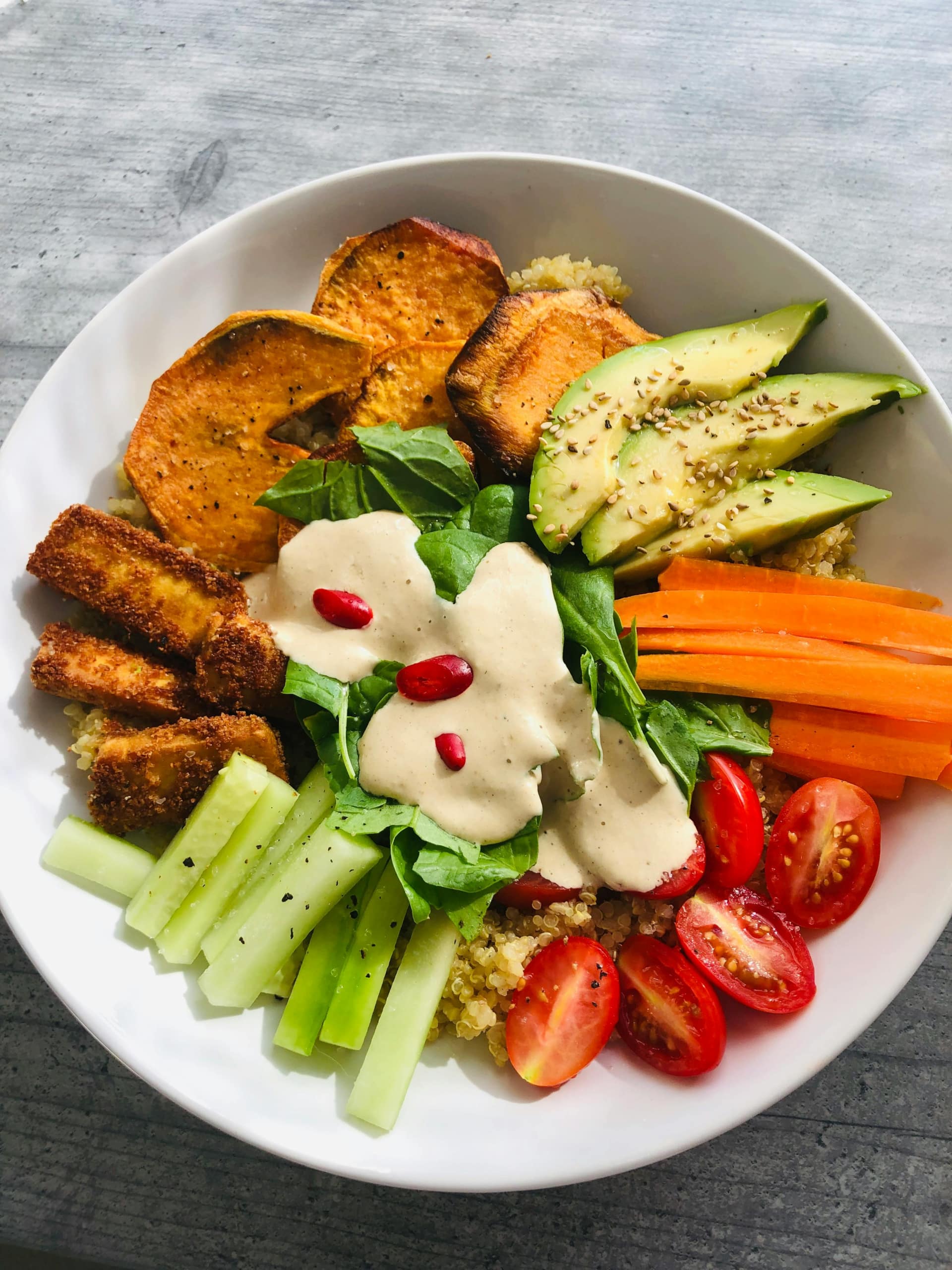
- Scrambled eggs with spinach and tomatoes
- Whole-grain toast with avocado
- Green tea or fresh orange juice
Lunch
- Grilled salmon with quinoa and steamed broccoli
- Carrot and kale salad with olive oil dressing
Snack
- Almonds and blueberries
- One kiwi or orange
Dinner
- Lentil soup with sweet potatoes
- Brown rice and sautéed kale
- Herbal tea or chamomile
Bonus:
Once or twice a week, include sardines or mackerel — they provide DHA and EPA, the two omega-3s most beneficial for your retina.
⚙️ 4. The Science Behind the “Eye-Protection Diet”
The AREDS2 (Age-Related Eye Disease Study) by the U.S. National Eye Institute found that specific nutrients significantly reduced AMD progression.
Their formula included:
- 500 mg Vitamin C
- 400 IU Vitamin E
- 10 mg Lutein
- 2 mg Zeaxanthin
- 80 mg Zinc oxide
- 2 mg Copper oxide
💡 People who followed this nutrient combination saw a 25% slower rate of AMD progression.
🧘 Lifestyle Tips to Enhance the Benefits of Nutrition
- Quit smoking — tobacco accelerates macular degeneration.
- Maintain a healthy weight — obesity increases oxidative stress.
- Wear sunglasses outdoors — UV exposure worsens cataracts.
- Exercise regularly — improves blood flow to the retina.
- Get enough sleep — regenerates tear production and retinal repair.
💬 FAQ – Frequently Asked Questions
Q1: What are the best Foods for Age Related Eye Conditions to prevent AMD?
A: Dark leafy greens like spinach and kale are the top Foods for Age Related Eye Conditions because they are packed with lutein and zeaxanthin, which act as a “natural sunscreen” for your macula.
Q2: Can specific Foods for Age Related Eye Conditions help with dry eyes?
A: Yes, cold-water fatty fish such as salmon and sardines are essential Foods for Age Related Eye Conditions. They provide high doses of Omega-3 fatty acids that stabilize the tear film and reduce inflammation.
Q3: Is it too late to start eating Foods for Age Related Eye Conditions?
A: Never. Research shows that switching to a diet focused on Foods for Age Related Eye Conditions can slow the progression of existing vision issues and protect remaining healthy tissue regardless of age.
Eye-Healthy Shopping List
Screenshot this for your next grocery trip!
- Spinach & Kale
- Swiss Chard
- Carrots & Sweet Potatoes
- Red Bell Peppers
- Salmon or Sardines
- Walnuts & Chia Seeds
- Eggs (with yolk)
- Pumpkin Seeds
✅ Conclusion
Nutrition is the first and most powerful defense against age-related eye diseases.
By adding just a few eye-protective foods — leafy greens, fatty fish, colorful fruits, and nuts — you nourish your retina, support your tear film, and strengthen your vision naturally.
Healthy eyes start on your plate.
Eat smart today to see clearly tomorrow.
A Note from the Founder
"I started CVT because eye health is personal to me. After losing sight in my left eye due to a childhood injury and managing high intraocular pressure for decades, I’ve dedicated my life to finding the best ways to protect the vision we have. Every piece of advice on this site is researched with that same level of care and responsibility. Thank you for being here."

