
Introduction
Lazy Eye, medically known as Amblyopia, is one of the most common vision disorders in children and can persist into adulthood if left untreated. It affects approximately 2–3% of the global population and remains a leading cause of reduced vision in one eye. Unlike other eye conditions, amblyopia is not primarily caused by a structural defect in the eye but rather by improper visual development during early childhood.
In this comprehensive guide, we will explore what amblyopia is, its causes, symptoms, diagnostic methods, treatment options, and long-term prognosis. We’ll also provide prevention strategies and answer common questions to help individuals and parents better understand this condition.
What is Lazy Eye (Amblyopia)?
Amblyopia occurs when one eye fails to develop normal visual acuity, even when corrective lenses (like glasses or contact lenses) are used. The brain suppresses input from the weaker eye, favoring the stronger one, which leads to poor vision in the affected eye. If untreated during the critical developmental years (usually before the age of 7–9), amblyopia can result in permanent vision impairment.
Causes of Amblyopia
Lazy Eye has several potential causes, most of which develop during early childhood:
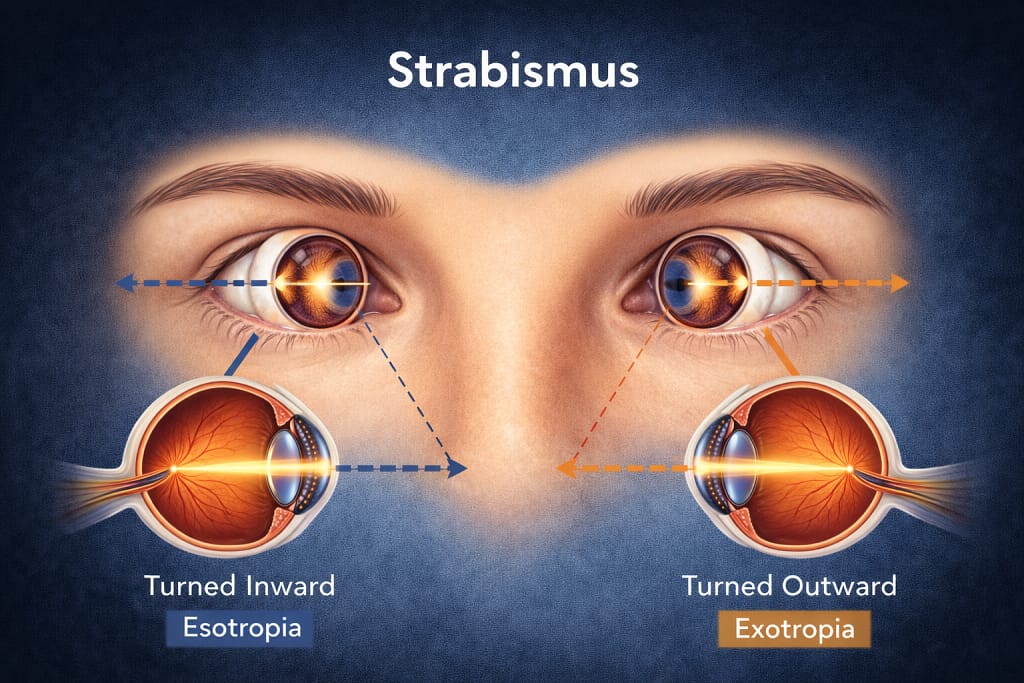
- Strabismus (Eye Misalignment):
- The most common cause of amblyopia.
- The eyes do not align properly; one may turn inward, outward, upward, or downward.
- To avoid double vision, the brain ignores input from the misaligned eye.
- Refractive Amblyopia (Anisometropia):
- Caused by a significant difference in refractive error between the two eyes (e.g., one eye is much more nearsighted, farsighted, or has astigmatism).
- The brain favors the clearer image, suppressing the blurry one.
- Deprivation Amblyopia:
- Occurs when something physically obstructs vision in one eye during development (e.g., congenital cataract, droopy eyelid).
- Considered the most severe type, requiring urgent treatment.
Symptoms of Lazy Eye
Amblyopia can sometimes go unnoticed, especially in young children. Signs and symptoms may include:
- Poor depth perception (difficulty judging distances).
- One eye that wanders inward or outward.
- Squinting or shutting one eye.
- Tilting the head to see better.
- Eyes that don’t appear to work together.
- Poor vision in one eye, even with glasses.
Identifying visual imbalances in children can be challenging since they often don’t complain of poor sight. For a visual checklist of common behaviors that signal vision issues, visit our Eye Symptoms & Relief HUB, where we help you decode everything from squinting to frequent head tilting before they lead to long-term impairment.
Did You Know?
- Lazy Eye affects about 2–3% of children worldwide — making it the most common cause of vision loss in one eye among kids.
- Early detection before age 7 offers a 90% success rate for full vision recovery.
- Modern vision therapy and virtual reality training now help adults with amblyopia improve visual coordination too.
Diagnosis of Amblyopia
Early detection is crucial for effective treatment. Diagnosis usually involves:
- Vision Screening in Children – Pediatricians or school screenings can identify risk factors.
- Comprehensive Eye Exam – An optometrist or ophthalmologist evaluates visual acuity, eye alignment, and refractive error.
- Cover Test – To check how the eyes work together.
- Refraction Test – To measure prescription differences.
Early screening is vital; the National Eye Institute provides extensive resources on how pediatric vision develops
Treatment Options for Lazy Eye
Treatment success depends on early intervention, ideally before age 7–9, but adults may also benefit from modern therapies.
1. Corrective Eyewear
- Glasses or contact lenses can treat refractive amblyopia.
- Often the first step in treatment.
2. Eye Patching (Occlusion Therapy)
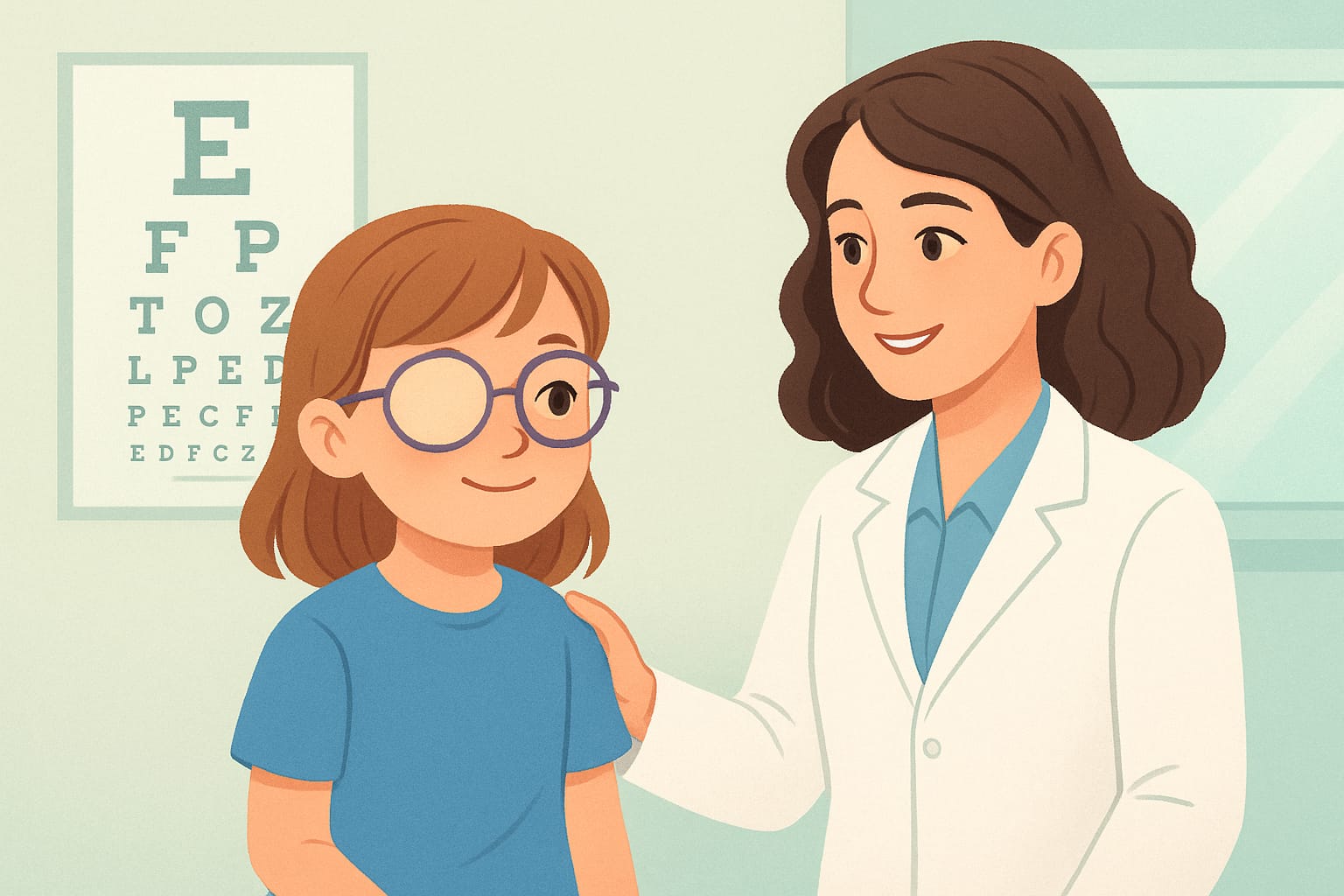
- Covering the stronger eye forces the weaker one to work harder.
- Usually worn for several hours a day depending on severity.
Occlusion Therapy Kit
Expertly curated for Lazy Eye (Amblyopia) care

Comfort Breathable Eye Patches
Doctor-recommended hypoallergenic design. Features extra-soft adhesive specifically for sensitive children’s skin.
- ✓ Ultra-Breathable Fabric
- ✓ Fun Colors for Kids
- ✓ No Sticky Residue
3. Atropine Eye Drops
- Temporarily blur vision in the stronger eye to stimulate the weaker eye.
- An alternative to patching, often preferred for better compliance in children.
4. Vision Therapy & Eye Exercises
- Specialized exercises that train both eyes to work together.
- Computer-based programs and in-office therapy are becoming more common.
5. Surgery
- Recommended if amblyopia is due to strabismus or cataracts.
- Corrects structural issues but usually combined with vision therapy for best results.
Lazy Eye Therapy Guide
Effectiveness of Lazy Eye (Amblyopia) treatments
Highly effective for children. Requires strict compliance for 2–6 hours daily to force the weaker eye to work.
Advanced neural training using VR and 3D games to improve brain-eye communication and depth perception.
Temporarily blurs the “good” eye. Excellent alternative for children who refuse to wear a physical patch.
Long-Term Outlook
- With early treatment, most children regain normal or near-normal vision.
- If left untreated beyond childhood, amblyopia can lead to lifelong vision impairment.
- Adults with amblyopia can still benefit from newer therapies, though results may be slower.
Prevention of Amblyopia
- Early childhood eye exams (ages 3–5 are critical).
- Prompt correction of refractive errors with glasses.
- Monitoring eye alignment in infants and toddlers.
- Treating cataracts or other obstructions as early as possible.
FAQs About Lazy Eye
1. Can adults with lazy eye be treated?
Yes, newer treatments like vision therapy and virtual reality training show promise in improving vision even in adults.
2. Is lazy eye hereditary?
It can run in families, especially cases related to strabismus or refractive errors.
3. How long does treatment take?
Treatment duration varies—some children respond within months, while others may require years of therapy.
Symptoms: Lazy Eye (Amblyopia)
Tap the symptoms you’ve noticed in your child:
Conclusion
Lazy Eye (Amblyopia) is a serious but highly treatable eye condition, especially if caught early. Through a combination of glasses, patching, drops, or vision therapy, most children can achieve significant improvement. Regular eye exams for children remain the best prevention strategy.
By raising awareness, parents and individuals can take proactive steps toward protecting their long-term vision health.
A Note from the Founder
"I started CVT because eye health is personal to me. After losing sight in my left eye due to a childhood injury and managing high intraocular pressure for decades, I’ve dedicated my life to finding the best ways to protect the vision we have. Every piece of advice on this site is researched with that same level of care and responsibility. Thank you for being here."

