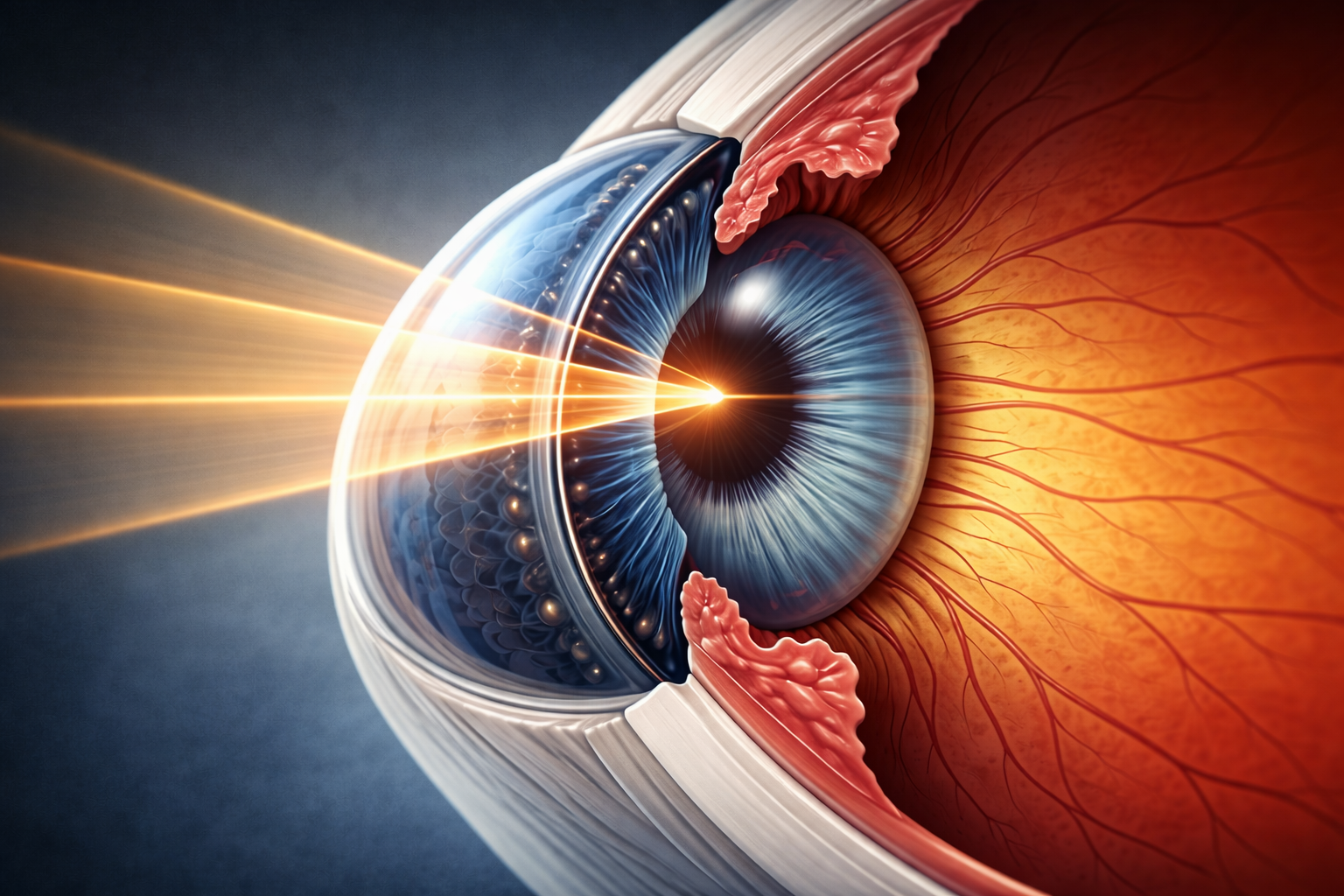
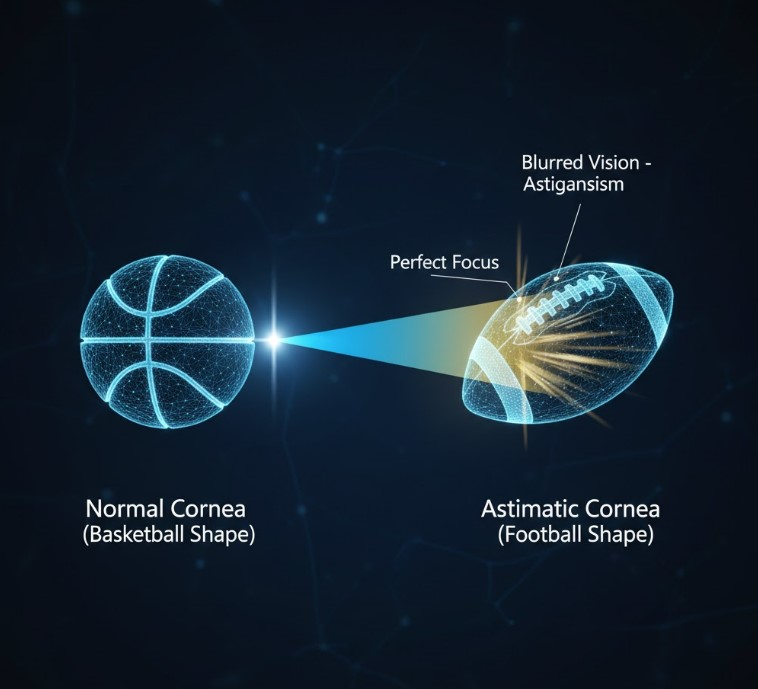
If you are experiencing blurry or distorted vision at all distances, understanding Astigmatism: Causes, Symptoms, Diagnosis and Treatment is your essential first step toward regaining visual clarity. Unlike simple nearsightedness or farsightedness, astigmatism is a refractive error caused by an irregularly shaped cornea or lens. Instead of being perfectly spherical like a basketball, the eye is shaped more like a football, causing light rays to focus on multiple points on the retina.
What is Astigmatism?
Astigmatism occurs when the eye’s surface (the cornea) or the lens inside the eye has a mismatched curve. Instead of being shaped like a round ball, the eye is shaped more like a football. This prevents light from focusing sharply on the retina, which is the core of all astigmatism causes, symptoms, diagnosis and treatment discussions.
Causes of Astigmatism: Understanding the Root Issue
When exploring Astigmatism: Causes, Symptoms, Diagnosis and Treatment, the first question patients ask is how it develops. Contrary to popular belief, reading in dim light or sitting close to the TV does not cause astigmatism. It is primarily driven by genetic factors affecting corneal curvature, although eye trauma, surgery, or conditions like keratoconus can also alter the shape of the eye.While many people wonder about specific astigmatism causes, it is rarely the result of bad habits like reading in the dark. The primary factors include:
- Genetics: Most people are born with a predisposition to an irregularly shaped cornea.
- Eye Injuries: Scarring on the cornea after an accident can change its shape.
- Keratoconus: A condition where the cornea thin out and bulges into a cone shape.
- Post-Surgery Changes: Sometimes astigmatism develops after cataract or other eye surgeries.
Recognizing the Symptoms of Astigmatism
Recognizing early signs is a critical part of Astigmatism: Causes, Symptoms, Diagnosis and Treatment. Beyond general blurriness, patients frequently notice starbursts or streaks around headlights while driving at night, persistent eye strain, and frontal headaches caused by continuous squinting as the eyes attempt to force scattered light into focus. Identifying astigmatism symptoms early can prevent chronic headaches and eye strain. Common signs include:
- Blurred vision at both near and far distances.
- “Squinting” constantly to see clearly.
- Difficulty driving at night (streaking lights/halos).
- Frequent headaches after prolonged screen use.
Many people confuse the ghosting images of astigmatism with simple digital eye strain or dry eye syndrome. If you are unsure whether your blurry vision is due to a refractive error or an underlying irritation, explore our Eye Symptoms & Relief HUB. There, we break down how to identify specific warning signs and find immediate comfort for stressed eyes
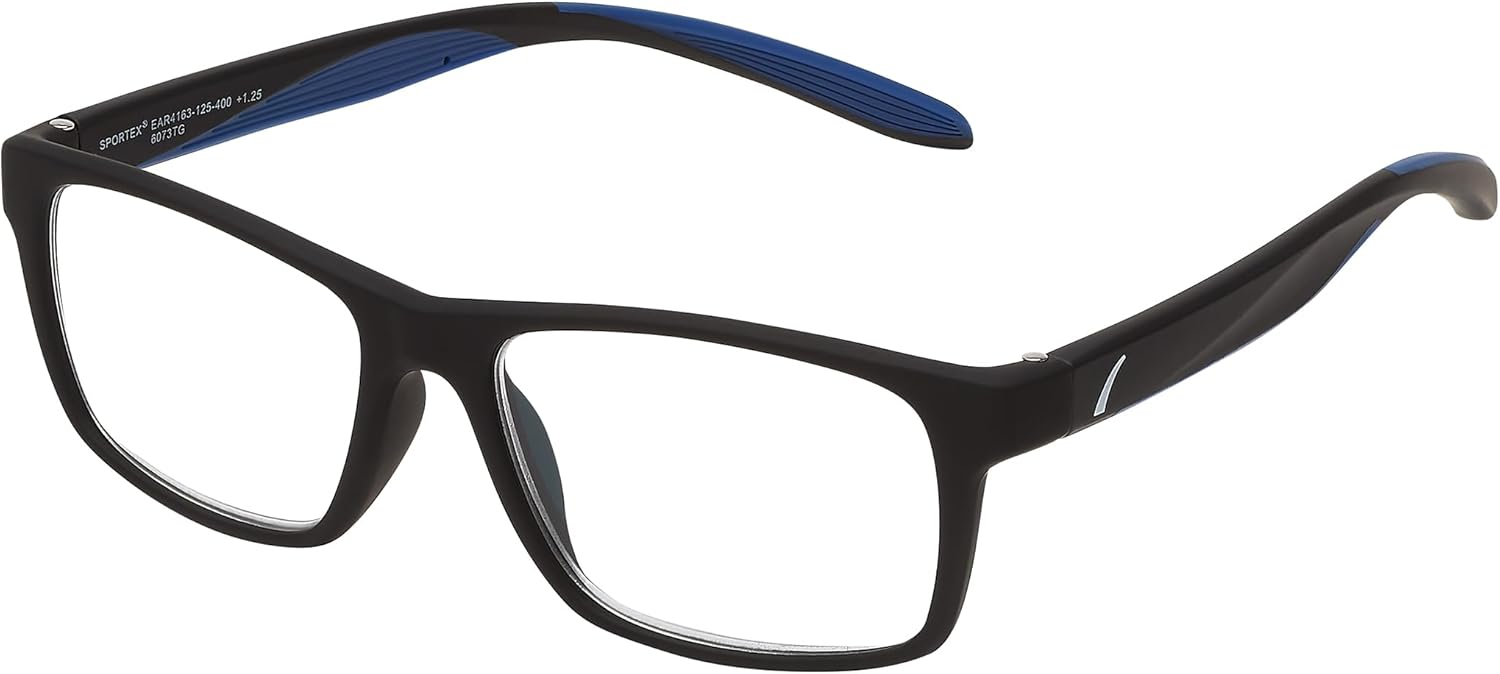
Gunnar Optiks Premium
Patented lens technology specifically engineered to reduce digital eye strain and sharpen distorted focus.
Professional Astigmatism Diagnosis
A standard vision test isn’t enough. A comprehensive astigmatism diagnosis involves:
- Visual Acuity Test: Reading the Snellen chart.
- Keratometry: Using a keratometer to measure the exact curvature of your cornea.
- Corneal Topography: A computer-aided “map” of your eye’s surface to detect even minor irregularities.
Effective Treatment Options
When reviewing Astigmatism: Causes, Symptoms, Diagnosis and Treatment, you have several proven options depending on your lifestyle. Minor cases can be corrected with cylindrical eyeglasses or weighted Toric contact lenses, while non-surgical options like Ortho-K and permanent laser procedures like LASIK reshape the cornea to restore sharp, single-point focus. When it comes to astigmatism treatment, you have three main paths:
- Corrective Lenses: Special “Toric” contact lenses or cylindrical eyeglasses.
- Orthokeratology (Ortho-K): Wearing rigid lenses overnight to temporarily reshape the cornea.
- Refractive Surgery: LASIK or PRK to permanently reshape the cornea with a laser.
Treatment Comparison Guide
Choosing the best path for your vision clarity
| Treatment | Result Speed | Permanence | Best For |
|---|---|---|---|
| Eyeglasses | Instant | Temporary | All Ages |
| Toric Contacts | Instant | Temporary | Active Lifestyles |
| LASIK Surgery | 24 Hours | Permanent | Adults 18+ |
| Ortho-K | 1-2 Weeks | Temporary | Night Correction |
Q&A
Q: What is the main key to understanding Astigmatism: Causes, Symptoms, Diagnosis and Treatment?
A: The key is recognizing that astigmatism is a structural issue caused by an irregularly shaped cornea or lens rather than an eye disease. Understanding Astigmatism: Causes, Symptoms, Diagnosis and Treatment allows you to choose between corrective eyeglasses, weighted Toric contact lenses, or permanent laser surgery like LASIK based on your specific corneal shape and lifestyle.
Q: Can Astigmatism: Causes, Symptoms, Diagnosis and Treatment be managed naturally without surgery?
A: Yes. While corneal curvature cannot be changed naturally without medical procedures, non-surgical options within Astigmatism: Causes, Symptoms, Diagnosis and Treatment include cylindrical prescription glasses, soft Toric contact lenses, and Ortho-K (rigid overnight lenses that temporarily reshape the cornea for clear daytime vision).
Q: Why do headlights streak at night when researching Astigmatism: Causes, Symptoms, Diagnosis and Treatment?
A: Light streaking, halos, and starbursts occur because an asymmetric cornea bends incoming light at uneven angles. Instead of focusing light onto a single point on the retina, light scatters across multiple points, which becomes especially noticeable around bright lights in dark environments.
Conclusion: Embracing Clear Vision with Astigmatism
Living with astigmatism doesn’t mean you have to settle for distorted or blurry sight. With modern advances in astigmatism causes, symptoms, diagnosis, and treatment, most individuals can achieve perfect 20/20 vision and maintain an active, normal lifestyle. Whether you choose the convenience of Toric contact lenses, the simplicity of glasses, or the permanence of laser surgery, the key is proactivity.
Regular eye exams are essential to monitor changes in your corneal shape and ensure your prescription is always up to date. Don’t let eye strain or night-driving difficulties slow you down. For more detailed clinical guidelines on managing refractive errors, you can visit the Mayo Clinic resource on astigmatism (note: this is an external resource).
Take charge of your eye health today—schedule a comprehensive exam and see the world with the clarity you deserve.
A Note from the Founder
"I started CVT because eye health is personal to me. After losing sight in my left eye due to a childhood injury and managing high intraocular pressure for decades, I’ve dedicated my life to finding the best ways to protect the vision we have. Every piece of advice on this site is researched with that same level of care and responsibility. Thank you for being here."