👁️ Introduction
Myopia control for kids has become a global health priority as experts predict that by 2050, nearly 50% of the world’s population will be nearsighted. While traditional glasses merely correct blurry vision, modern myopia control for kids strategies—such as Ortho-K and low-dose Atropine—are designed to actually slow the elongation of the eyeball and protect your child’s long-term ocular health.
The good news? Parents now have access to proven myopia control strategies—including low-dose atropine eye drops, orthokeratology (Ortho-K) lenses, and increasing outdoor time—that can slow down or even halt worsening eyesight in children.
This article explores the science, benefits, and risks of each method to help you make the best decision for your child.
🔎 What is Myopia?
Myopia is a refractive error where distant objects appear blurry, while near objects remain clear. It occurs when the eyeball grows too long, or the cornea is too curved, preventing light from focusing correctly on the retina.
👉 Learn more about common vision problems in our guide: Eye Conditions & Treatments: A Complete Guide to Common Vision Problems.
⚠️ Why Myopia Control Matters
Uncontrolled myopia in children can progress quickly, leading to high myopia, which increases the risk of:
- Retinal detachment
- Glaucoma
- Cataracts
- Macular degeneration
Preventing progression is essential for lifelong eye health.
While focusing on long-term myopia control for kids, it is equally important to monitor for immediate warning signs like frequent rubbing or squinting. If your child complains of headaches or blurred vision, consult our Eye Symptoms & Relief HUB to differentiate between standard refractive errors and acute eye strain.
📌 See also: Preventing Vision Loss: Comprehensive Guide to Protecting Your Eyesight Naturally.
💧 Atropine Eye Drops
Low-dose atropine drops (0.01%–0.05%) have been shown in clinical studies to significantly slow myopia progression in children.
Pros:
- Easy to use (one drop at night).
- Safe at low doses.
- Supported by strong clinical evidence.
Cons:
- Potential side effects: mild light sensitivity, difficulty focusing up close.
- Requires ongoing use and regular follow-ups.
Clinical trials conducted by the National Eye Institute (NEI) suggest that while results vary by dosage, low-concentration atropine remains a cornerstone of myopia control for kids in many pediatric practices worldwide
👉 For kids with eye allergies, consult your doctor before combining atropine with allergy treatments: Eye Allergies: Causes, Symptoms, and Effective Relief Strategies.
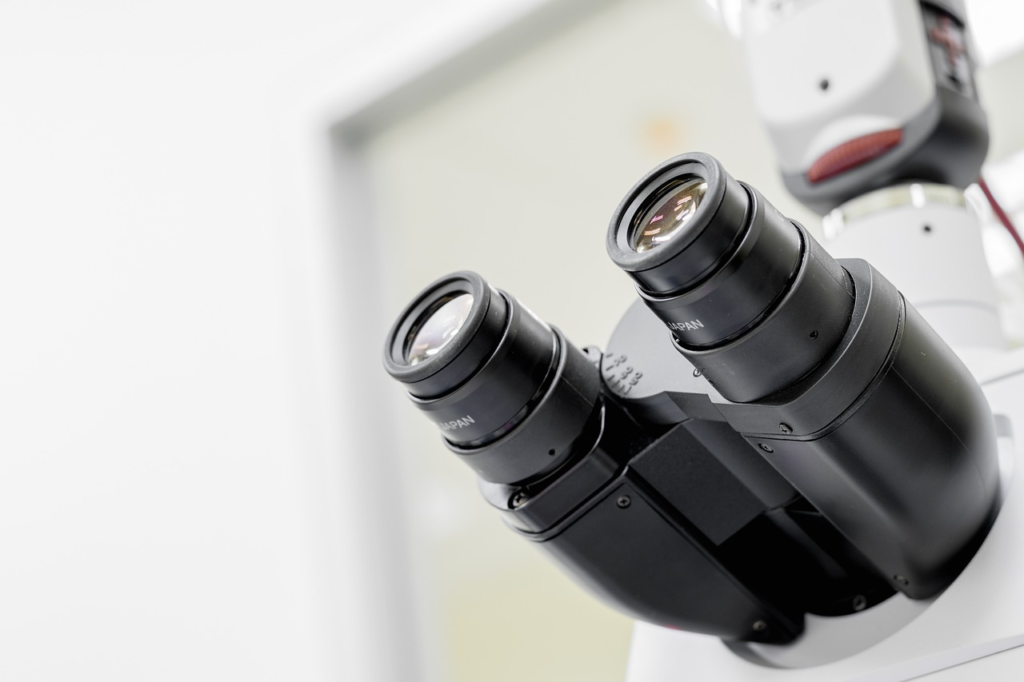
🌙 Orthokeratology (Ortho-K)
Ortho-K involves wearing specially designed contact lenses overnight to gently reshape the cornea. This provides clear vision during the day without glasses or contacts, while also slowing myopia progression.
Pros:
- Effective for many children.
- No glasses or daytime lenses needed.
- Great for active kids and sports.
Cons:
- Requires excellent hygiene.
- Higher cost than glasses or atropine.
- Small risk of infection if not cleaned properly.
👉 Related: Contact Lenses vs Glasses: Pros, Cons, and Best Choice for Your Lifestyle.
🌞 Outdoor Time and Lifestyle Habits
Studies show that 2+ hours of outdoor play daily can significantly reduce the risk of developing myopia. Natural light stimulates healthy eye growth and reduces strain caused by near work.
Tips for parents:
- Encourage outdoor play instead of screen time.
- Limit close-up tasks (phones, tablets, prolonged reading).
- Promote good posture and adequate breaks. see: Digital Eye Strain: Causes, Symptoms, and Proven Prevention Tips.
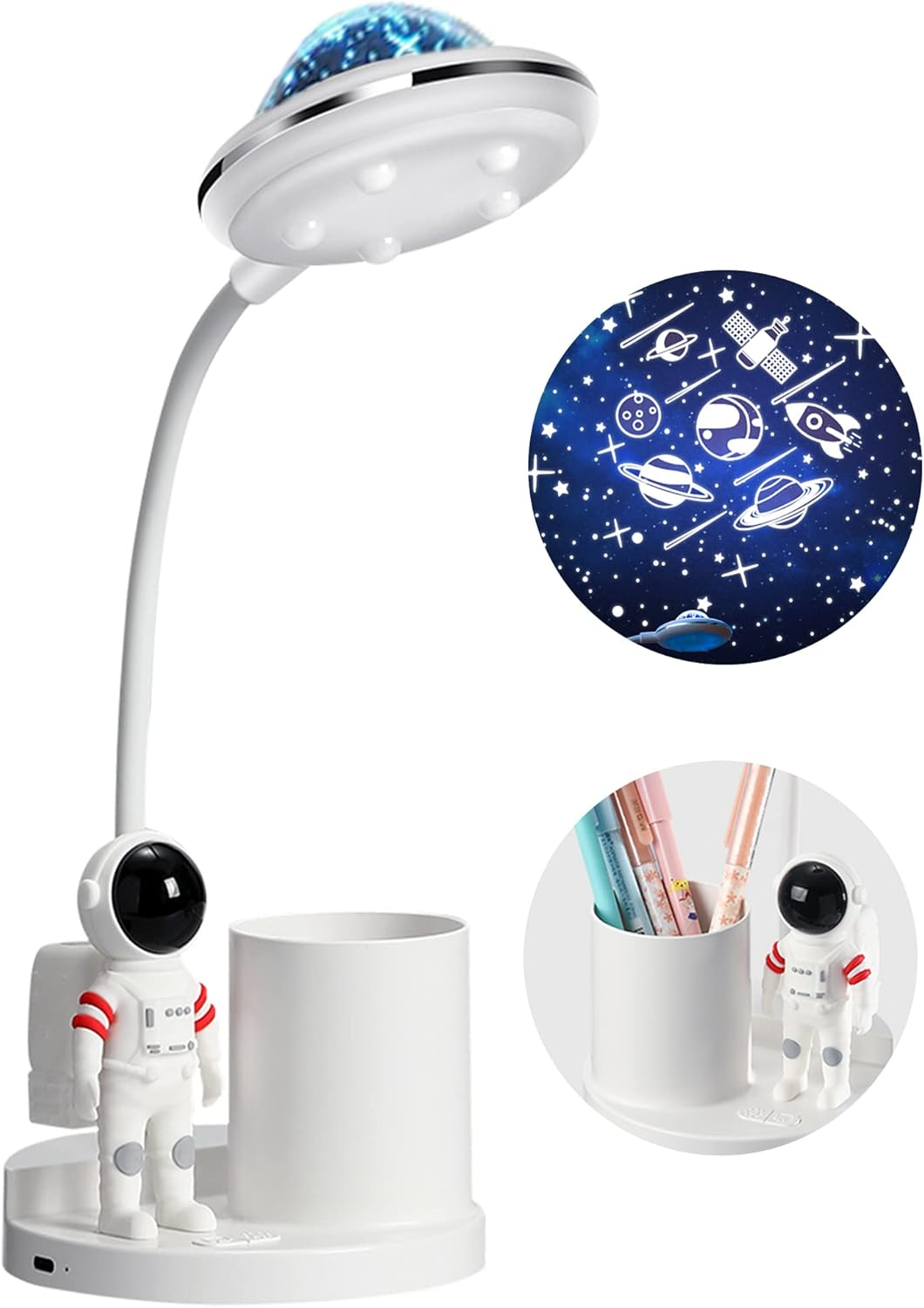
BenQ MindDuo Kids Tech Lamp
The core of myopia control for kids is proper lighting. This smart lamp automatically adjusts brightness based on ambient light and features a “Distance Reminder” to prevent your child from leaning too close to their books.
⚖️ Comparing Myopia Control Options
| Method | Effectiveness | Cost | Ease of Use | Risks |
|---|---|---|---|---|
| Atropine | High | Low–Medium | Easy | Minor |
| Ortho-K | High | High | Moderate | Infection risk |
| Outdoor Time | Moderate | Free | Easy | None |
Vision Risk Assessment
Is your child at high risk for progressive myopia?
1. Do both parents wear glasses for nearsightedness?
🩺 Long-Term Eye Health Considerations
Slowing myopia early helps prevent future complications like glaucoma, retinal detachment, and cataracts. Regular eye exams are essential to track progression and adjust treatment.
👉 Related reading: Glaucoma: Causes, Symptoms, Prevention, and Treatment.
✅ Which Option is Best for Your Child?
The best myopia control strategy depends on:
- Age and myopia progression rate.
- Comfort with contact lens hygiene.
- Parental involvement.
- Lifestyle habits (indoor vs outdoor).
📌 Many doctors recommend combining treatments—such as atropine + outdoor time, or Ortho-K + reduced screen use—for maximum benefit.
🙋 FAQs
Q1: At what age can children start Ortho-K?
👉 Typically from age 6+, depending on maturity and ability to handle lenses.
Q2: Are atropine drops safe for long-term use?
👉 Yes, low doses are considered safe with minimal side effects.
Q3: Can my child stop myopia treatments once vision stabilizes?
👉 Usually yes, but always under medical supervision.
Q4: How much outdoor time is enough?
👉 Aim for at least 2 hours daily.
Q5: What is the most natural method of myopia control for kids?
👉The most natural and cost-effective method of myopia control for kids is increasing daily outdoor time to at least 120 minutes. Sunlight triggers dopamine release in the retina, which naturally slows down the axial growth of the eye.
Q6: Is myopia control for kids permanent?
👉The goal of myopia control for kids is to slow progression during the years when the eye is growing most rapidly (usually until age 18-21). While it doesn’t “cure” nearsightedness, it significantly lowers the final prescription.
Final Conclusion
Taking the Lead in Myopia Control for Kids In modern era, the shift from reactive to proactive eye care is clear. Implementing a dedicated myopia control for kids protocol is not just about reducing the thickness of their glasses; it is about preventing sight-threatening complications later in life. By combining advanced medical treatments like Ortho-K with simple lifestyle biohacks like more outdoor time, you are giving your child the gift of clear, healthy vision. Start your myopia control for kids plan today by consulting with a specialist—your child’s future sight depends on the actions you take now.
A Note from the Founder
"I started CVT because eye health is personal to me. After losing sight in my left eye due to a childhood injury and managing high intraocular pressure for decades, I’ve dedicated my life to finding the best ways to protect the vision we have. Every piece of advice on this site is researched with that same level of care and responsibility. Thank you for being here."