
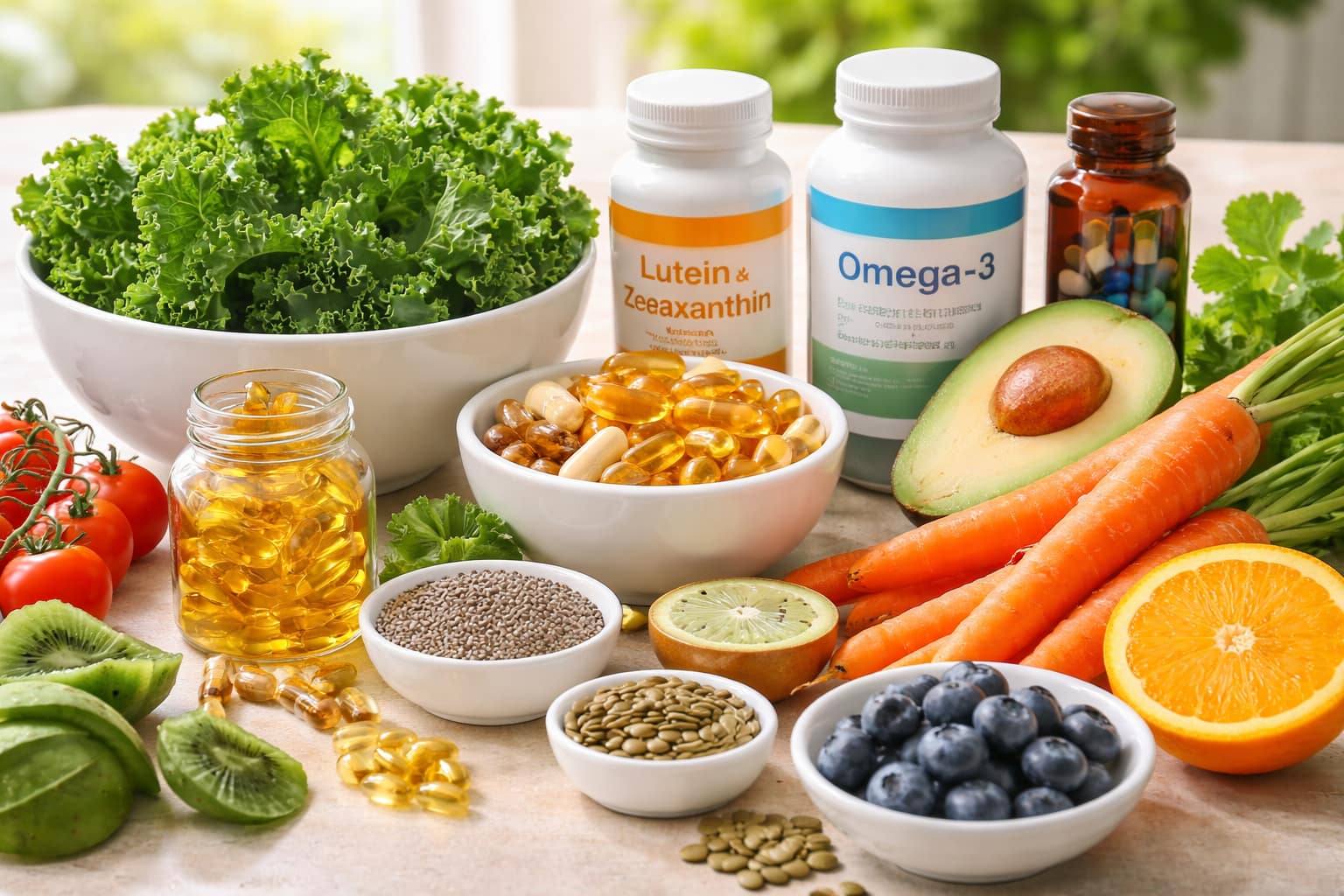
Navigating the crowded market of eye care products can be challenging, but understanding the science behind the most effective ingredients makes choosing the right supplements for eye health a clear, evidence-based process. Our eyes are constantly exposed to oxidative stress, UV light, and digital screens, which can damage sensitive structures like the retina and macula over time. While a healthy diet should always be the foundation, supplements provide concentrated doses of essential nutrients that are difficult to obtain through food alone.
For those looking to go beyond basic nutrition, our Vision Therapy & Advanced Biohacking Hub offers a deep dive into cutting-edge ocular protocols and neuro-protective technologies.
Several large studies, including the AREDS (Age-Related Eye Disease Study) and AREDS2, have shown that specific combinations of vitamins and antioxidants can slow the progression of AMD and protect against vision loss.
Lutein and Zeaxanthin: The Macular Pigments
What They Are
Lutein and zeaxanthin are carotenoids, plant-based pigments found in green leafy vegetables, corn, and egg yolks. They accumulate in the macula, the central part of the retina responsible for sharp vision.
Benefits for Eye Health
- Protect the retina from blue light damage
- Act as powerful antioxidants, reducing oxidative stress
- Reduce risk of AMD and cataracts
- Improve contrast sensitivity and visual performance in low light
Recommended Dosage
- Typical supplement doses: 10–20 mg lutein + 2–4 mg zeaxanthin per day
- Safe for long-term use, especially in adults over 40

NOW Foods Lutein & Zeaxanthin
Supports macular health, blue light protection & visual performance.
- 25 mg Lutein + 5 mg Zeaxanthin
- Enhances visual function
- Helps with screen-related eye strain
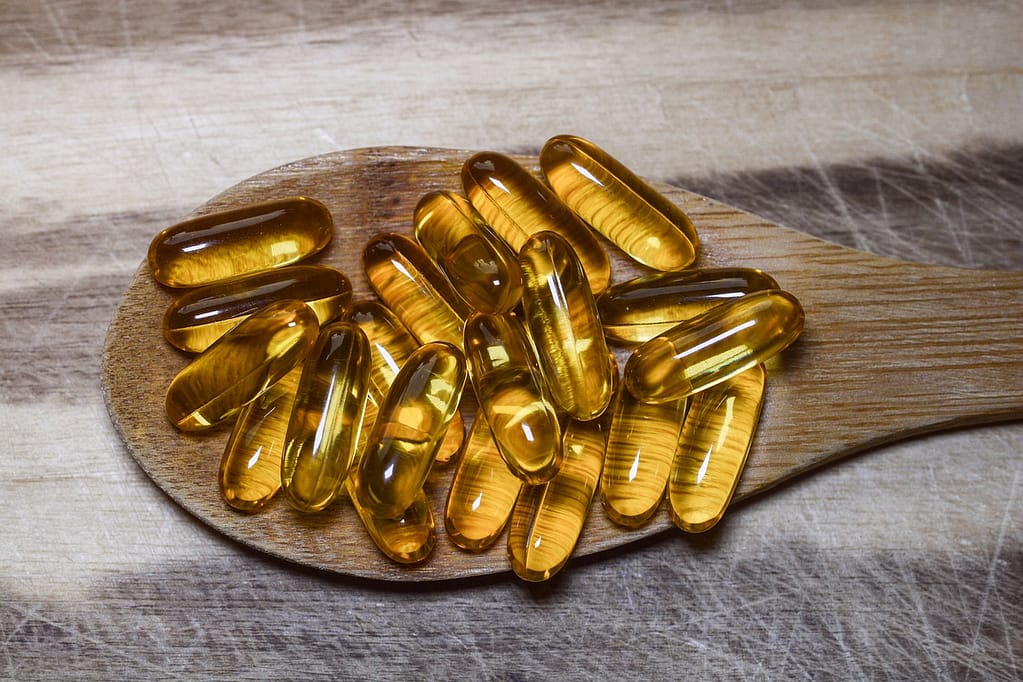
Omega-3 Supplements for Eye Health (EPA and DHA)
Why They’re Important
Omega-3 fatty acids are essential for retinal function and tear production. DHA (docosahexaenoic acid) makes up a significant portion of the retina, while EPA (eicosapentaenoic acid) helps regulate inflammation.
Benefits
- Improves dry eye syndrome by enhancing tear quality
- Supports retinal health and reduces risk of AMD
- Beneficial for infant eye development (via maternal diet or supplements)
Sources and Dosage
- Found in fatty fish (salmon, sardines, mackerel) and algae oil (vegan option)
- Recommended intake: 500–1000 mg combined EPA+DHA daily
💡 Did You Know?
The AREDS2 study proved that a specific combination of lutein, zeaxanthin, vitamins C & E, zinc, and copper can reduce the risk of advanced macular degeneration by up to 25%.
Vitamin A: Essential for Night Vision
Vitamin A plays a central role in producing rhodopsin, a pigment necessary for low-light vision. Deficiency can lead to night blindness and severe eye disorders.
- Sources: Liver, dairy, carrots, sweet potatoes
- Recommended daily intake: 700–900 mcg
- Supplements should be used cautiously, as excessive intake can be toxic
Vitamin C and Vitamin E: The Antioxidant Duo
Vitamin C
- Water-soluble antioxidant
- Helps maintain collagen in the cornea
- Reduces risk of cataracts and AMD progression
Vitamin E
- Fat-soluble antioxidant that protects cell membranes
- Works synergistically with Vitamin C
Dosages:
- Vitamin C: 500–1000 mg daily
- Vitamin E: 200–400 IU daily
The Role of Zinc in Supplements for Eye Health”
Zinc is highly concentrated in the retina and choroid (vascular layer of the eye). It supports vitamin A metabolism and protects against oxidative damage.
- AREDS studies showed that zinc supplementation significantly reduced progression of advanced AMD.
- Recommended dose: 25–40 mg daily
Other Beneficial Supplements
- Astaxanthin: Potent antioxidant found in algae, shown to reduce eye fatigue from screen use
- Bilberry Extract: Supports night vision and microcirculation in the retina
- Ginkgo Biloba: May improve blood flow to the optic nerve, beneficial for glaucoma patients
- Curcumin (Turmeric Extract): Anti-inflammatory, helpful for uveitis and general eye inflammation
Who Should Consider Eye Health Supplements?
- Adults over 50 (higher risk of AMD and cataracts)
- People with family history of vision disorders
- Smokers (higher oxidative stress and vitamin depletion)
- Those with poor diets lacking in fruits, vegetables, or omega-3 sources
- Anyone experiencing digital eye strain and dry eyes

Triple Strength Omega-3 Fish Oil
High-potency EPA & DHA formula designed to improve tear quality and maintain long-term retinal health.
Check Price on Amazon →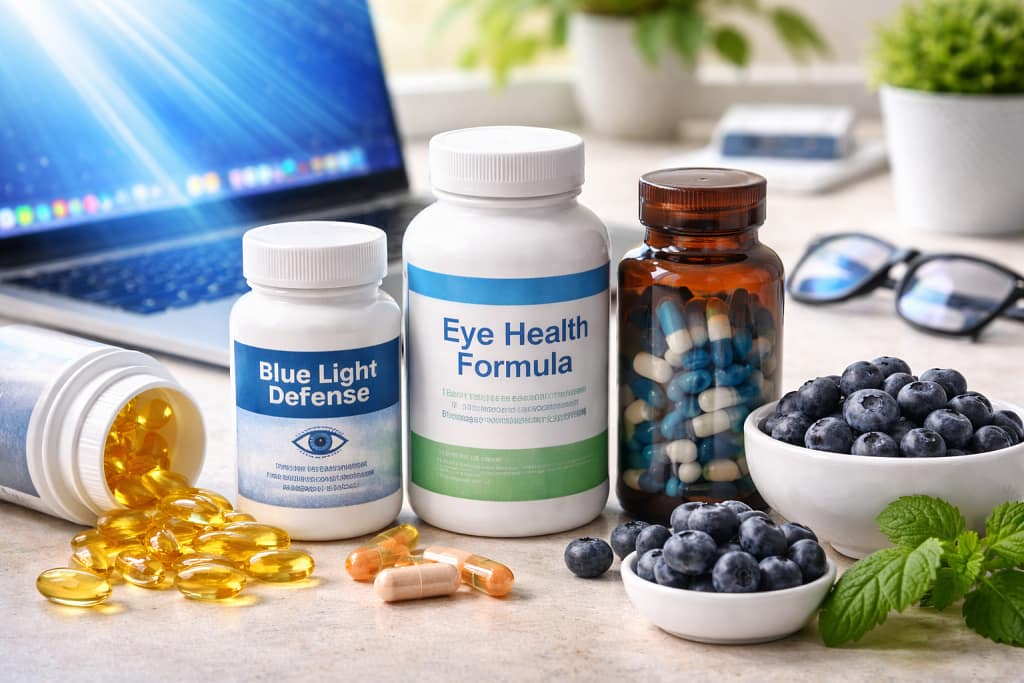
Are Supplements Safe?
Most supplements for eye health are considered safe when taken in recommended amounts. However, always consult an eye care professional before starting new supplements, especially if you:
- Take prescription medications
- Have chronic diseases (diabetes, heart disease)
- Are pregnant or breastfeeding
💡 Did You Know?
The AREDS2 study proved that a specific combination of lutein, zeaxanthin, vitamins C & E, zinc, and copper can reduce the risk of advanced macular degeneration by up to 25%.
❓ Frequently Asked Questions
1. Are specialized supplements for eye health really necessary?
While a diet rich in leafy greens and fish is vital, many people use supplements for eye health to fill nutritional gaps. These are especially beneficial for individuals at higher risk of age-related macular degeneration (AMD) or cataracts.
2. Which omega-3 supplements for eye health are best for dry eyes?
High-quality supplements for eye health containing EPA and DHA fatty acids are excellent for improving tear quality. Consistent intake helps reduce inflammation and significantly relieves chronic dry eye symptoms.
3. How do lutein and zeaxanthin work in vision supplements?
Both are powerful carotenoids found in the best supplements for eye health. They work together to filter harmful blue light and protect the macula from oxidative stress and long-term cellular damage.
4. Can a daily multivitamin replace specific supplements for eye health?
No. Standard multivitamins usually lack the concentrated doses found in supplements for eye health (like the AREDS2 formula). Specialized products provide targeted antioxidant support that general vitamins cannot match.
5. How long should I take supplements for eye health before seeing results?
Consistency is key. Studies on supplements for eye health suggest it typically takes 3 to 6 months of daily use to notice a measurable improvement in vision stability, eye comfort, or night vision.
Conclusion
Supplements are not a replacement for a healthy diet or medical care, but they can play a powerful role in protecting your vision. Lutein, zeaxanthin, omega-3 fatty acids, vitamins A, C, E, and zinc are the most studied and effective.
By combining a nutrient-rich diet, healthy lifestyle habits, and the right supplements, you can significantly reduce your risk of age-related vision loss and maintain sharp eyesight well into old age.
⚡ Pro Tip: Always discuss new supplements with your eye doctor, especially if you already take prescription medications or have chronic conditions.
A Note from the Founder
"I started CVT because eye health is personal to me. After losing sight in my left eye due to a childhood injury and managing high intraocular pressure for decades, I’ve dedicated my life to finding the best ways to protect the vision we have. Every piece of advice on this site is researched with that same level of care and responsibility. Thank you for being here."

