Updated: November 11, 2026
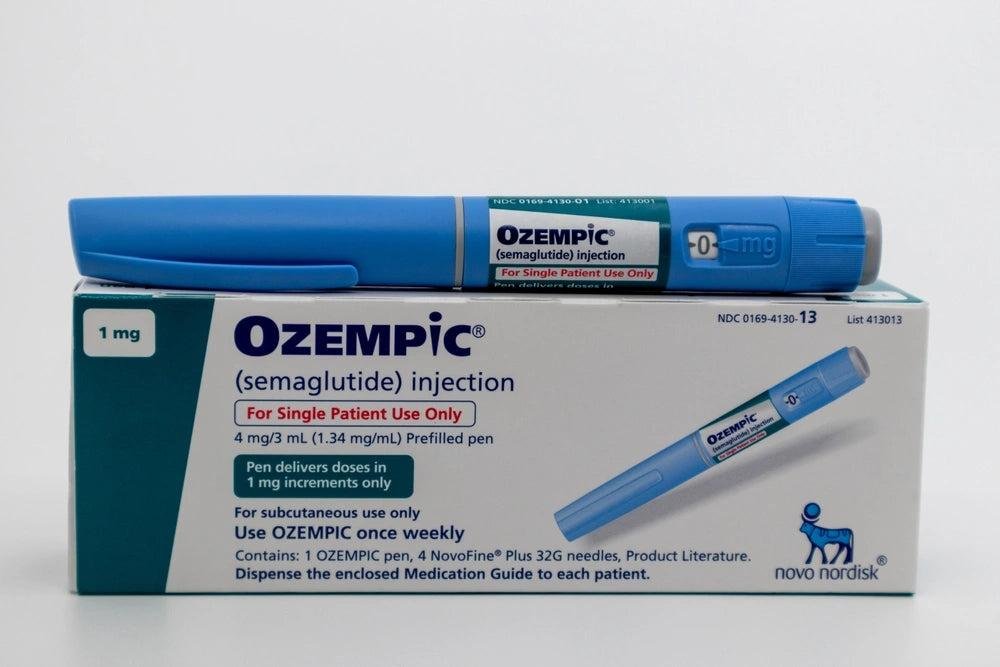
Ozempic and vision loss has become a major topic of discussion after the U.S. Food and Drug Administration (FDA) issued a new safety communication. A medication that helps people manage diabetes or lose weight can become a source of anxiety when headlines suddenly connect it with vision loss. That is exactly what happened after the U.S. Food and Drug Administration (FDA) issued a new safety communication on November 9, 2026, concerning glucagon-like peptide-1 receptor agonists, commonly known as GLP-1 medications.
The FDA announced that manufacturers of GLP-1 drugs must add information about a potential increased risk of a rare but serious eye condition called non-arteritic anterior ischemic optic neuropathy, or NAION, to their product labeling.
The announcement includes medications such as Ozempic, Wegovy, Mounjaro, and Zepbound. The condition can cause sudden, painless loss of vision in one eye and, in some cases, permanent visual impairment.
For people taking these medications, the news naturally raises several questions:
- Can Ozempic actually cause vision loss?
- Does Wegovy carry the same potential eye risk?
- What exactly is NAION?
- Which symptoms should never be ignored?
- Should patients stop taking their medication?
- Is the risk common, or is it extremely rare?
The most important point is this: the FDA has identified a potential increased risk of a rare eye condition, not proof that every person taking a GLP-1 medication will develop vision problems. Patients should understand the warning, recognize urgent symptoms, and discuss individual concerns with their prescribing healthcare professional.
This guide explains the latest FDA announcement, what current evidence says, how NAION affects vision, and what patients can do to protect their eye health.
Quick Answer: Does Ozempic and Vision Loss Link Exist?
The FDA has identified a potential increased risk of NAION in people using GLP-1 receptor agonist medications. NAION is a rare condition involving reduced blood flow to the optic nerve. It can cause sudden, painless vision loss, usually in one eye.
The FDA’s November 9, 2026, communication requires manufacturers of GLP-1 medications to add information about this potential risk to the Warnings and Precautions section of their labeling.
However, the condition remains rare. The available evidence does not mean that most people taking Ozempic, Wegovy, or another GLP-1 medication will experience vision loss.
Patients should contact a healthcare professional immediately if they develop sudden blurry or reduced vision in one eye, a missing area of vision, a blind spot, or unusual color changes.
The FDA has announced a potential increased risk of a rare eye condition called NAION in people using GLP-1 medications, including Ozempic, Wegovy, Mounjaro, and Zepbound.
Sudden, painless vision loss in one eye, a new blind spot, or a missing area of vision requires immediate medical assessment.
Do not stop prescribed medication without speaking with your healthcare professional.
Read the official FDA safety communication →
What Did the FDA Announce on November 9, 2026?
The FDA published a Drug Safety Communication warning about a potential increased risk of non-arteritic anterior ischemic optic neuropathy associated with GLP-1 receptor agonist medications.
The agency reviewed several types of evidence, including clinical trial data, observational studies, post-marketing safety reports, and other available research.
Following its evaluation, the FDA concluded that the potential risk warranted additional safety information in the labeling of GLP-1 medications.
This is an important development because these medications are widely used for type 2 diabetes and weight management.
The FDA’s communication does not establish that every reported case was caused by medication. It also does not mean that patients should independently discontinue treatment.
Instead, it provides updated safety information that patients and healthcare professionals should consider when evaluating treatment benefits and possible risks.
Which medications are included in the FDA warning?
The FDA’s list includes several GLP-1 receptor agonist medications and related products.
| Brand name | Generic ingredient |
|---|---|
| Ozempic | Semaglutide |
| Wegovy | Semaglutide |
| Rybelsus | Semaglutide |
| Mounjaro | Tirzepatide |
| Zepbound | Tirzepatide |
| Victoza | Liraglutide |
| Saxenda | Liraglutide |
| Trulicity | Dulaglutide |
| Byetta | Exenatide |
| Foundayo | Orforglipron |
The FDA communication also lists combination products such as Xultophy and Soliqua.
The list is important because people sometimes assume that the concern applies only to Ozempic. The FDA communication addresses a broader group of medications.
Always check the current prescribing information for your specific medicine. Brand names, approved indications, and labeling can change.
What Is NAION? The Eye Condition Behind the Warning
NAION stands for non-arteritic anterior ischemic optic neuropathy.
It is a condition in which the front portion of the optic nerve does not receive enough blood flow. The optic nerve carries visual information from the eye to the brain. When its blood supply is disrupted, the affected nerve tissue may become damaged.
Unlike some eye conditions that develop gradually, NAION often appears suddenly.
Many people notice the problem when they wake up in the morning. They may discover that vision in one eye has become blurry, dim, or partially missing.
NAION is generally painless. This can make the condition especially confusing because a person may experience a significant visual change without the discomfort that they normally associate with an eye emergency.
What does NAION do to your vision?
The symptoms can vary, but they may include:
- Sudden loss of vision in one eye.
- A dark or blurry area in the visual field.
- A missing section of vision.
- Reduced central visual sharpness.
- Changes in how colors appear.
- A shadow or dim area affecting part of the visual field.
Some people describe the experience as a curtain, gray patch, or missing section in their vision.
These symptoms should never be dismissed as ordinary tired eyes, screen fatigue, or a temporary medication adjustment.
Sudden vision loss is an emergency. Do not wait to see whether it improves on its own.
The FDA’s analysis of 126 clinical trials identified 6.4 probable NAION cases per 100,000 person-years among GLP-1 users, compared with 3.8 per 100,000 person-years in comparator groups.
This is a rare event, but sudden vision changes should never be ignored.
Source: U.S. FDA, November 9, 2026How Rare Is the Potential Risk?
One of the most important parts of the FDA announcement is the actual event rate.
In its analysis of 126 randomized controlled clinical trials across multiple GLP-1 medications, the FDA identified 15 probable NAION events.
The reported incidence rates were:
| Group | NAION events per 100,000 person-years |
|---|---|
| GLP-1 medication group | 6.4 |
| Comparator group | 3.8 |
A person-year is a way of measuring the amount of time people are followed in a study. It is not the same as saying that 6.4 out of every 100,000 people will definitely develop the condition after taking one dose.
The FDA also evaluated real-world data from adults with type 2 diabetes who started different types of diabetes medications between 2019 and 2024.
In that analysis, the agency found no statistically significant increase in NAION risk when GLP-1 medications were compared with SGLT-2 inhibitors. An increased risk was observed in comparison with DPP-4 inhibitors.
These results show why the issue requires careful interpretation. Different study designs and comparison groups can produce different estimates.
The condition is rare, and the available data do not establish that every GLP-1 medication directly causes NAION.
Why relative risk and absolute risk matter
Health headlines sometimes focus on relative risk because it can sound dramatic.
But patients also need to understand absolute risk: how often an event actually occurs in a defined population over a defined period.
A change in relative risk does not automatically mean that an event is common.
For NAION, the FDA’s clinical trial analysis reported a low number of events in both groups. That is why the warning should be taken seriously without creating unnecessary panic.
Why Might GLP-1 Medications Be Associated With NAION?
Researchers are still investigating the relationship between GLP-1 medications and NAION.
The FDA stated that the underlying mechanism is not fully understood. Its review of available animal data did not identify a clear mechanism explaining how GLP-1 medication use could increase the potential risk.
NAION itself is associated with reduced blood flow to the optic nerve. Several health conditions can influence blood vessels, circulation, and optic nerve health.
These include:
- Type 2 diabetes.
- High blood pressure.
- Smoking.
- Sleep apnea.
- Anemia.
- Kidney disease.
Some of these conditions are also common among people who may be prescribed GLP-1 medications.
This overlap makes research more complicated. Scientists must determine whether an observed association is related to the medication itself, underlying health conditions, other treatments, or a combination of factors.
An association does not automatically prove causation.
Does Ozempic Cause Blurry Vision?
Blurry vision can occur for different reasons, and not every episode of blurred vision in a person taking Ozempic is caused by NAION.
One important issue is blood glucose.
In people with diabetes, changes in blood glucose levels can temporarily affect the eye’s focusing system. When glucose levels change significantly, the lens may temporarily change shape, causing vision to appear blurry.
This type of temporary blur is different from sudden, painless vision loss caused by optic nerve damage.
Another concern is diabetic retinopathy.
Diabetic retinopathy is damage to the blood vessels in the retina caused by diabetes. Changes in blood glucose control can be associated with changes in diabetic retinopathy, particularly in people who already have the condition.
Patients with diabetes should therefore continue appropriate retinal monitoring.
Blurry vision: possible explanations
| Possible cause | Typical pattern | What to do |
|---|---|---|
| Changes in blood glucose | Temporary changes in focus or clarity | Contact the diabetes care team if persistent |
| Diabetic retinopathy | May progress without obvious early symptoms | Maintain recommended retinal examinations |
| NAION | Sudden, often painless vision loss in one eye | Seek immediate medical assessment |
| Dry eye | Fluctuating blur, irritation, burning | Discuss persistent symptoms with an eye professional |
| Other eye conditions | Symptoms vary | Arrange an eye examination |
This table is educational, not a diagnostic tool. Symptoms overlap, and only a healthcare professional can determine the cause.

Ozempic, Wegovy, Mounjaro, and Zepbound: Are They All the Same?
These medications belong to a related treatment group, but they are not identical.
Ozempic and Wegovy both contain semaglutide, although their approved uses and dosing regimens differ.
Mounjaro and Zepbound contain tirzepatide, which acts on both GIP and GLP-1 receptors.
The FDA’s November 2026 communication covers a broader group of GLP-1-related medications.
Patients should not assume that a medication is excluded from the warning simply because it has a different brand name or active ingredient.
The correct approach is to discuss the exact medication, dose, medical history, and individual risk factors with the prescribing professional.
Who May Have a Higher Risk of NAION?
NAION can occur in people with different medical backgrounds, but certain conditions are recognized risk factors.
The FDA identifies several factors that may increase concern.
1. Diabetes
Diabetes can affect blood vessels throughout the body, including those that supply the retina and optic nerve.
People with diabetes should maintain their recommended eye examinations and discuss any sudden visual changes immediately.
2. High blood pressure
Blood pressure affects the vascular system. Both the underlying condition and its management may be relevant when evaluating optic nerve health.
Patients should follow their prescribed blood pressure treatment plan.
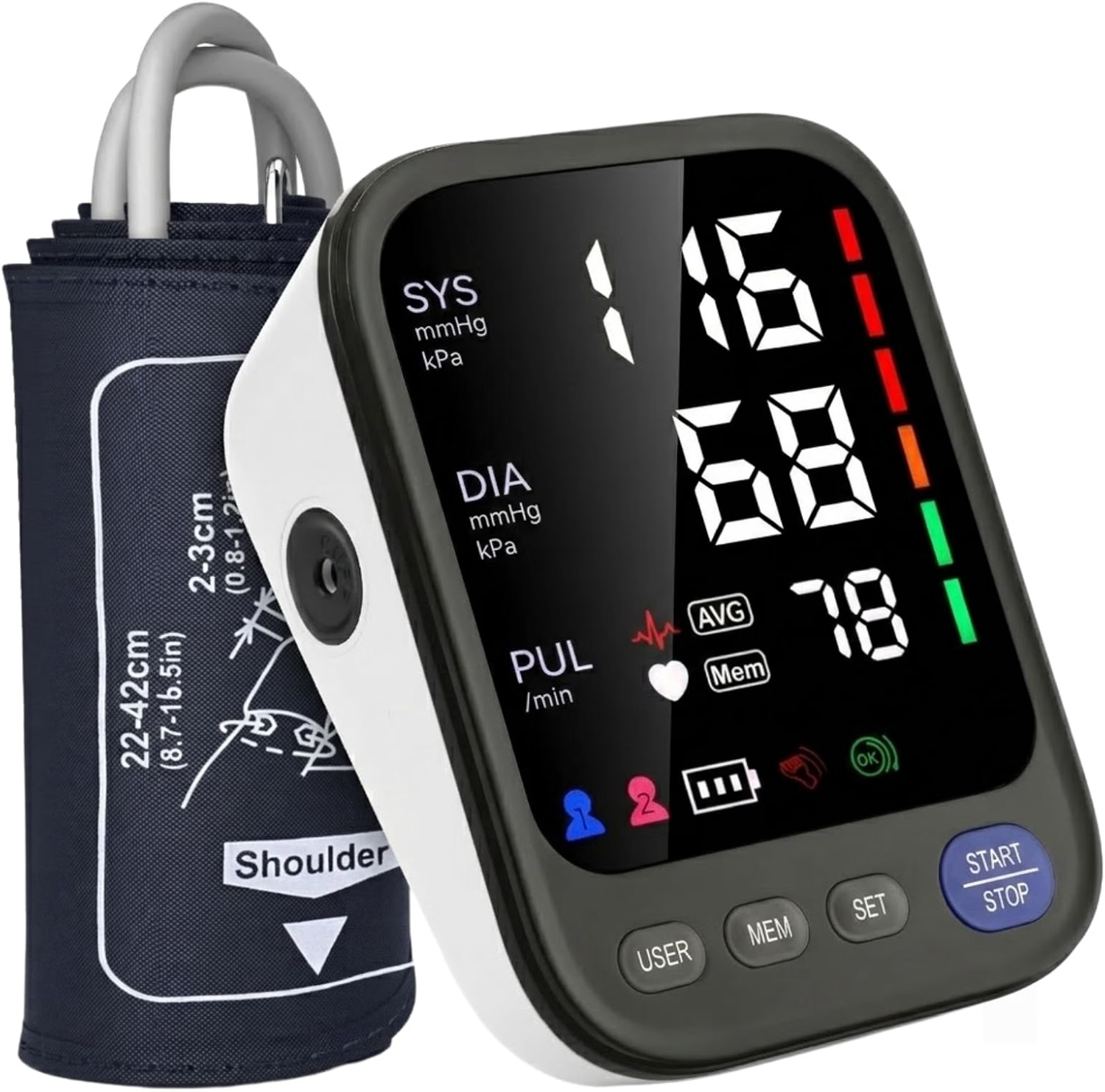
Digital Upper Arm Blood Pressure Monitor
Monitoring your blood pressure at home can help you keep track of an important aspect of your cardiovascular health. This digital upper arm blood pressure monitor is designed for convenient home measurements, making it easier to record your readings and discuss them with your healthcare professional. Regular monitoring may help you stay informed about your blood pressure, especially if you have been advised to keep track of it.
Check Price on AmazonAs an Amazon Associate, Clear Vision Tips earns from qualifying purchases.
3. Sleep apnea
Obstructive sleep apnea causes repeated interruptions in breathing during sleep. It is associated with changes in oxygen levels and cardiovascular health.
People diagnosed with sleep apnea should follow their treatment recommendations and tell their healthcare professional about their condition.
4. Smoking
Smoking can damage blood vessels and increase the risk of several cardiovascular and vascular conditions.
Quitting smoking is an important part of general health protection.
5. Kidney disease and anemia
Kidney disease and anemia may affect overall circulation and oxygen delivery. They are among the factors the FDA identifies as potentially relevant to NAION risk.
Patients with these conditions should make sure that their prescribing clinician knows their full medical history.
What Should You Do If You Take Ozempic or Wegovy?
The FDA announcement may be alarming, particularly for people who have been taking a GLP-1 medication for months or years.
The most useful response is to become informed and communicate with your healthcare team.
Step 1: Do not stop your medication on your own
Do not suddenly discontinue Ozempic, Wegovy, Mounjaro, Zepbound, or another prescribed medication because of a headline.
Stopping treatment without medical advice can affect diabetes management and other health conditions.
If you have concerns, contact the professional who prescribed the medication and ask how the new warning applies to your situation.
Step 2: Know the warning signs
Pay attention to sudden changes in vision, especially in one eye.
Important warning signs include:
- Sudden painless vision loss.
- A new blind spot.
- A missing area of vision.
- A dark or gray patch.
- Sudden reduction in central clarity.
- Unusual color distortion.
If any of these occur, seek urgent medical evaluation.
Step 3: Review your personal risk factors
Tell your healthcare professional if you have diabetes, high blood pressure, sleep apnea, kidney disease, anemia, or a history of NAION.
A complete medical history helps clinicians make more informed treatment decisions.
Step 4: Keep up with eye examinations
People with diabetes should follow recommended diabetic eye screening schedules.
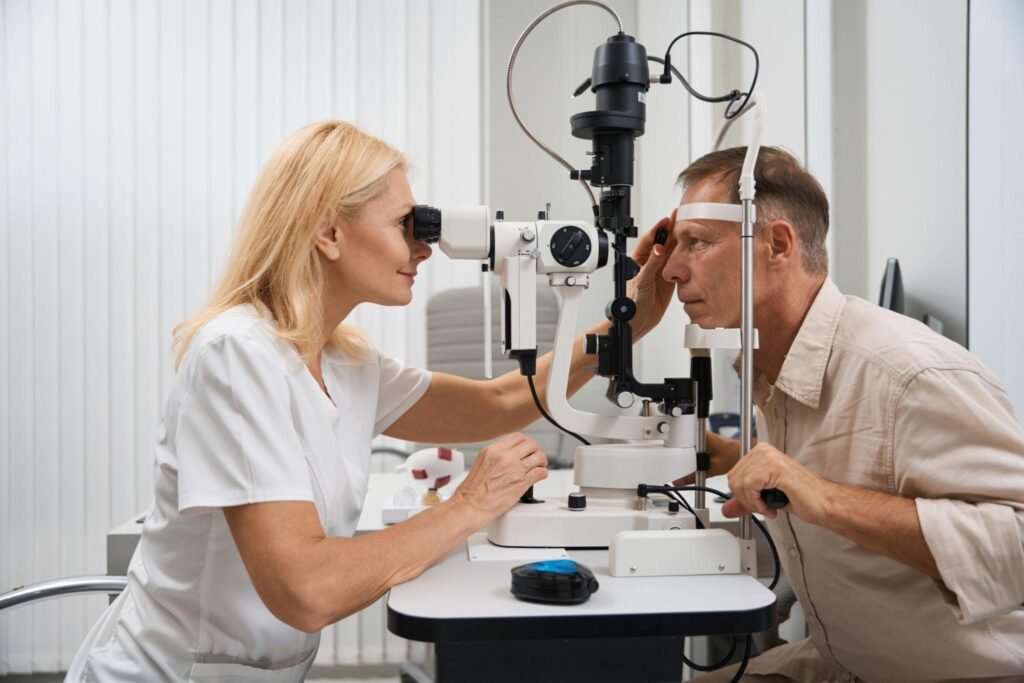
An eye examination may include visual acuity testing, pupil evaluation, a dilated retinal examination, and additional tests when clinically appropriate.
Your eye doctor can determine which examinations are suitable for your medical history.
Step 5: Ask questions before changing treatment
Useful questions include:
- Does my medical history increase my risk of NAION?
- Do I need an eye examination before continuing treatment?
- Should my diabetic retinopathy monitoring schedule change?
- What symptoms should make me seek emergency care?
- How should I contact you if I notice a sudden change in vision?
These questions can help turn a frightening headline into a practical conversation about your health.
When Is Vision Loss an Emergency?
Not every visual change is an emergency, but sudden vision loss must be treated seriously.
Seek immediate medical assessment if you experience:
- Sudden loss of vision in one eye.
- A new dark curtain or missing section of vision.
- Sudden blind spots.
- Sudden painless visual deterioration.
- Sudden visual changes accompanied by neurological symptoms.
Do not drive yourself if your vision is impaired. Use emergency services or have someone help you get urgent medical care.
A person should not wait for a routine appointment if sudden vision loss occurs.
Other eye emergencies can also cause sudden visual symptoms. Retinal detachment, retinal vascular occlusion, and certain neurological conditions require urgent assessment.
The cause cannot be reliably identified at home.

NAION vs. Diabetic Retinopathy: What Is the Difference?
These are two different conditions, even though both can threaten vision.
NAION affects the optic nerve. Diabetic retinopathy affects the retina’s blood vessels.
| Feature | NAION | Diabetic retinopathy |
|---|---|---|
| Main structure affected | Optic nerve | Retina |
| Typical onset | Often sudden | Often gradual |
| Pain | Usually painless | Often painless in early stages |
| Visual symptoms | Sudden loss or missing visual field | Blurry vision, floaters, or vision changes |
| Main risk factors | Vascular and systemic factors | Diabetes and duration of diabetes |
| Assessment | Urgent eye and optic nerve evaluation | Dilated retinal examination and imaging |
These conditions cannot be distinguished safely using symptoms alone.
Can Vision Recover After NAION?
Recovery varies from person to person.
Some people experience partial improvement, while others have lasting visual impairment.
There is no guaranteed way to restore vision after optic nerve damage. This is one reason rapid evaluation is important.
A healthcare professional can assess the optic nerve, visual field, and other possible causes of vision loss.
If NAION is confirmed in a person taking a GLP-1 medication, the FDA advises discussing whether treatment should continue or be stopped with the healthcare professional. The decision must consider the patient’s individual circumstances and the benefits and risks of treatment.
Does This Mean GLP-1 Medications Are Unsafe?
No. The FDA announcement does not mean that GLP-1 medications are universally unsafe or that patients should avoid them.
These medications are prescribed for important health conditions, including type 2 diabetes and obesity. Some have additional approved uses related to cardiovascular, kidney, and other health outcomes.
Treatment decisions involve weighing benefits against potential risks.
A rare safety concern deserves attention, but it should not erase the potential benefits of a medication for an individual patient.
The right decision depends on medical history, treatment goals, existing conditions, alternative options, and professional guidance.
What Does the Research Say?
The relationship between semaglutide and NAION has been investigated in several studies.
A 2024 study published in JAMA Ophthalmology raised concerns about a possible association between semaglutide prescriptions and NAION.
A larger multicenter study published in 2025 examined data from approximately 37.1 million adults with type 2 diabetes across 14 databases. It identified a small increase in relative incidence in one analysis and concluded that further research was needed to establish the nature of the relationship.
The American Academy of Ophthalmology and the North American Neuro-Ophthalmology Society have also reviewed the evidence and issued professional commentary.
The FDA’s November 2026 communication represents a further regulatory assessment, incorporating clinical trial data, real-world evidence, observational research, and post-marketing reports.
The scientific picture is still developing. Different studies have different designs, populations, comparison groups, and limitations.
For patients, the practical message is clear: understand the warning, recognize symptoms, and make medication decisions with a qualified clinician.
How to Protect Your Eye Health While Managing Diabetes or Obesity
There is no lifestyle routine that can guarantee prevention of NAION. However, good management of underlying health conditions supports general vascular and eye health.
Maintain regular diabetes care
Follow your prescribed glucose monitoring and treatment plan. Ask your diabetes care team how often you need retinal screening.
Manage blood pressure
Take prescribed medications as directed and attend recommended follow-up appointments.
Address sleep apnea
If you have symptoms such as loud snoring, witnessed pauses in breathing, or excessive daytime sleepiness, ask a healthcare professional whether sleep apnea evaluation is appropriate.
Avoid smoking
If you smoke, seek support for quitting. Smoking cessation benefits cardiovascular and overall health.
Do not ignore new visual symptoms
Sudden changes should never be treated with home remedies or supplements instead of medical assessment.
Keep your healthcare professionals informed
Make sure your primary care clinician, endocrinologist, pharmacist, and eye doctor know which medications you take.
A coordinated approach can help prevent important information from being missed.
Frequently Asked Questions
1. Can Ozempic cause permanent blindness?
The FDA has identified a potential increased risk of NAION, a rare condition that can cause permanent vision loss. This does not mean that permanent blindness is a common outcome for people taking Ozempic. Sudden vision changes require immediate medical assessment.
2. Does Wegovy have the same eye warning as Ozempic?
Yes. Both contain semaglutide, and both are included in the broader FDA safety communication concerning GLP-1 medications and the potential risk of NAION.
3. Can Mounjaro and Zepbound affect vision?
The FDA communication includes these medications in its broader GLP-1-related safety review. Patients taking them should be aware of sudden visual symptoms and discuss individual concerns with their healthcare professional.
4. What is the first symptom of NAION?
A common presentation is sudden, painless loss or reduction of vision in one eye. Some people notice a blind spot, dark area, or missing portion of their visual field, sometimes when they wake up.
5. Should I stop taking Ozempic because of the FDA warning?
Do not stop or change your medication without professional guidance. Contact the prescribing clinician to discuss the warning and your individual medical history. If sudden vision loss occurs, seek urgent medical care.
6. Is blurry vision always a sign of NAION?
No. Blurry vision can have many causes, including changes in blood glucose, dry eye, refractive changes, and retinal conditions. However, sudden or significant vision changes should be assessed promptly.
7. Is NAION painful?
NAION is usually painless. The absence of pain does not make sudden vision loss less serious.
8. Can NAION affect both eyes?
NAION typically affects one eye at a time. People who have experienced NAION in one eye may have an increased risk of it occurring in the other eye.
9. Does everyone taking a GLP-1 medication need an eye examination?
The FDA communication does not establish a universal special screening schedule for every patient. People with diabetes should follow their recommended eye examination schedule. Ask your clinician whether your medical history requires additional assessment.
10. Is the FDA warning proof that Ozempic causes NAION?
The FDA identified a potential increased risk and is requiring updated safety labeling. This is an important regulatory warning, but it does not mean that causation has been established in every individual case.
11. Can diabetic retinopathy get worse when blood sugar improves?
Changes in glucose control can be associated with early worsening of diabetic retinopathy in some patients, particularly when retinopathy is already present. People with diabetes should follow their clinician’s retinal monitoring recommendations.
12. What should I do if I wake up and one eye is suddenly blurry?
Treat sudden visual loss or a new blind spot as urgent. Contact emergency medical services or seek immediate medical evaluation. Do not wait for a routine appointment or assume it is a temporary medication effect.
Conclusion: Take the FDA Warning Seriously, but Do Not Panic
The November 2026 FDA safety communication has brought an important eye-health issue to the attention of people using Ozempic, Wegovy, Mounjaro, Zepbound, and other GLP-1-related medications.
The potential association with NAION deserves attention because the condition can cause sudden, painless, and sometimes permanent vision loss.
At the same time, NAION is rare, and the FDA’s findings do not mean that most people taking these medications will experience vision problems.
The smartest response is not panic or suddenly stopping treatment. It is understanding the warning, knowing the symptoms, keeping up with recommended eye examinations, and discussing personal risks with a healthcare professional.
If you experience sudden vision loss, a new blind spot, or an abrupt change in vision in one eye, seek urgent medical care. Do not wait for the symptoms to disappear.
Your eyesight matters, and informed decisions are one of the most important ways to protect it.
A Note from the Founder
"I started CVT because eye health is personal to me. After losing sight in my left eye due to a childhood injury and managing high intraocular pressure for decades, I’ve dedicated my life to finding the best ways to protect the vision we have. Every piece of advice on this site is researched with that same level of care and responsibility. Thank you for being here."