The Smartphone Era and Eye Health
Smartphones have become extensions of our hands. From the moment we wake up to the moment we fall asleep, many of us spend hours staring at a glowing screen. While these devices bring incredible convenience, they also raise concerns about eye health.
One of the most common questions people ask is: Do smartphones damage your eyesight?
This article will separate myths from scientific facts and give you practical, evidence-based strategies to keep your eyes safe in the digital age.
1. Understanding the Relationship Between Smartphones and Vision
Smartphones and Eye Strain
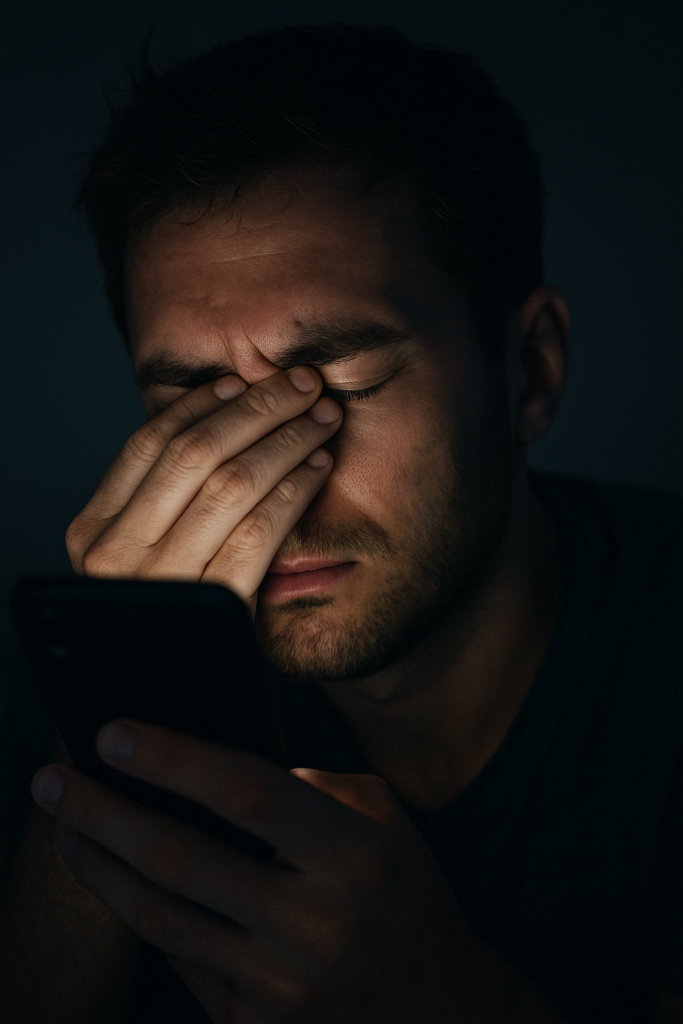
While smartphones themselves don’t cause blindness, excessive use is strongly linked to digital eye strain (computer vision syndrome). This condition occurs because your eyes are not designed for long periods of close-up focus on small screens.
Common symptoms of digital eye strain include:
- Blurred or double vision
- Headaches
- Dry, irritated eyes
- Neck and shoulder pain
- Difficulty focusing between near and far objects
Myth #1: Smartphones Cause Permanent Blindness
A widespread myth is that smartphones cause blindness. Scientific evidence shows this is not true. Smartphones do not emit harmful radiation that directly destroys vision. Instead, they contribute to temporary discomfort and eye fatigue, which can indirectly worsen existing problems.
According to clinical research shared by the American Academy of Ophthalmology, there is no evidence that the blue light from smartphones causes physical damage to the retina or leads to blindness; the primary issue remains how we strain our eye muscles during use.
Myth #2: Blue Light from Phones Permanently Damages Eyes
Another popular concern is blue light exposure. Blue light can indeed affect sleep cycles by disrupting melatonin production, but current research shows it does not cause permanent retinal damage at everyday smartphone levels.
However, overexposure late at night may contribute to sleep deprivation, which in turn affects long-term eye health.
While blue light is often blamed for permanent damage, the real culprit behind daily discomfort is how we focus. To understand the mechanics of screen fatigue, check out our comprehensive Digital Eye Strain Guide, where we break down how to neutralize the ‘squeezing’ sensation caused by long phone sessions
Science-Based Facts About Smartphones and Vision
- Fact 1: Smartphones don’t directly cause blindness.
- Fact 2: They do cause eye strain and discomfort when used excessively.
- Fact 3: Poor posture during use can add neck and shoulder pain to the mix.
- Fact 4: Blue light exposure disrupts sleep patterns, which indirectly harms overall eye health.
2. The Long-Term Effects of Smartphone Overuse
Eye Development in Children and Teens
Children are spending more time than ever on smartphones. Studies suggest that excessive close-up screen time may increase the risk of myopia (nearsightedness).
- Kids who spend little time outdoors and a lot of time on phones are more likely to develop progressive myopia.
- Natural sunlight exposure helps regulate healthy eye growth.
Dry Eyes and Smartphone Use
Another growing problem is dry eye syndrome. Normally, humans blink 15–20 times per minute. While looking at phones, blinking can drop to 5–7 times per minute. Less blinking means less moisture, leading to burning and scratchy sensations.
Practical fix: Blinking exercises and using artificial tears when needed.
Sleep Disturbances and Indirect Eye Strain
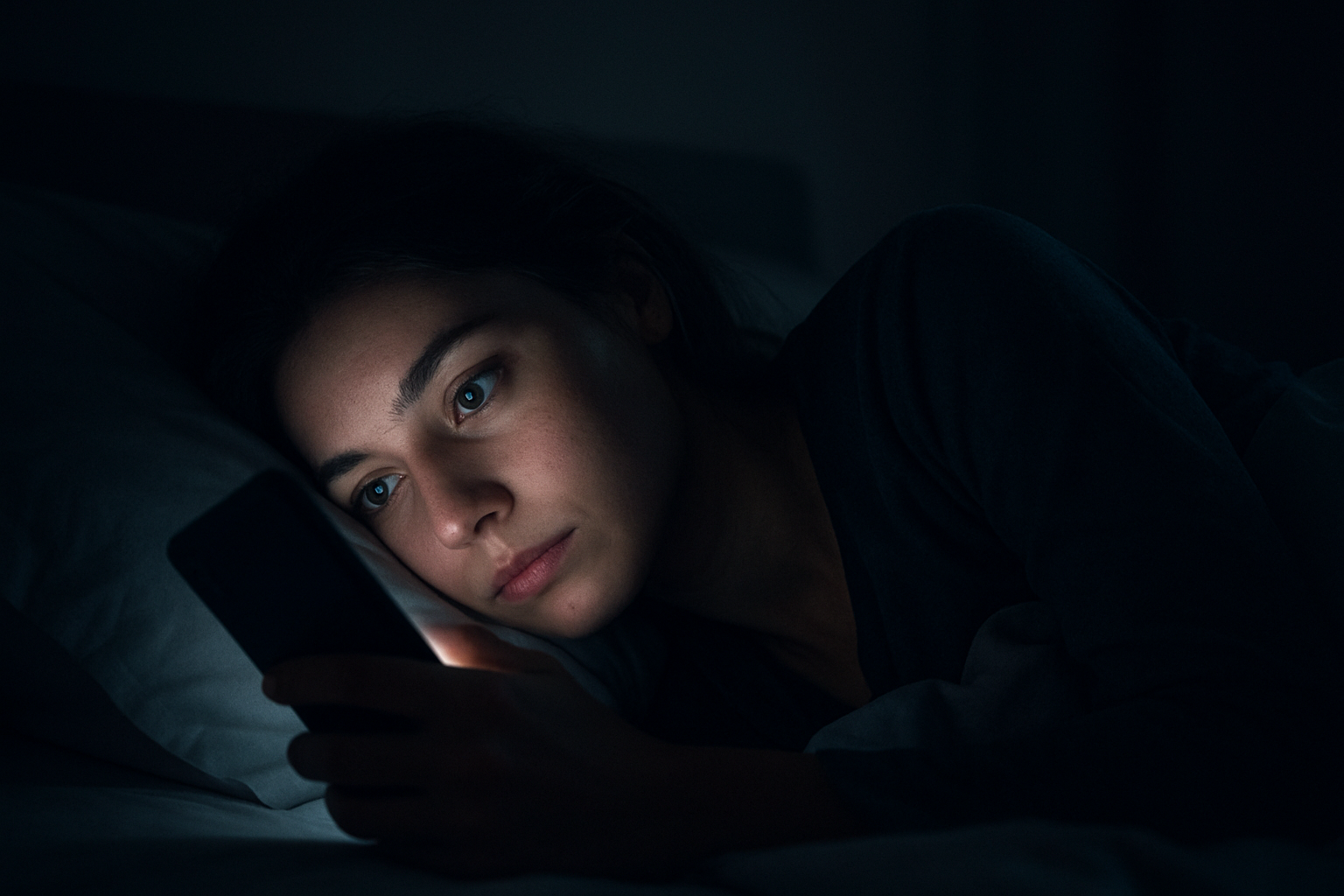
Late-night scrolling keeps your brain alert, preventing proper melatonin release. Without restorative sleep, your eyes don’t get the nightly recovery they need. Over time, this can worsen dry eyes, eye strain, and fatigue.
Tip: Turn on night shift mode or blue light filters after sunset.
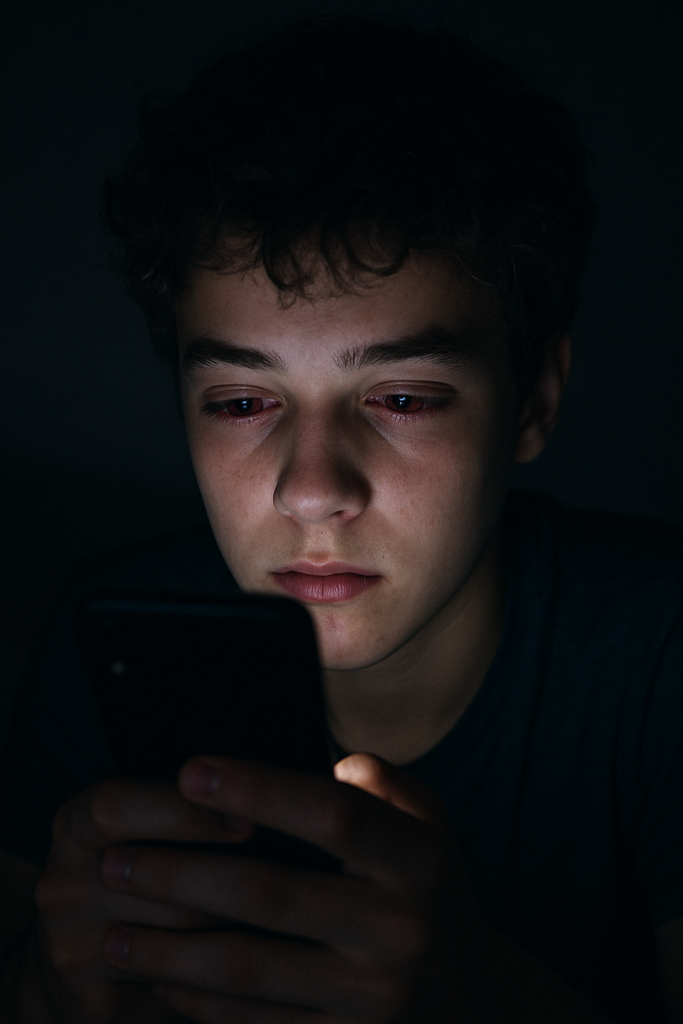
Smartphone Addiction and Mental Fatigue
Eye strain is not just physical—it’s also mental. Constant notifications, endless scrolling, and screen addiction can lead to mental burnout. Stress and anxiety are often linked to worsening eye strain symptoms.
3. How to Use Smartphones Without Hurting Your Eyes
The 20-20-20 Rule
This golden rule is recommended by eye doctors worldwide:
Every 20 minutes, look at something 20 feet away for at least 20 seconds.
This relaxes the focusing muscles inside your eyes, preventing fatigue.
Ideal Screen Settings for Eye Comfort
- Increase text size – small fonts make you squint.
- Keep brightness balanced with room lighting.
- Enable dark mode or night mode after sunset.
- Adjust contrast to make reading easier.
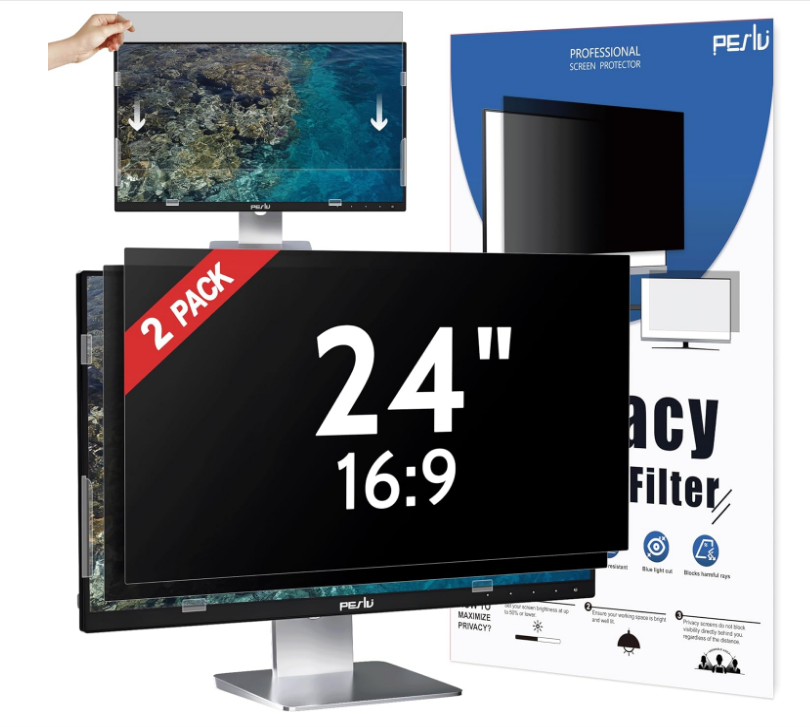
Anti-Glare & Blue Light Shield
If you’re asking, ‘do smartphones damage your eyesight’, the answer often lies in glare and high-energy light. This medical-grade screen protector reduces digital eye strain by filtering harmful frequencies without distorting your screen’s clarity.
Healthy Habits to Protect Your Eyes
- Hold your phone at least 16–18 inches away from your eyes.
- Avoid using phones in pitch-dark rooms.
- Limit bedtime scrolling – it harms both sleep and vision.
- Get regular eye exams to monitor your vision health.
Natural Support for Eye Health
Your lifestyle choices also matter:
- Eat foods rich in lutein, zeaxanthin, and omega-3s.
- Spend at least 2 hours outdoors daily.
- Stay hydrated to prevent dry eye symptoms.
Frequently Asked Questions (FAQ)
Q1: Can smartphones cause permanent vision loss?
No, smartphones do not directly cause blindness, but poor habits can increase eye strain and worsen existing conditions.
Q2: Is blue light from phones dangerous?
Not at normal levels. It mainly affects your sleep cycle, not permanent eye damage.
Q3: Can children develop vision problems from smartphones?
Yes, excessive close-up screen use in children can increase the risk of myopia.
Q4: What is the safest way to use a smartphone?
Follow the 20-20-20 rule, use proper lighting, and avoid late-night screen exposure.
Q5: Do smartphones damage your eyesight more than computers?
Technically, yes. Because smartphone screens are smaller, we tend to hold them closer to our eyes (around 8–12 inches). This increased “near-work” demand puts more stress on the ciliary muscles than a desktop monitor, making people wonder do smartphones damage your eyesight more rapidly through muscle fatigue.
Q6: Can dark mode help if smartphones damage your eyesight?
Dark mode reduces overall brightness and can be easier on the eyes in low-light environments. While it doesn’t “fix” the potential for strain, it minimizes the harsh contrast that often leads users to ask do smartphones damage your eyesight due to glare.
Conclusion: Taking Control of Your Digital Vision
So, do smartphones damage your eyesight permanently? The scientific consensus is that while they don’t cause direct blindness, they drastically change how our eyes function, leading to chronic strain and a higher risk of myopia. Understanding that modern devices are a permanent part of life means we must adapt. By mastering the 20-20-20 rule, optimizing your screen settings, and ensuring you get enough outdoor time, you can enjoy technology without constantly wondering do smartphones damage your eyesight. Your vision is your most valuable asset—treat it with the care it deserves in the digital age.
A Note from the Founder
"I started CVT because eye health is personal to me. After losing sight in my left eye due to a childhood injury and managing high intraocular pressure for decades, I’ve dedicated my life to finding the best ways to protect the vision we have. Every piece of advice on this site is researched with that same level of care and responsibility. Thank you for being here."