

Do you frequently wake up with red, irritated, watery eyes? Does one eye feel worse than the other, especially after sleeping on your side? Perhaps your eyelids feel unusually loose, your eyes seem swollen in the morning, or you constantly experience a gritty sensation that does not improve with ordinary eye drops.
These symptoms are often blamed on allergies, dry eye, poor sleep, or environmental irritation. However, there is another possible explanation that many people have never heard of: floppy eyelid syndrome (FES).
Floppy eyelid syndrome is an underrecognized eye condition in which the upper eyelids become unusually loose and flexible. They can turn outward more easily than normal, exposing the delicate inner eyelid surface and potentially irritating the eye during sleep.
The result can be recurring redness, tearing, light sensitivity, mucus-like discharge, and discomfort that is often worse immediately after waking up.
But there is another important reason to understand this condition: floppy eyelid syndrome has a significant association with obstructive sleep apnea (OSA), a sleep-related breathing disorder that can have consequences beyond eye health.
In this guide, you will learn how to recognize floppy eyelid syndrome, why it may be worse in the morning, how it is diagnosed, which treatments may help, and when to seek professional care.
What Is Floppy Eyelid Syndrome?
Floppy eyelid syndrome is an eye condition characterized by excessive looseness of the upper eyelid.
Normally, the upper eyelid has enough structural support to maintain its position while you blink, sleep, and move your eyes. In people with FES, the eyelid tissue becomes unusually flexible and may turn outward with relatively little pressure.
When the eyelid everts, its inner surface can become exposed to friction, air, bedding, and other sources of irritation.
Repeated exposure can contribute to inflammation of the conjunctiva, the thin membrane covering the inner eyelid and the white part of the eye.
FES can affect one or both eyes. Symptoms may be more noticeable on the side a person usually sleeps on.
It is not simply a cosmetic problem or an ordinary sign of aging. In some cases, ongoing irritation can affect the cornea, the transparent front surface of the eye.
The American Academy of Ophthalmology describes FES as a condition involving easily everted upper eyelids and chronic inflammation of the inner eyelid surface. American Academy of Ophthalmology+1

9 Common Symptoms of Floppy Eyelid Syndrome
The symptoms of floppy eyelid syndrome can resemble other eye conditions, especially dry eye and allergic conjunctivitis.
However, the timing and recurring pattern may provide important clues.
1. Red Eyes Immediately After Waking Up
One of the characteristic complaints is redness that is particularly noticeable in the morning.
During sleep, a loose eyelid may turn outward or fail to protect the eye properly. Repeated contact with bedding and exposure of the inner eyelid can contribute to inflammation.
Some people notice that redness improves during the day but returns after another night’s sleep.
2. Persistent Eye Irritation
People with FES may describe their eyes as uncomfortable, scratchy, or irritated.
The sensation may feel similar to having a small particle trapped beneath the eyelid.
This discomfort can persist despite using ordinary lubricating eye drops.
3. Excessive Tearing
Although FES is associated with ocular surface irritation, the eyes may produce more tears than usual.
This is a protective response to irritation and inflammation.
Watery eyes do not always mean that the eye surface is adequately lubricated.
4. Sensitivity to Light
Some people experience photophobia, meaning that ordinary light feels uncomfortable.
This may occur when inflammation affects the ocular surface or when the cornea becomes irritated.
Significant or new light sensitivity, especially with pain or reduced vision, deserves prompt assessment.
5. A Foreign-Body Sensation
A common complaint is the feeling that something is stuck in the eye.
This sensation can be caused by irritation of the conjunctiva or corneal surface.
Rubbing the eyes may make the problem worse, particularly when eyelid tissue is already loose.
6. Mucus-Like Eye Discharge
Some people develop a sticky or mucus-like discharge.
This may be particularly noticeable after sleeping.
However, thick discharge, severe redness, pain, or swelling can also indicate infection or another inflammatory condition. These symptoms should not automatically be attributed to FES.
7. Swollen or Puffy Eyelids
The eyelids may appear swollen or irritated, especially in the morning.
Persistent swelling should be evaluated because several conditions can produce similar symptoms.
8. Blurry or Fluctuating Vision
If the corneal surface becomes irritated or damaged, vision may temporarily become less clear.
Blurry vision should never be dismissed as a normal feature of FES. Sudden or significant vision changes require urgent medical assessment.
9. Symptoms That Are Worse on One Side
Some people notice that the eye on the side they sleep on is more irritated.
This may happen because the affected eyelid experiences repeated contact with a pillow or bedding.
The pattern is a useful clue to discuss with an eye-care professional, but it does not establish the diagnosis.
These symptoms are described in ophthalmology references, including the American Academy of Ophthalmology and StatPearls. American Academy of Ophthalmology+2

Why Are Floppy Eyelid Syndrome Symptoms Worse in the Morning?
The connection with sleep is one of the most interesting aspects of this condition.
When you sleep, your eyelids should protect the surface of your eyes. They help limit exposure and reduce irritation.
With FES, the upper eyelid may be unusually flexible and can turn outward more easily.
Several factors may contribute to morning symptoms:
- Pressure from sleeping face-down or on one side
- Friction between the eyelid and pillow
- Exposure of the inner eyelid surface
- Reduced protection of the cornea
- Repeated mechanical irritation during sleep
This may explain why someone feels relatively comfortable during the day but wakes up with redness, watering, and irritation.
An important clue: If you repeatedly wake up with one irritated eye, particularly the eye against the pillow, mention this pattern during your eye examination.
Floppy Eyelid Syndrome and Sleep Apnea: What Is the Connection?
Floppy eyelid syndrome (FES) is strongly associated with obstructive sleep apnea (OSA), a condition in which breathing repeatedly becomes partially or completely blocked during sleep.
Someone diagnosed with FES may benefit from discussing sleep apnea screening with a healthcare professional, particularly when snoring, daytime sleepiness, or witnessed breathing pauses are also present.
Obstructive sleep apnea occurs when the upper airway repeatedly narrows or becomes blocked during sleep, which can interrupt normal breathing and severely reduce sleep quality.
Clinical research has identified a significant association between FES and OSA. While the exact biological mechanisms are not completely understood, repeated mechanical stress, elastin tissue changes, and shared risk factors likely contribute to both conditions.
Possible sleep apnea symptoms include:
- Loud, habitual snoring
- Pauses in breathing noticed by another person
- Gasping or choking during sleep
- Waking up with morning headaches
- Excessive daytime sleepiness
- Difficulty concentrating
- Unrefreshing sleep
Not everyone with floppy eyelid syndrome has sleep apnea, and having FES does not automatically mean that someone has OSA. However, the correlation is strong enough that clinicians recommend proactive screening when symptoms overlap.
According to clinical guidelines from the American Academy of Ophthalmology, evaluating patients diagnosed with floppy eyelid syndrome for underlying obstructive sleep apnea is an important step in comprehensive ocular and systemic care.
Who Is More Likely to Develop Floppy Eyelid Syndrome?
FES was initially described in middle-aged men, particularly those with obesity. However, it is now recognized in a wider range of people.
Potentially associated factors include:
- Obstructive sleep apnea
- Obesity
- Repeated eye rubbing
- Eyelid tissue laxity
- Certain eyelid structural changes
- Associated ocular surface conditions
FES can affect women and people who are not overweight. It should not be excluded simply because someone does not fit the older description of the typical patient.
A proper examination is more important than appearance or body type.
How Is Floppy Eyelid Syndrome Diagnosed?
There is no single home test that can reliably diagnose FES.
An eye-care professional typically evaluates the eyelids, conjunctiva, cornea, and overall ocular surface.
1. Eyelid Laxity Examination
The doctor examines how easily the upper eyelid moves or turns outward.
This is one of the most important clinical features of FES.
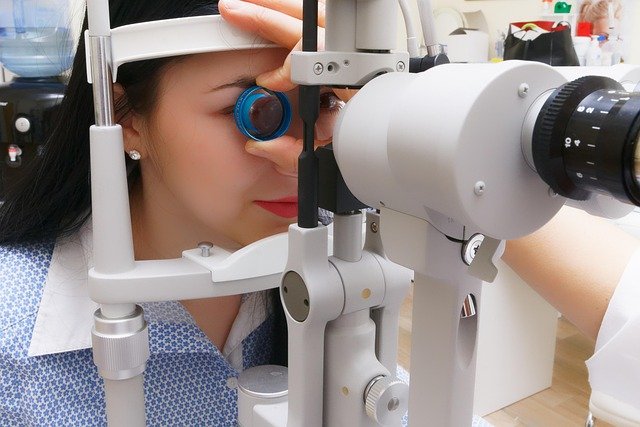
2. Slit-Lamp Examination
A slit lamp allows the doctor to examine the inner eyelid surface, conjunctiva, and cornea in detail.
It can help identify irritation, inflammation, and surface damage.
3. Corneal Examination
The cornea may be examined for signs of exposure, scratches, inflammation, or other complications.
Fluorescein dye may be used to highlight areas of surface damage.
4. Assessment for Related Eye Conditions
The doctor may also check for blepharitis, meibomian gland dysfunction, keratoconus, and other conditions that can contribute to irritation.
5. Sleep Apnea Assessment
If FES is diagnosed, your healthcare professional may ask about snoring, daytime fatigue, morning headaches, and interrupted breathing during sleep.
If OSA is suspected, referral to a sleep specialist may be appropriate. A sleep study may be recommended to confirm the diagnosis.
Floppy Eyelid Syndrome vs. Dry Eye: What Is the Difference?
These two conditions can produce similar symptoms, which is one reason FES may be overlooked.
| Feature | Floppy Eyelid Syndrome | Dry Eye Disease |
|---|---|---|
| Main problem | Excessively loose eyelid tissue | Tear-film or ocular-surface dysfunction |
| Morning symptoms | Often prominent | May be prominent |
| Redness | Common | Common |
| Watery eyes | Possible | Possible |
| Foreign-body sensation | Common | Common |
| Easily everted upper eyelid | Characteristic finding | Not a defining feature |
| Sleep apnea association | Strong association | Not a defining feature |
| Diagnosis | Eyelid and ocular-surface examination | Tear-film and ocular-surface assessment |
It is also possible to have both conditions at the same time.
If ordinary dry-eye treatment has not improved recurring morning irritation, ask your eye-care professional whether eyelid laxity should be evaluated.
Can Floppy Eyelid Syndrome Damage Your Eyes?
FES should not be ignored simply because its symptoms may initially seem mild.
Repeated exposure and friction can irritate the conjunctiva and corneal surface.
Possible complications include:
- Chronic conjunctival inflammation
- Corneal epithelial damage
- Exposure keratopathy
- Recurrent corneal irritation
- Corneal abrasions
- Keratitis
- In severe cases, corneal ulceration and scarring
The risk and severity vary between individuals.
Persistent symptoms, pain, light sensitivity, or reduced vision require professional assessment.
How Is Floppy Eyelid Syndrome Treated?
Treatment depends on how severe the condition is, whether the cornea is affected, and whether an associated sleep disorder is present.
1. Lubricating Eye Drops
Artificial tears may help reduce irritation and improve comfort.
An eye-care professional can recommend an appropriate product and explain how frequently to use it.
Preservative-free formulations may be appropriate for some people, particularly when frequent application is needed.
Lubricants can relieve symptoms but do not correct excessive eyelid laxity.
2. Lubricating Eye Ointment at Night
An ophthalmic lubricant ointment may help protect the ocular surface during sleep.
Because ointments can temporarily blur vision, they are commonly used at bedtime when recommended by a clinician.
3. Protective Eye Shields
A properly selected eye shield may help protect the eyelid from friction and reduce accidental eversion during sleep.
The fit and type should be discussed with an eye-care professional.
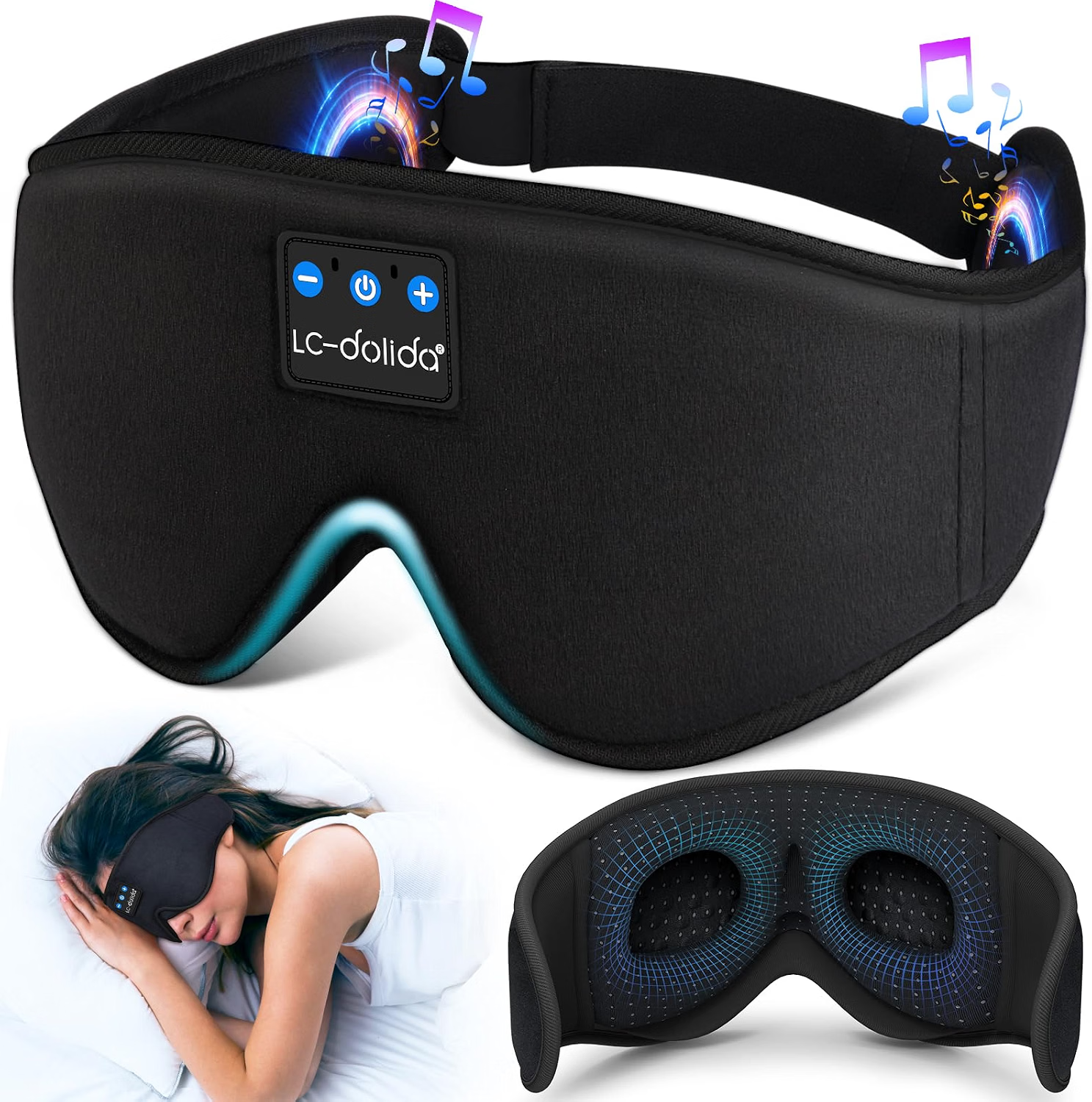
Protective Sleep Eye Shield
A properly fitted eye shield may help protect the eyes from contact with bedding during sleep. Ask your ophthalmologist whether this type of protection is suitable for you.
Explore on Amazon →4. Eyelid Taping
In selected cases, a clinician may recommend a specific method of gently securing the eyelid during sleep.
Incorrect taping can irritate or injure the skin and eye. Do not improvise by pulling the eyelid tightly or applying household adhesives near the eye.
5. Avoid Rubbing Your Eyes
Frequent eye rubbing can worsen irritation and place additional mechanical stress on the eyelids and cornea.
If your eyes itch, seek advice about the underlying cause rather than repeatedly rubbing them.
6. Address Obstructive Sleep Apnea
If OSA is diagnosed, treating it is important for overall health.
A sleep specialist may recommend positive airway pressure therapy, such as CPAP, depending on the individual’s condition.
Improvement in OSA management may also improve some FES symptoms.
Do not stop prescribed sleep apnea treatment without consulting your healthcare professional.
7. Eyelid Surgery
If conservative treatments do not adequately control symptoms, an oculoplastic surgeon may consider surgery.
The aim is to tighten and stabilize the loose eyelid so it is less likely to turn outward.
Possible procedures include:
- Lateral tarsal strip procedures
- Canthal tendon tightening
- Full-thickness wedge excision
- Other eyelid tightening techniques
Surgery is considered according to the individual’s anatomy, symptoms, and response to conservative management.
Clinical references describe both nonsurgical and surgical treatment approaches. NCBI+2

What Can You Do at Home?
If you have recurring morning eye irritation, the following habits may help reduce mechanical irritation while you arrange an examination:
- Avoid rubbing or pulling your eyelids.
- Try not to sleep with your face pressed directly into the pillow.
- Keep your bedding clean.
- Follow professional advice about lubricating eye products.
- Do not use unprescribed antibiotic or steroid eye drops.
- Keep a record of which eye is affected and when symptoms occur.
- Discuss snoring, daytime sleepiness, and possible breathing interruptions with your healthcare professional.
These steps are supportive measures, not a substitute for diagnosis or treatment.
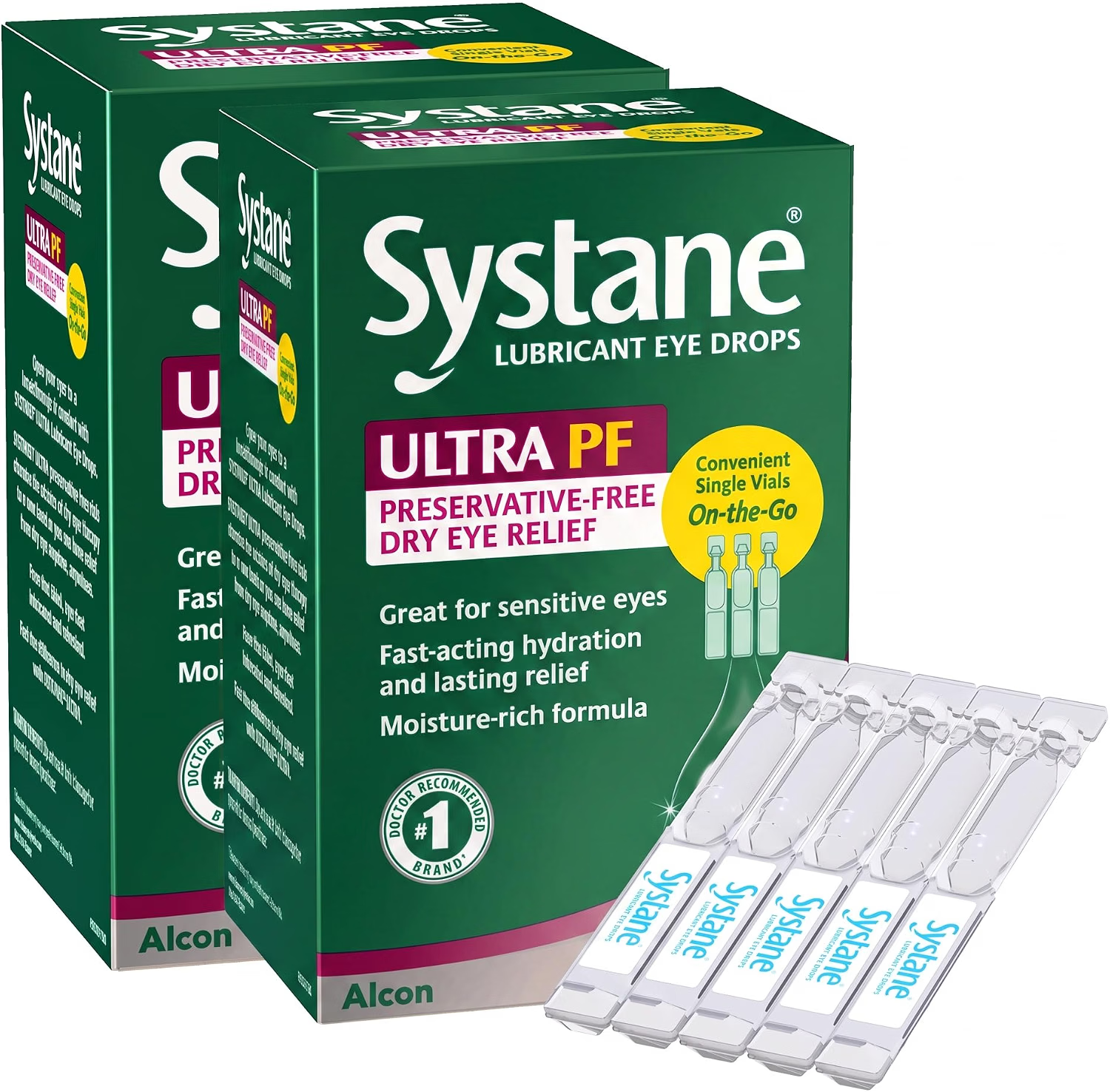
Preservative-Free Lubricating Eye Drops
Lubricating eye drops may help relieve temporary dryness and irritation. Ask your eye care professional which formula is appropriate for your eyes.
Check Price on Amazon → Follow the product instructions and your eye doctor’s advice.When Should You See an Eye Doctor?
Arrange an eye examination if you experience recurring morning redness, persistent irritation, excessive tearing, or a sensation that your upper eyelid is unusually loose.
Seek prompt medical attention if symptoms are worsening or do not respond to routine care.
Seek urgent or emergency eye care if you experience:
- Sudden loss or significant reduction of vision
- Severe eye pain
- A very red eye with light sensitivity
- A painful red eye while wearing contact lenses
- New corneal cloudiness or a visible injury
- Sudden flashes, many new floaters, or a curtain-like shadow
Do not assume that sudden changes are caused by FES.
Frequently Asked Questions
Is floppy eyelid syndrome serious?
It can become clinically significant if repeated eyelid eversion causes chronic inflammation or corneal damage. Early diagnosis and appropriate management can help reduce complications.
Can floppy eyelid syndrome affect only one eye?
Yes. It can affect one eye more noticeably than the other, although both eyes may be involved.
Why do my eyes feel irritated every morning?
Several conditions can cause morning irritation, including dry eye, blepharitis, allergies, and floppy eyelid syndrome. An examination is needed to identify the cause.
Is floppy eyelid syndrome linked to sleep apnea?
Yes. Research has found a significant association between FES and obstructive sleep apnea. People diagnosed with FES may benefit from discussing OSA screening with their healthcare professional.
Can floppy eyelid syndrome go away on its own?
It may persist without appropriate management. Treating associated conditions and protecting the eye surface can improve symptoms. Some people require surgical eyelid tightening.
Can sleeping on your side make floppy eyelid syndrome worse?
Sleeping on one side may increase pressure and friction on the eyelid against the pillow. Some people report more noticeable symptoms on their preferred sleeping side.
Conclusion: Morning Eye Irritation May Be More Than Just Dry Eye
Floppy eyelid syndrome is an often-overlooked cause of recurring eye redness, tearing, irritation, and discomfort that can be particularly noticeable after waking up.
Its symptoms may resemble ordinary dry eye or allergies, but the underlying problem is different: the upper eyelid has become unusually loose and may turn outward, exposing the eye to repeated irritation.
The association with obstructive sleep apnea makes the condition especially important to recognize. Persistent morning eye symptoms should not simply be accepted as a normal part of aging or poor sleep.
A comprehensive eye examination can help identify eyelid laxity, assess the cornea, and determine whether additional evaluation is needed.
If you repeatedly wake up with red, irritated eyes, ask your eye-care professional whether floppy eyelid syndrome could be contributing to your symptoms.
Protecting your eyelids is also part of protecting your vision.
A Note from the Founder
"I started CVT because eye health is personal to me. After losing sight in my left eye due to a childhood injury and managing high intraocular pressure for decades, I’ve dedicated my life to finding the best ways to protect the vision we have. Every piece of advice on this site is researched with that same level of care and responsibility. Thank you for being here."